
BPC-157 Peptide Therapy for Athletes: A Sports Medicine Approach to Recovery
In the high-stakes world of sports medicine and performance optimization, recovery is often the narrow bridge between consistent progression and chronic frustration. Many athletes and active professionals in Trinidad struggle with injuries that linger, or gut dysfunction that quietly drains their energy and performance. At EvoFitLab, we integrate evidence-informed physiotherapy with emerging strategies like BPC-157 peptide therapy for athletes to optimize the healing environment.
Understanding BPC-157: The Body Protection Compound
BPC-157 stands for Body Protection Compound-157. It is a peptide fragment derived from a protective protein naturally found in human gastric juices. Unlike traditional medications that might only mask pain, this peptide is being investigated for its potential to support the natural adaptive processes of the body.
Researchers have explored its role in tissue healing, muscle regeneration, and even nerve recovery. For the modern athlete, this represents a shift toward regenerative medicine where the goal is to repair the underlying structure rather than just suppressing a symptom.
The Science of Recovery: How BPC-157 Supports Healing
Recovery is a coordinated biological event involving inflammation, nutrient delivery, and tissue remodeling. When this cycle is disrupted by overtraining or poor nutrition, healing becomes delayed. Current sports science research suggests that BPC-157 peptide therapy for athletes may support these pathways through a process called angiogenesis.
Angiogenesis is the formation of new blood vessels. Because healthy blood flow delivers the oxygen and collagen-building materials needed for repair, improving this capacity can potentially speed up the recovery of damaged muscles and connective tissues. This mechanism is particularly vital for areas with naturally poor blood supply, such as tendons and ligaments.
Tendon, Ligament, and Muscle Repair Applications

Connective tissue injuries are notorious for their slow healing rates. BPC-157 has shown promise in supporting collagen organization and reducing downtime during intensive rehabilitation. Within our clinical practice, we often discuss these applications for common athletic issues:
- Achilles tendinopathy and patellar tendon issues.
- Rotator cuff injuries and chronic overuse strains.
- Hamstring tears and ligament sprains.
While the peptide provides a biological signal for repair, it must be paired with progressive loading. You can explore our Athletic Development services to see how we structure these loading protocols for long-term durability.
The Gut-Performance Connection and Gut Healing
One of the most unique aspects of BPC-157 is its relationship to the digestive system. Since the peptide originates from gastric proteins, oral administration is often used to support the gut lining. A healthy gut directly influences nutrient absorption, immune function, and systemic inflammation levels.
Athletes dealing with “leaky gut” or chronic gastrointestinal irritation often find that their overall recovery capacity is diminished. By addressing intestinal integrity, BPC-157 may help create a more stable environment for performance. For more insights into how nutrition impacts your game, check out our latest blog posts on performance fueling.
Foundations First: Why Lifestyle Still Matters
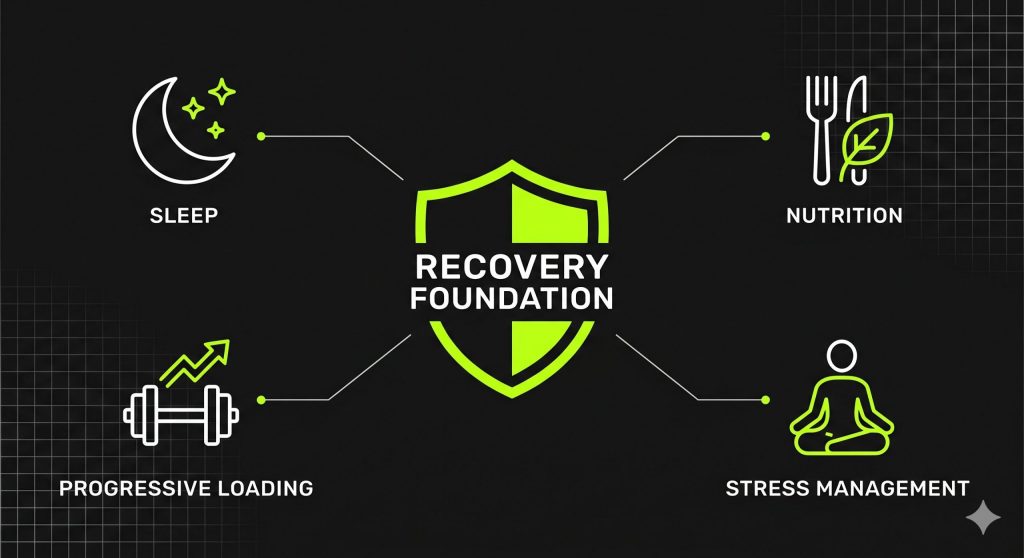
It is a major mistake to believe that any supplement or peptide can compensate for poor lifestyle habits. At EvoFitLab, we maintain that BPC-157 peptide therapy for athletes is a tool, not a shortcut. Your recovery foundation must always include:
- Sleep Optimization: This is where growth hormone release peaks and tissue repair occurs.
- Proper Nutrition: Healing tissues require adequate protein, vitamins, and minerals.
- Stress Management: Chronic stress elevates cortisol, which can negatively affect digestion and hormonal function.
Before considering advanced therapies, athletes should ensure their training load management and recovery basics are elite.
Conclusion
BPC-157 represents an exciting frontier in sports medicine, offering potential benefits for both soft tissue repair and gut health. However, outcomes vary based on the severity of the injury and the quality of the overall rehabilitation program. Always remember that peptide therapies should only be used under the supervision of a qualified healthcare professional.
Ready to stop the cycle of lingering injuries? Book a consult with Gerard Nicholas and the EvoFitLab team today.
Medical Disclaimer: This article is for educational purposes only and is not medical advice. Peptide therapy requires professional medical supervision.
Written by Gerard Nicholas, CSCS