
For years, cardiovascular fitness has been promoted as the gold standard for health and longevity. Running, cycling, swimming, and other forms of aerobic exercise provide tremendous benefits for heart health, endurance, and overall wellness.
However, modern sports science and health research continue to reveal something equally important: muscle strength and longevity are closely connected.
At EvoFitLab, we believe strength is one of the most powerful investments a person can make in both present performance and future quality of life.
The more muscle a person has, the easier life can become.
That statement goes far beyond athletic performance or physical appearance. Muscle influences movement efficiency, metabolism, injury prevention, posture, balance, independence, glucose control, and recovery from illness or inactivity.
When individuals maintain strength and lean muscle throughout life, they improve their ability to function physically and remain active as they age.
Muscle Is More Than Appearance
Many people still associate muscle building with bodybuilding aesthetics or elite sports performance. In reality, healthy muscle tissue plays a vital role in survival, movement, and long-term health.
Lean muscle acts as a metabolic engine. The healthier and more active a person’s muscle tissue is, the better the body can regulate blood sugar, use nutrients efficiently, and maintain physical capacity.
This matters because poor glucose control and insulin resistance contribute to several health concerns, including:
- Type 2 diabetes
- Obesity
- Cardiovascular disease
- Chronic inflammation
- Fatigue and reduced energy
- Accelerated physical decline
Muscle helps the body manage these challenges.
One of its most important roles is the ability to absorb and store glucose. After a person eats carbohydrates, muscle tissue helps remove glucose from the bloodstream and stores it as glycogen for future energy use.
Research on the role of skeletal muscle in glucose regulation explains why muscle is a major site of glucose uptake and why muscle health matters for insulin sensitivity.
Simply put, more active muscle tissue often supports better glucose control.
For a closer look at how resistance training creates muscle adaptation, read EvoFitLab’s Mechanical Tension for Muscle Growth guide.
How Muscle Strength and Longevity Are Connected
Research consistently shows that individuals with higher levels of muscular strength tend to have better long-term health outcomes.
A large meta-analysis on muscular strength and mortality found that higher grip strength was associated with a lower risk of all-cause mortality. Grip strength does not represent every aspect of physical health, but it can provide useful insight into overall strength and physical capacity.
Strength is not only about lifting heavier weights. It reflects the body’s overall resilience.
A stronger body is generally:
- More resistant to injury
- More stable and balanced
- Better equipped to handle physical stress
- More capable of maintaining mobility with age
- More metabolically efficient
- Better able to recover from illness and inactivity
As people age, muscle mass and strength can gradually decline through a process called sarcopenia.
The European consensus on sarcopenia identifies low muscle strength as a key feature of the condition because strength loss strongly affects physical function.
Without appropriate resistance training, nutrition, and recovery, age-related muscle loss can contribute to:
- Reduced mobility
- Increased fall risk
- Poor balance
- Joint instability
- Reduced independence
- Lower quality of life
For this reason, strength training should not be viewed as optional. It is a central part of protecting muscle strength and longevity.
The EvoFitLab Longevity Training Guide provides a broader framework for combining strength, movement, and nutrition throughout the aging process.
Everyday Life Depends on Strength
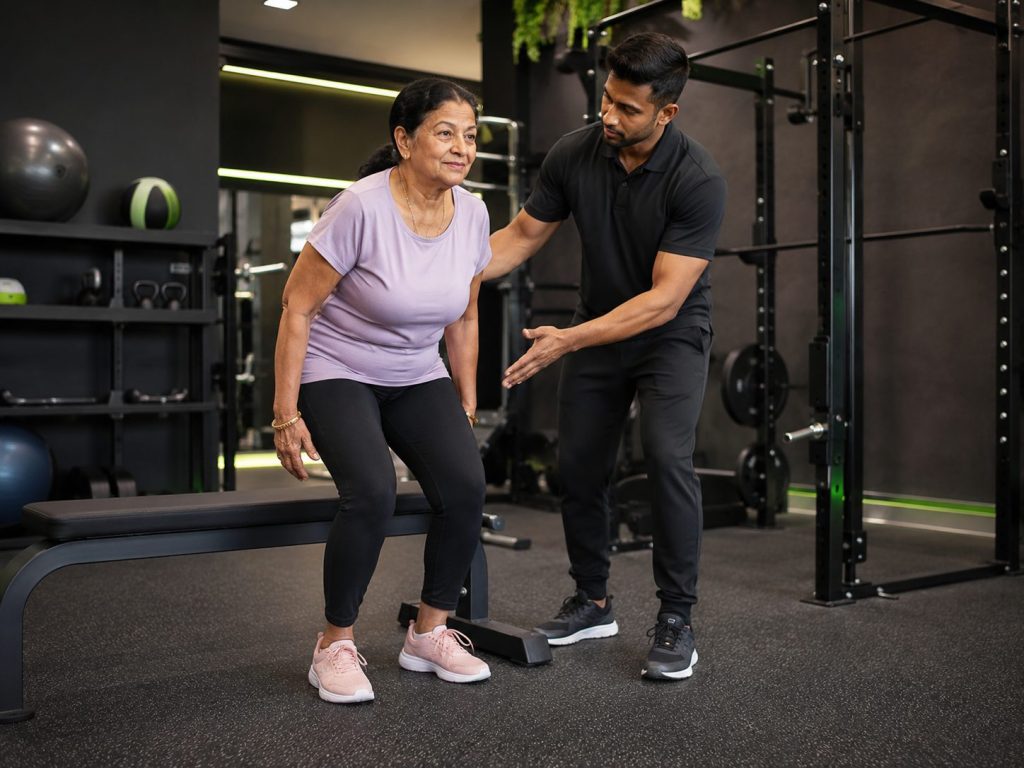
Strength improves far more than athletic performance. It improves everyday function.
Simple daily tasks such as the following all depend on muscular strength and endurance:
- Carrying groceries
- Climbing stairs
- Picking up children
- Walking longer distances
- Standing from a seated position
- Maintaining posture during work
- Recovering balance and preventing falls
People who maintain strength as they age often preserve their independence for longer.
This becomes critically important for healthy aging. A person who can move confidently, stabilize their joints, and maintain balance is more likely to remain active and self-sufficient later in life.
The World Health Organization recommends that adults include muscle-strengthening activities involving the major muscle groups as part of a complete physical activity routine.
Strength does not need to mean maximal lifting. It can include:
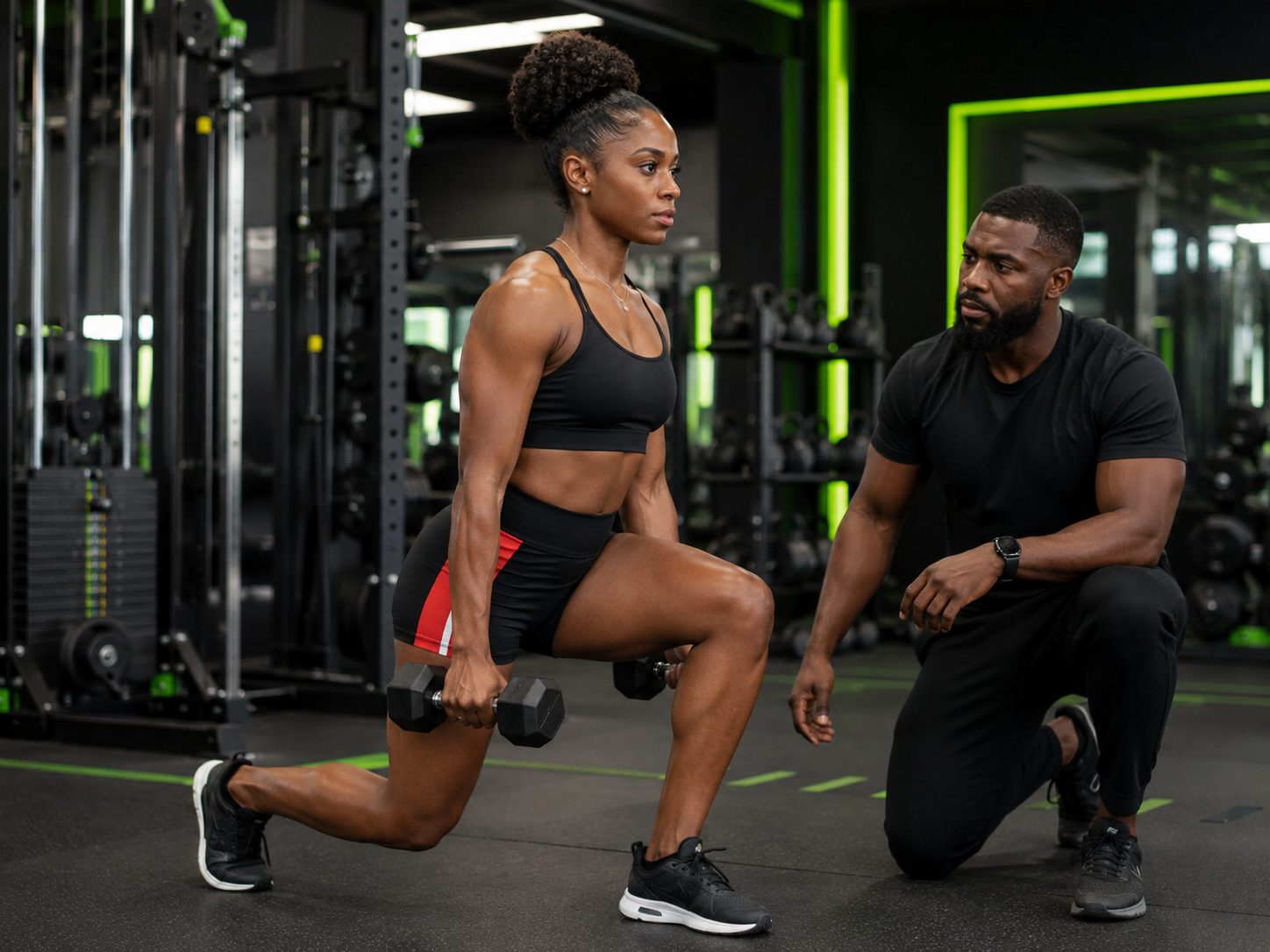
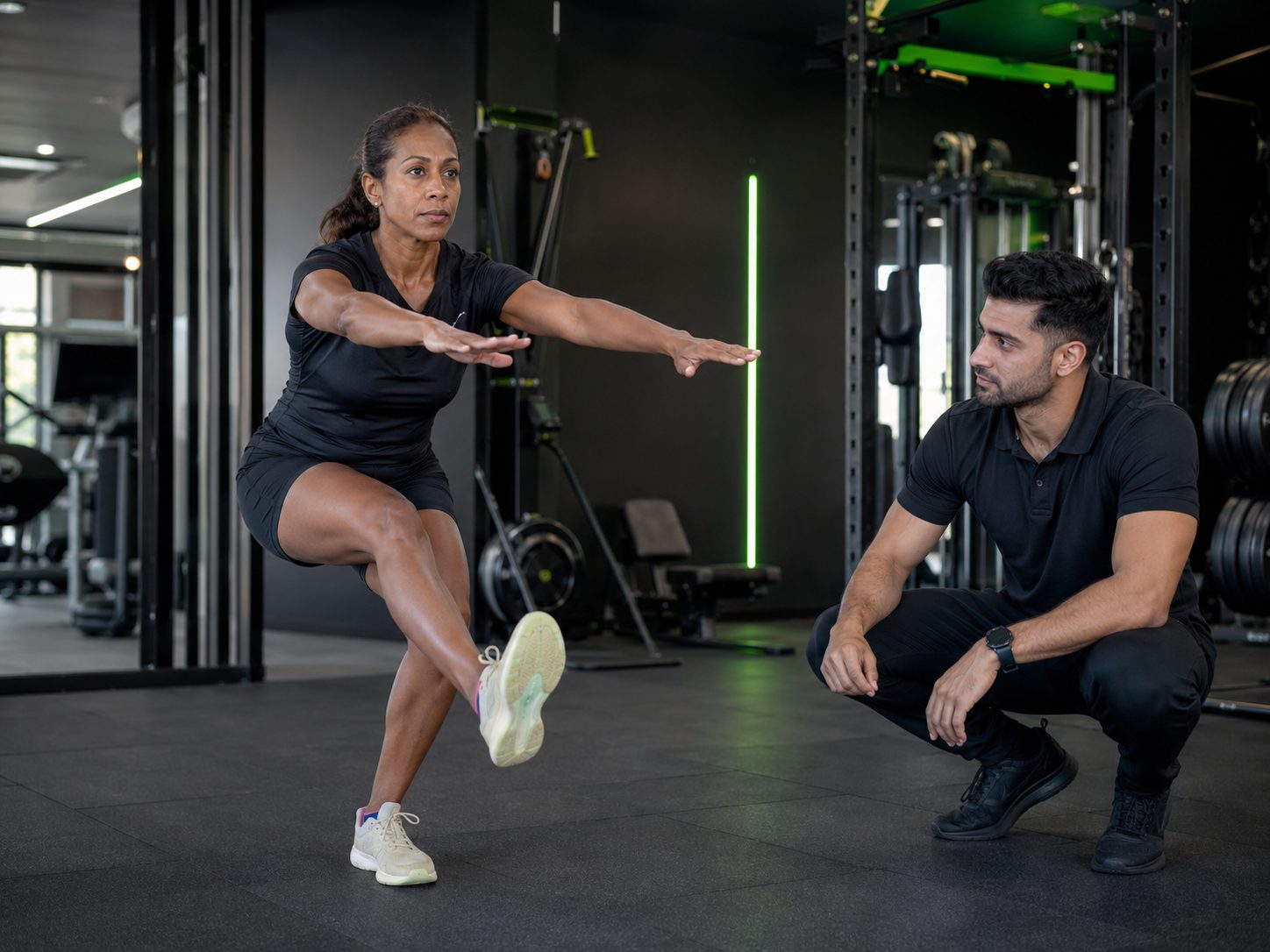
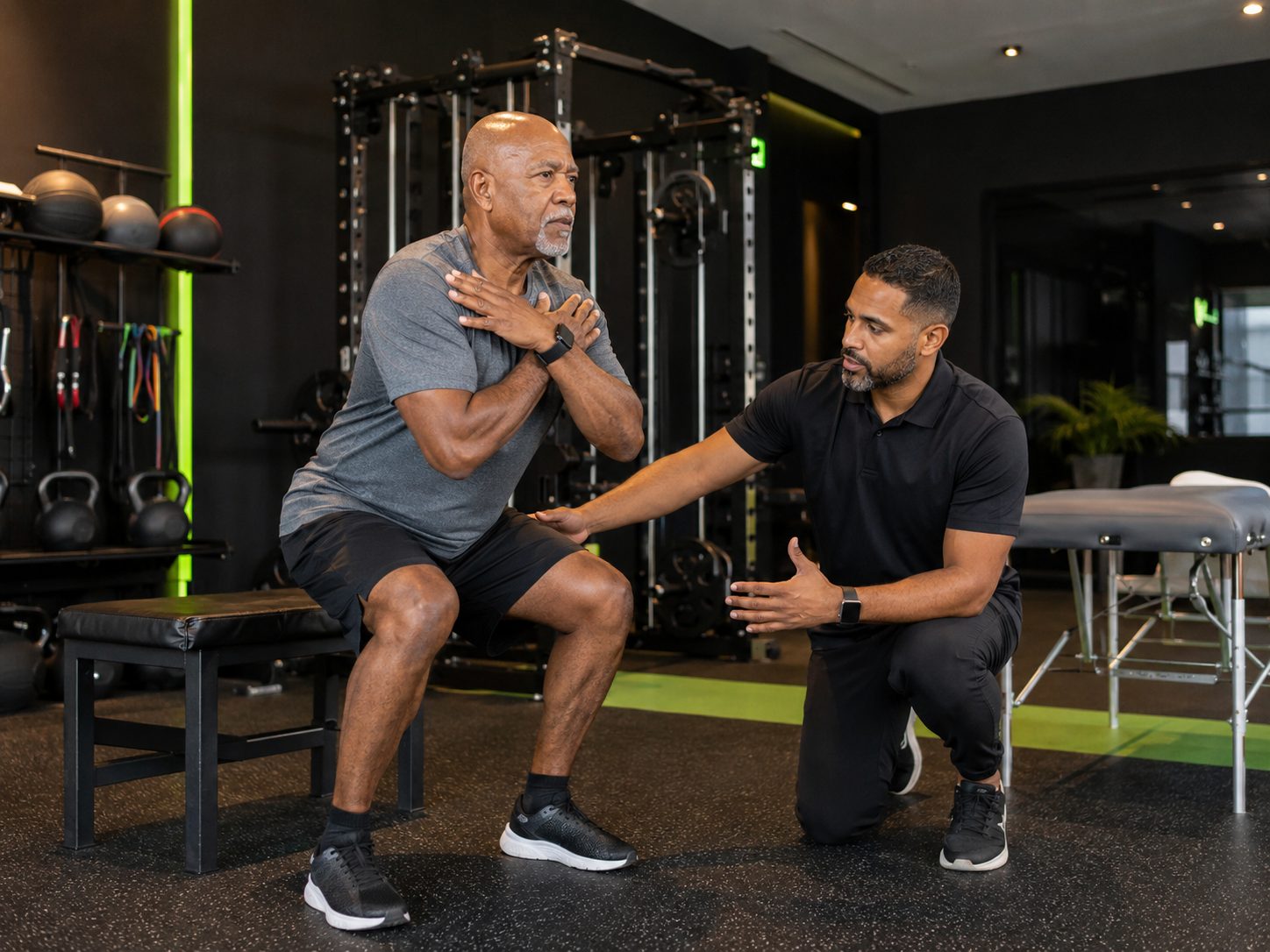
- Controlled squats or sit-to-stands
- Rows and pulling exercises
- Pressing movements
- Step-ups
- Loaded carries
- Hip hinges
- Resistance-band exercises
- Appropriate bodyweight training
The goal is to challenge the muscles safely and progressively.
Strength, Movement Quality, and Injury Prevention
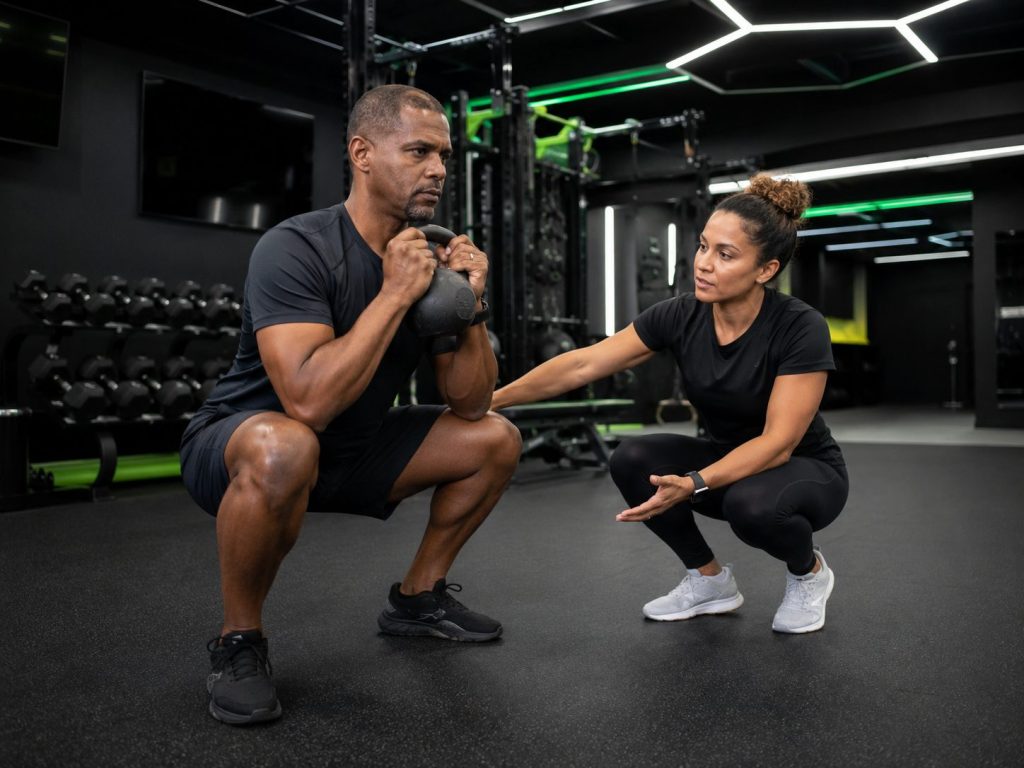
Muscle also acts as the body’s protective armour.
Strong muscles help stabilize joints, absorb force efficiently, and reduce unnecessary stress on ligaments and tendons.
Weakness and muscular imbalances can contribute to:
- Knee pain
- Lower-back pain
- Shoulder dysfunction
- Poor posture
- Movement compensations
- Sports injuries
At EvoFitLab, our training philosophy combines strength development with movement quality.
It is not enough to simply lift weights. Training must also improve:
- Mobility
- Stability
- Coordination
- Speed
- Power
- Recovery
- Functional movement efficiency
This integrated approach helps individuals move better while reducing unnecessary stress on the body.
For example, better trunk and pelvic control can improve how force travels through the body during lifting and daily movement. EvoFitLab’s Core Stability guide explains how full-body stability supports posture, balance, strength, and movement efficiency.
Muscle strength and longevity depend on more than how much weight a person can lift. They also depend on whether that strength can be expressed with control.
Strength Training and Athletic Performance
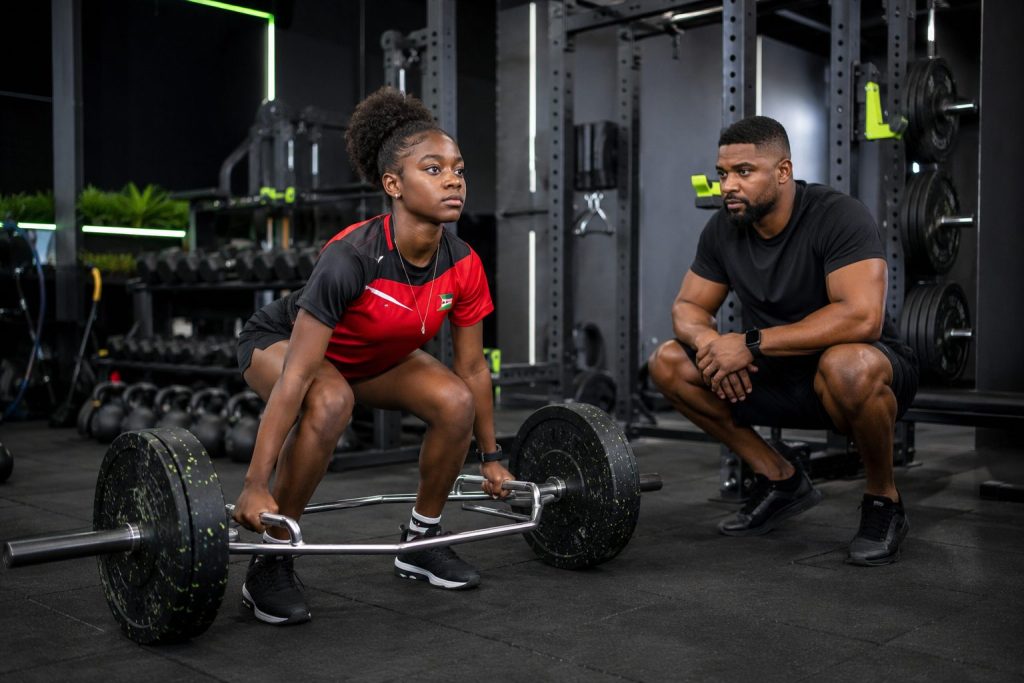
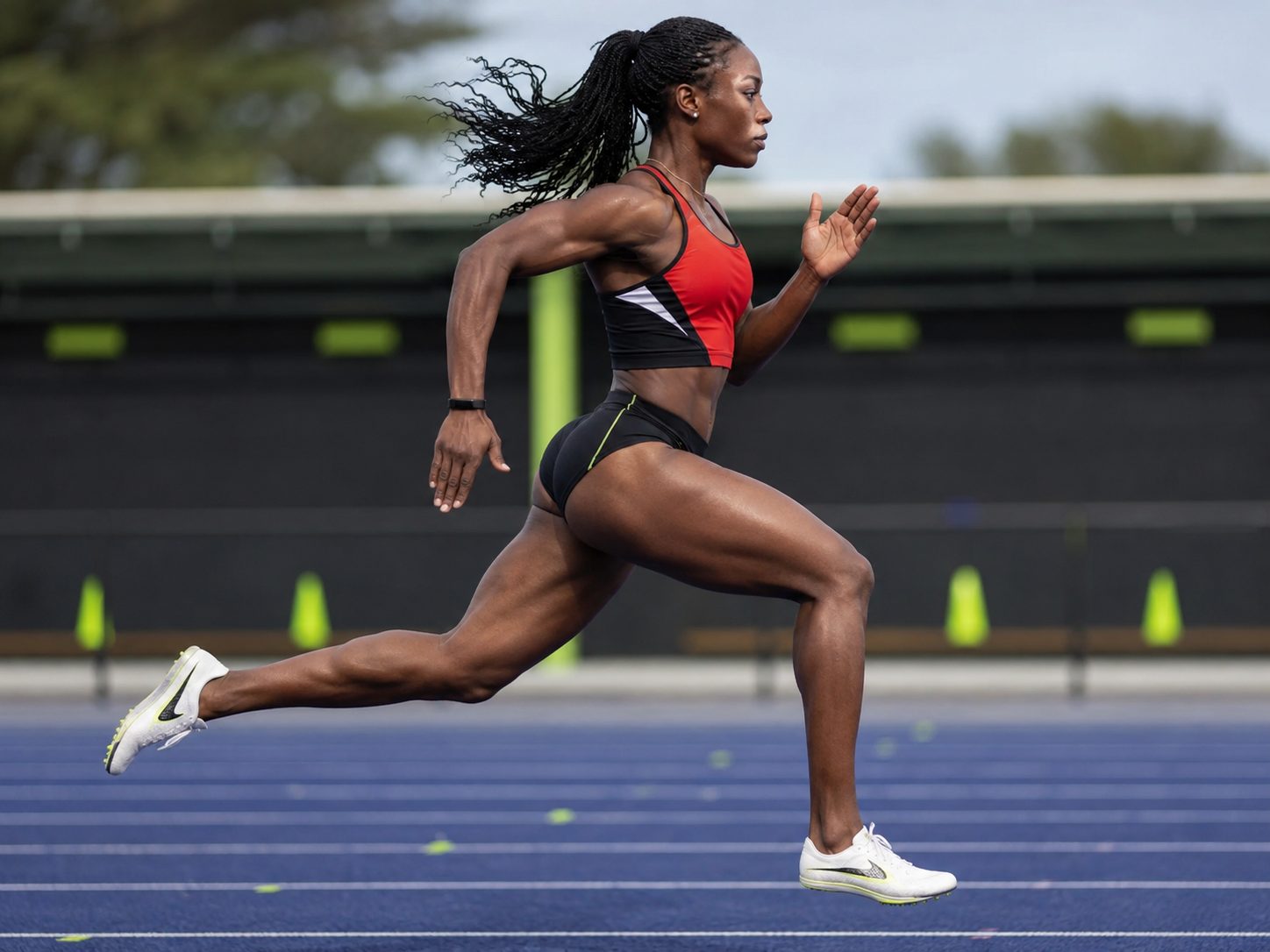
For athletes, strength development forms the foundation for speed, explosiveness, and resilience.
A stronger athlete can typically:
- Produce more force
- Sprint faster
- Change direction more efficiently
- Jump higher
- Maintain power output for longer
- Reduce fatigue during competition
- Recover more effectively
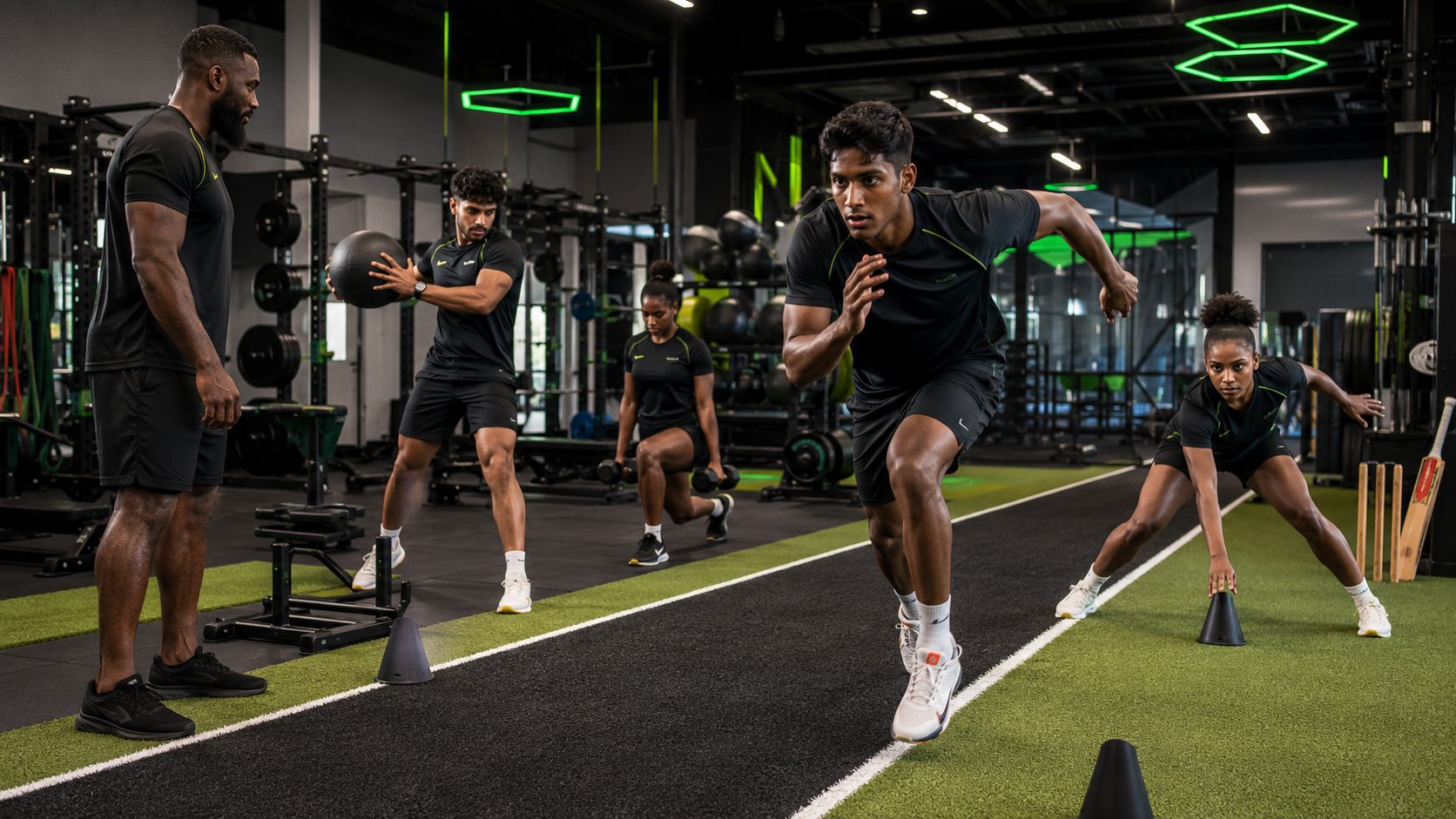
At EvoFitLab, we combine:
- Strength and conditioning
- Speed development
- Sports science
- Physiotherapy
- Recovery strategies
- Performance nutrition
The goal is to help athletes improve both performance and durability.
However, strength training must remain purposeful. Simply adding more weight does not guarantee better performance. Exercises, loads, recovery periods, and training volume must match the athlete’s sport, experience, movement quality, and goals.
The EvoFitLab Fitness Periodization Guide explains how structured training phases can develop muscle and strength without relying on random workouts.
Nutrition and the EvoFitLab Approach
Muscle growth and recovery require proper nutrition. Resistance training alone is not enough.
The body also needs:
- Adequate protein intake
- Proper hydration
- Balanced carbohydrate intake
- Healthy fats
- Micronutrients that support recovery and tissue repair
- Sufficient total energy
Poor nutrition limits recovery, slows adaptation, and negatively affects energy production.
At EvoFitLab, we educate individuals on practical nutritional strategies that support both health and performance.
We also believe exercise should be purposeful, evidence-informed, and individualized.
Our approach helps individuals:
- Build lean muscle safely
- Improve movement efficiency
- Enhance athletic performance
- Reduce injury risk
- Improve metabolic health
- Recover effectively
- Develop long-term healthy habits
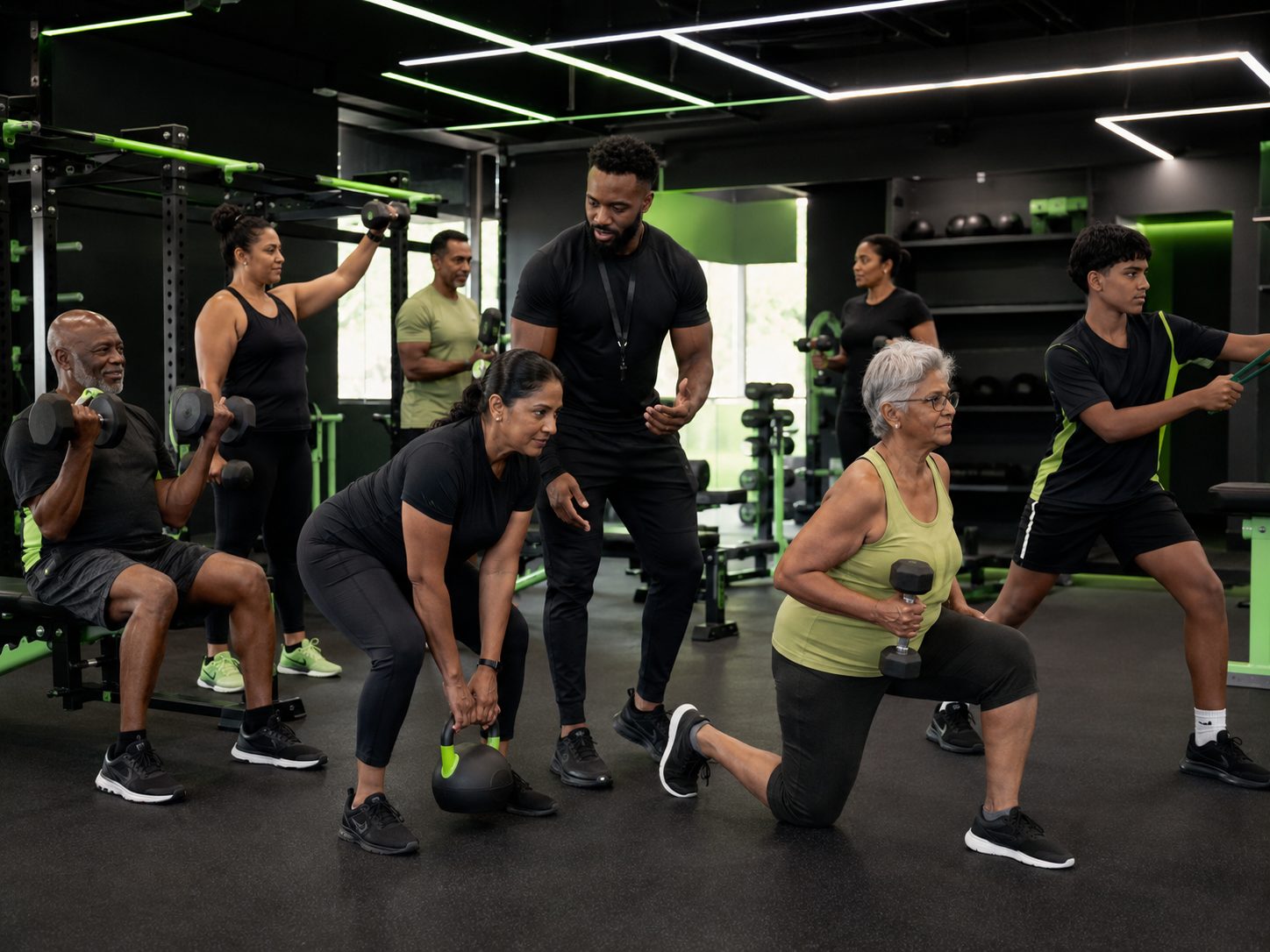
Whether you are an athlete, professional, older adult, or someone beginning your fitness journey, strength training can improve your health, performance, and quality of life.
People with significant joint pain, balance problems, cardiovascular conditions, uncontrolled blood pressure, or other medical concerns should seek appropriate professional guidance before beginning an intensive strength program.
Conclusion
Longevity is not simply about surviving for more years. It is about maintaining quality of life throughout those years.
Healthy aging should mean:
- Moving without unnecessary pain
- Maintaining independence
- Staying active with family
- Preserving energy and vitality
- Remaining physically capable throughout life
This is where muscle strength and longevity become inseparable.
The goal is not perfection. The goal is resilience.
Every training session, healthy meal, recovery habit, and movement improvement contributes to a stronger future.
Your future body is being shaped by the habits you practise today.
Invest in your strength. Invest in your muscle. Invest in your movement. Invest in your longevity.
Written by Gerard Nicholas, CSCS, BSc Sports Science, Physiotherapist
EvoFitLab
LP14 Pentecostal Road, Tunapuna
Mobile: 305-5482
Email: info@evofitlab.com
Website: https://evofitlab.com