


For years, creatine has been recognized as one of the safest and most researched supplements for improving muscle strength, power, recovery, and athletic performance.
More recently, researchers have been exploring another fascinating area: its potential role in supporting brain health and cognitive function.
One area gaining increasing attention is the relationship between creatine and women’s hormonal health. Recent reviews have examined how female physiology, hormonal changes, and different stages of life may influence creatine metabolism and supplementation outcomes.
The Estrogen-Creatine Connection

The brain has a high and continuous demand for energy. Creatine helps recycle cellular energy, known as adenosine triphosphate or ATP, allowing both muscle and brain cells to function efficiently.
Emerging research suggests that estrogen may influence creatine metabolism and brain creatine levels. During the menstrual cycle, estrogen levels fluctuate significantly.
During the late luteal phase, in the days before menstruation, estrogen levels begin to decline. Researchers are investigating whether these hormonal changes may affect brain energy availability in susceptible individuals.
One brain-imaging study found that prefrontal creatine levels changed across different phases of the menstrual cycle. However, this does not yet establish that creatine supplementation prevents premenstrual cognitive symptoms.
Many women report symptoms during this phase, including:
- Mental fatigue
- Brain fog
- Difficulty concentrating
- Irritability
- Reduced motivation
- Feeling mentally “slower”
These symptoms can have several contributing factors. However, researchers are investigating whether creatine supplementation may help support brain energy during periods of hormonal change.
Beyond Muscle Performance
Most people associate creatine with athletes, resistance training, and muscle development.
Creatine supports the rapid recycling of cellular energy, which is one reason it has become widely used within strength and conditioning. For more on the training stimulus behind muscular adaptation, read EvoFitLab’s guide to mechanical tension for muscle growth.
However, ongoing research is also examining potential benefits for:
- Cognitive performance
- Memory and learning
- Mental fatigue
- Mood support
- Recovery from intense training
- Healthy aging
A 2024 systematic review and meta-analysis found potential cognitive benefits from creatine supplementation, with subgroup findings suggesting that women may experience benefits in some areas. However, the results varied across cognitive outcomes, and more targeted research is still needed.
Earlier reviews have also reported possible improvements in memory and reasoning under certain conditions, while other studies have found little or no cognitive benefit in healthy, non-sleep-deprived adults. Therefore, the evidence is promising but not conclusive.
What Does This Mean for Active Women?

For women who train regularly, balancing physical performance with hormonal fluctuations can sometimes be challenging.
Maintaining adequate creatine stores throughout the menstrual cycle may provide benefits beyond the gym by supporting:
- Training quality
- Muscle recovery
- Brain energy
- Focus
- Mental resilience
Research supports creatine’s role in women’s strength and exercise performance. However, evidence directly showing that creatine reduces brain fog or other cognitive symptoms during a specific menstrual-cycle phase remains limited.
It is important to emphasize that creatine is not a treatment for premenstrual symptoms, nor should it replace medical advice.
However, creatine monohydrate remains one of the most evidence-supported supplements available for exercise performance, with emerging research expanding our understanding of its possible applications for brain health and women’s health.
Women who are also working toward improved strength, muscle development, or long-term physical capacity can explore additional training and nutrition articles on the EvoFitLab Blog.
Practical Advice
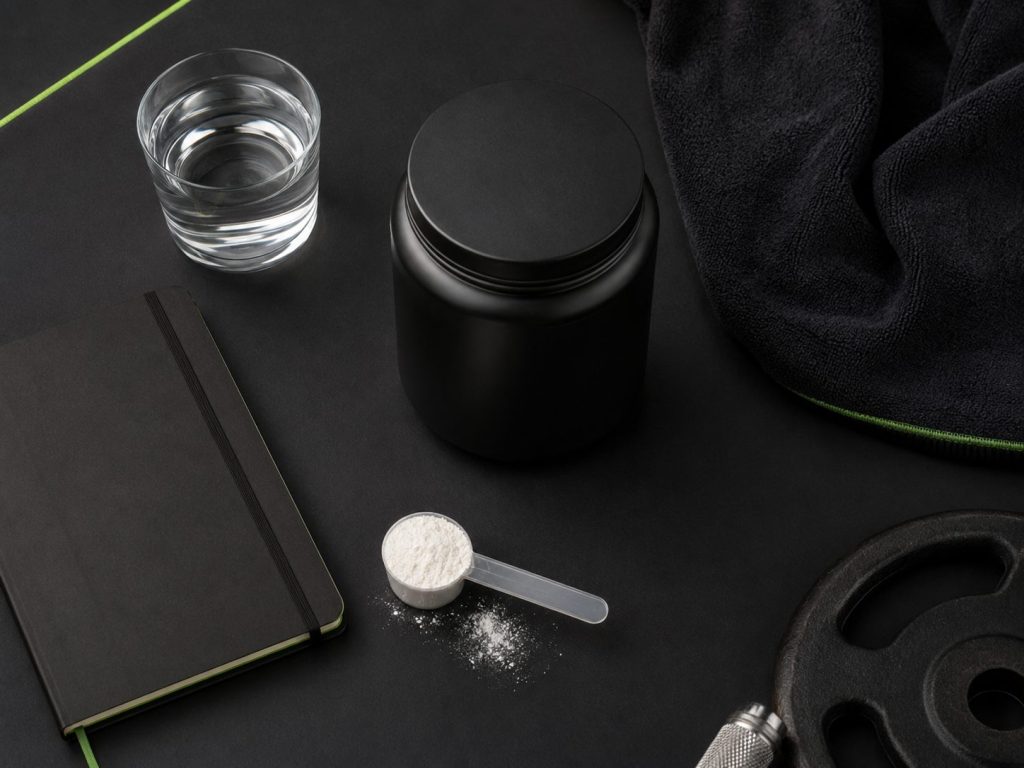
Consider the following points if you are interested in creatine supplementation:
- Choose a high-quality creatine monohydrate product.
- A typical maintenance dose is 3 to 5 grams daily.
- Consistency is generally more important than the exact time of day.
- Maintain adequate daily hydration.
- Consult a qualified healthcare professional if you have kidney disease, are pregnant or breastfeeding, take prescription medication, or have other medical concerns.
Creatine monohydrate is the form supported by the largest body of research. Major scientific reviews and position statements also support its effectiveness and general safety in healthy individuals when used appropriately.
Individual responses can vary. Supplementation should also support, not replace, a strong foundation of balanced nutrition, sleep, hydration, recovery, and structured training.
At EvoFitLab, we combine sports science, strength and conditioning, rehabilitation, and practical nutrition strategies to support each individual’s performance goals. Learn more about the available EvoFitLab services.
Conclusion
As research continues to evolve, the connection between women’s hormones, brain health, and creatine is worth watching.
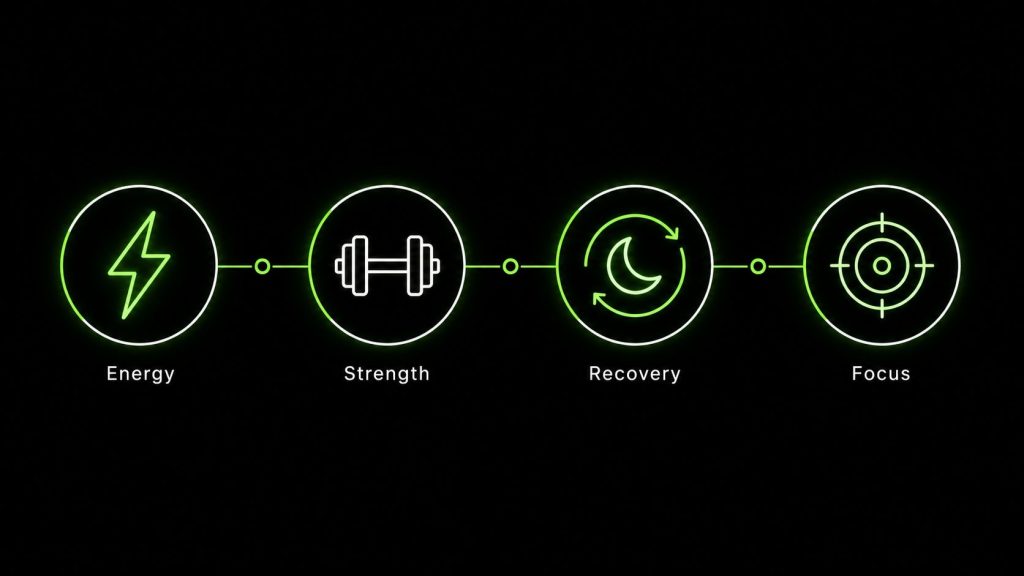
Creatine is already well-established for supporting strength, power, training, and recovery. Its potential role in supporting brain energy and cognitive function, particularly during hormonal changes, represents an exciting area of research.
However, it should not be presented as a treatment for menstrual-cycle symptoms. More direct research involving women across clearly measured menstrual-cycle phases is still needed.
At EvoFitLab, we remain committed to translating the latest sports science into practical strategies that help athletes and active individuals perform at their best.
Gerard Nicholas, CSCS
BSc Sports Science
Physiotherapist
EvoFitLab
LP14 Pentecostal Road, Tunapuna
Mobile: 305-5482
Email: info@evofitlab.com
Website: www.evofitlab.com