
A Person, Not a Scan
When I first looked at his X-rays and MRI findings, I understood why that recommendation may have been made. The images appeared concerning. But I reminded myself of one of the most important principles in healthcare:
We do not treat X-rays or MRIs. We treat people, people with symptoms, goals, fears, abilities, and lives.
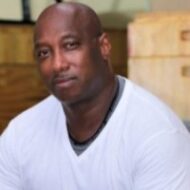
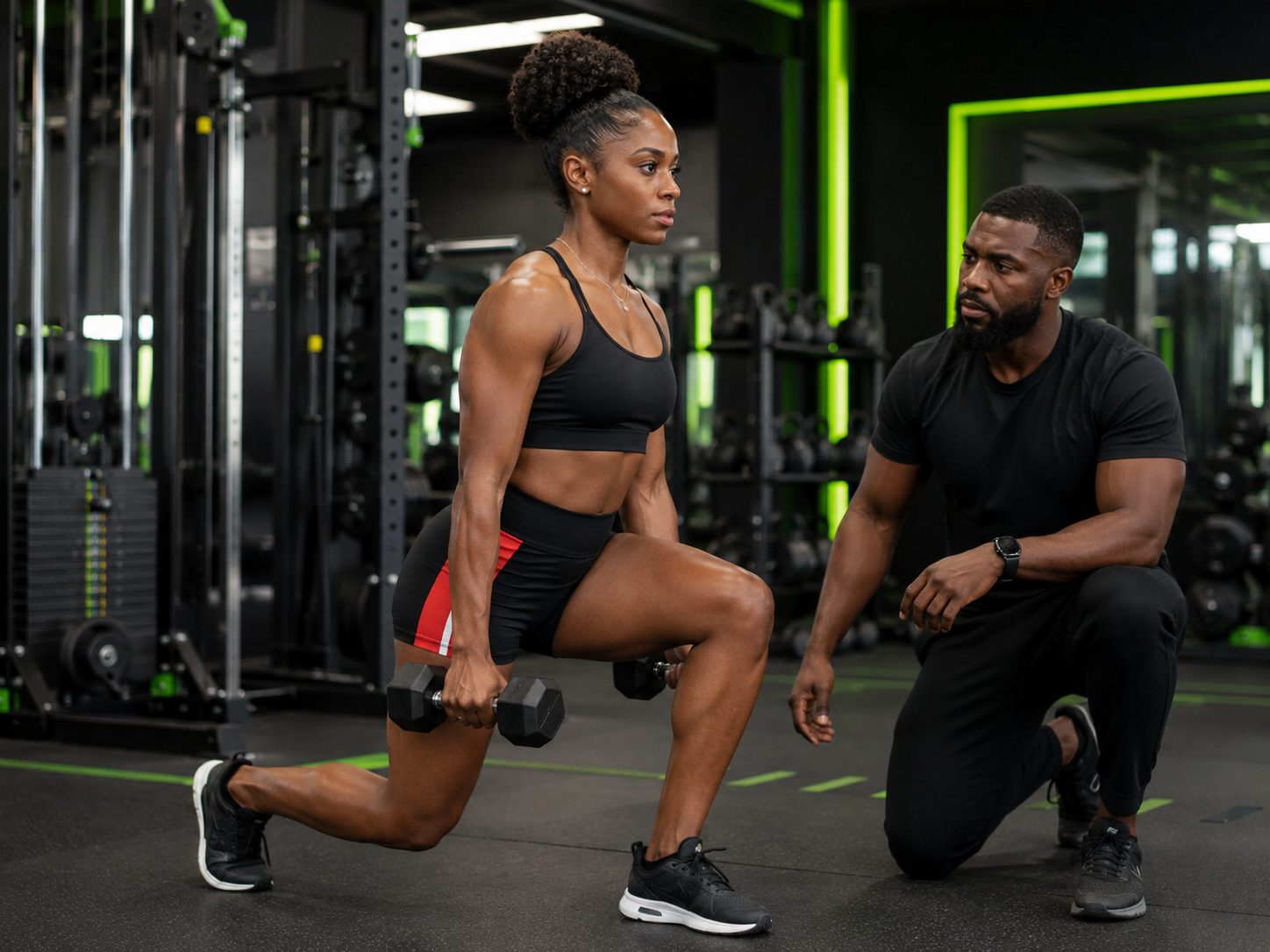
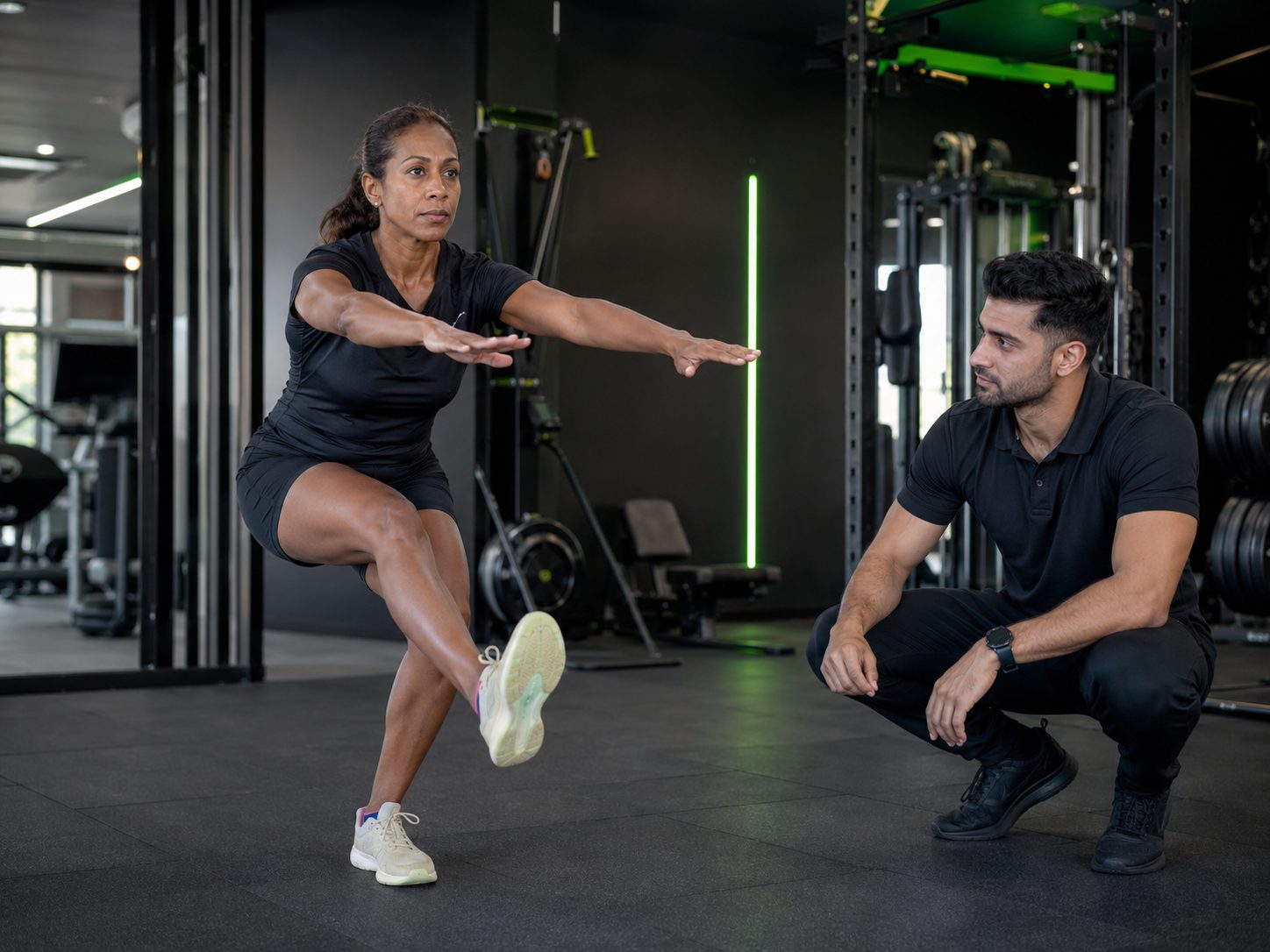
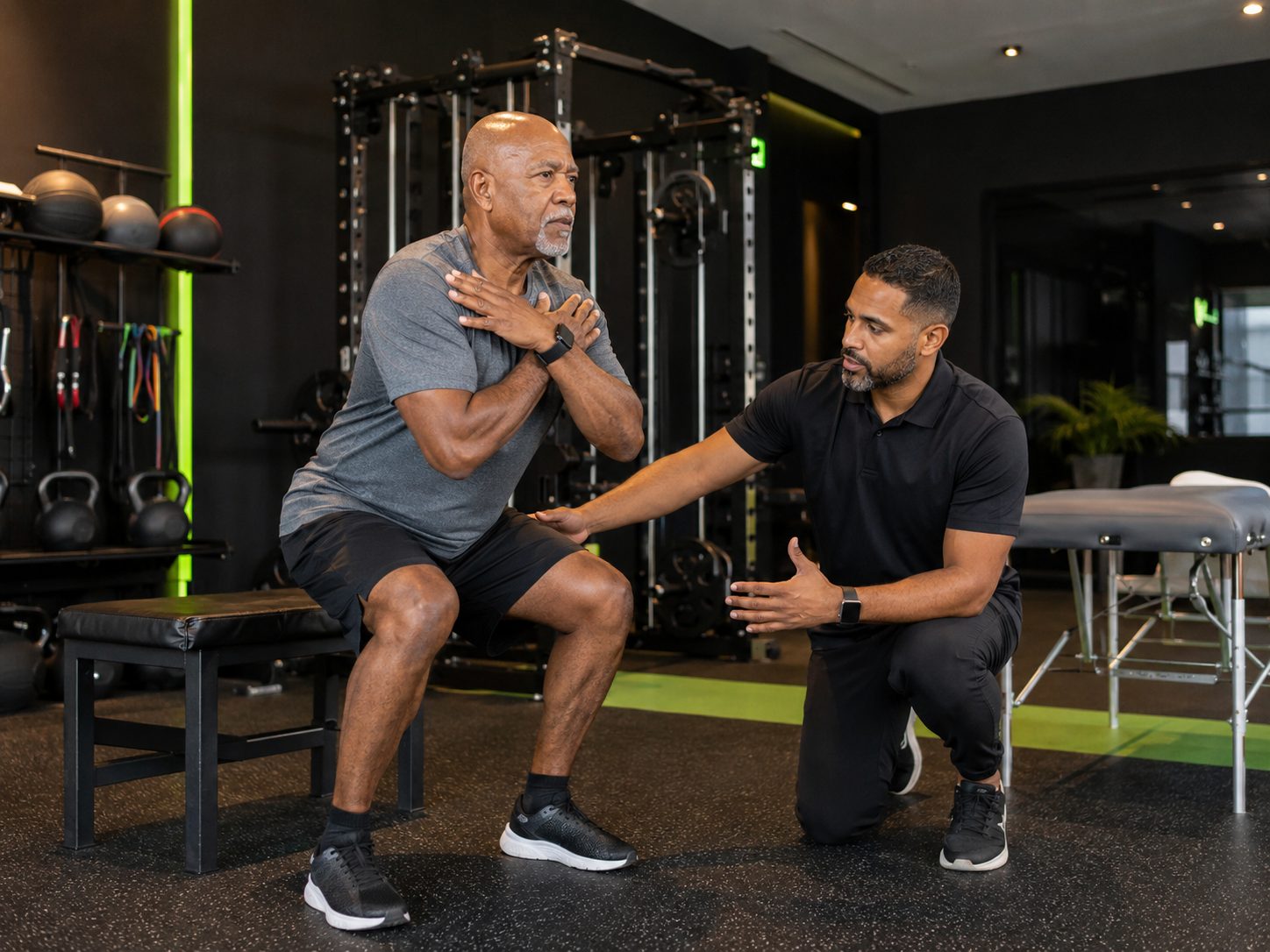
At EvoFitLab, we carried out a complete functional assessment. We looked beyond the images and focused on the individual in front of us.
What stood out immediately was not what the scans showed. It was what the gentleman could do.
What the Movement Showed
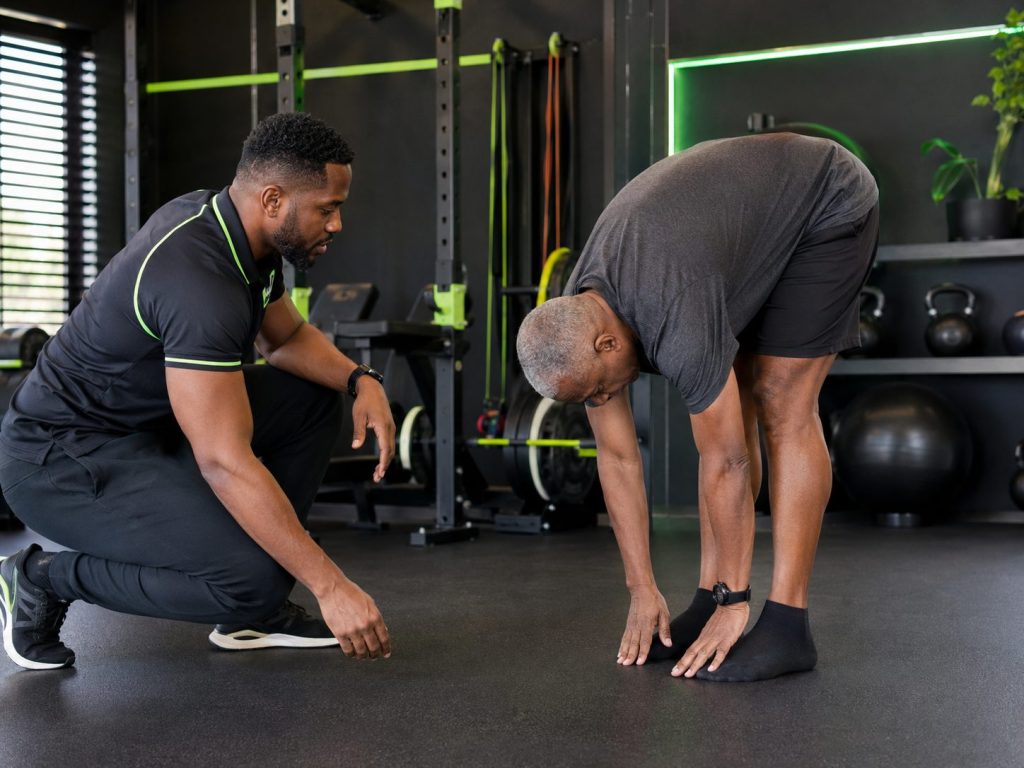
There was no significant pain. No hesitation. No fear of movement.
I asked him to bend forward and touch his toes. He did it comfortably. His movement was calm, natural, and unforced. There was no struggle, no guarding, and no sign that his body was unable to perform the task.
He shared that he had undergone one surgery many years ago, but apart from that, he had lived his life without major medical interventions.
I asked whether the surgeons who recommended knee replacement had physically examined his knees. He explained that he had spoken with multiple surgeons, but the experience was similar. The decision was largely based on imaging rather than a complete functional assessment.
As I continued evaluating him, there was nothing that suggested he urgently needed to be “fixed” surgically. Instead, what I saw was someone who needed something many people neglect:
care, strength, mobility, and attention.
The Bigger Story Behind the Body
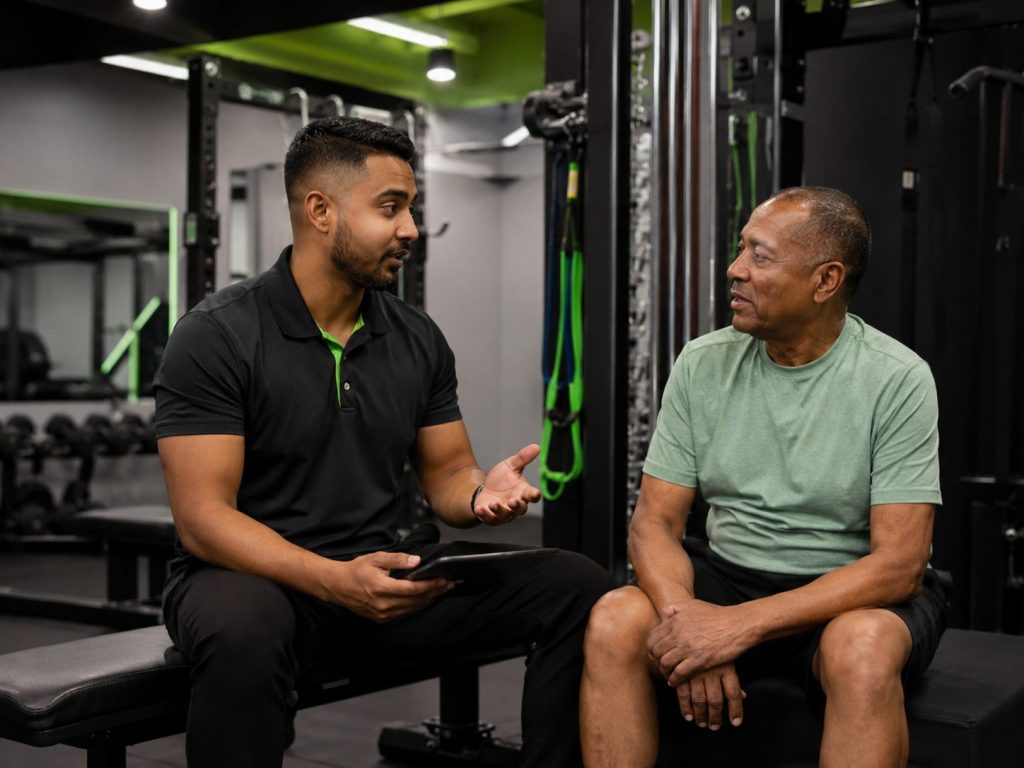
During our conversation, he quietly shared something that many people can relate to. He had spent a lifetime taking care of everyone else while neglecting himself.
This is a story I hear often, especially in our Trinidadian community. Many people spend decades serving family, working hard, and carrying responsibilities while putting their own health last.
His solution was not more force. It was not fear. It was not rushing into a procedure.
His next step was to rebuild his body through intelligent movement, progressive strengthening, mobility work, and consistent self-care.
Effort Creates Progress. Force Creates Damage.
What also stayed with me was the contrast between generations.
I often see younger athletes and adults forcing movements, pushing through squats, bends, and exercises with tension in their faces, holding their breath, and trying to prove something.
But this gentleman reminded me of a deeper lesson:
Effort creates progress. Force creates damage.
This applies not only to movement, but to life.
The goal of training and rehabilitation is not simply to overcome the body. It is to understand it, respect it, and help it become stronger.
The EvoFitLab Position
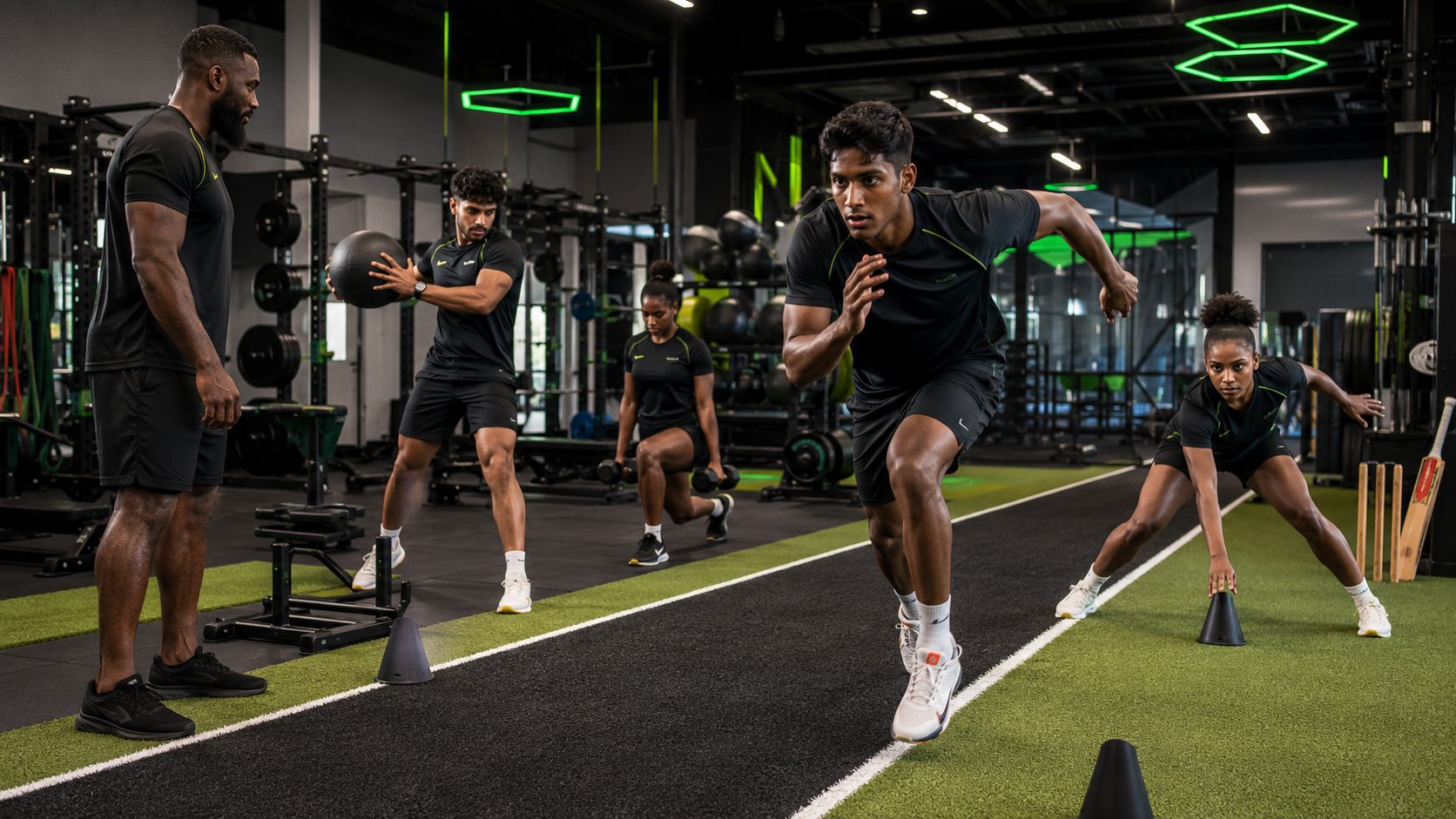
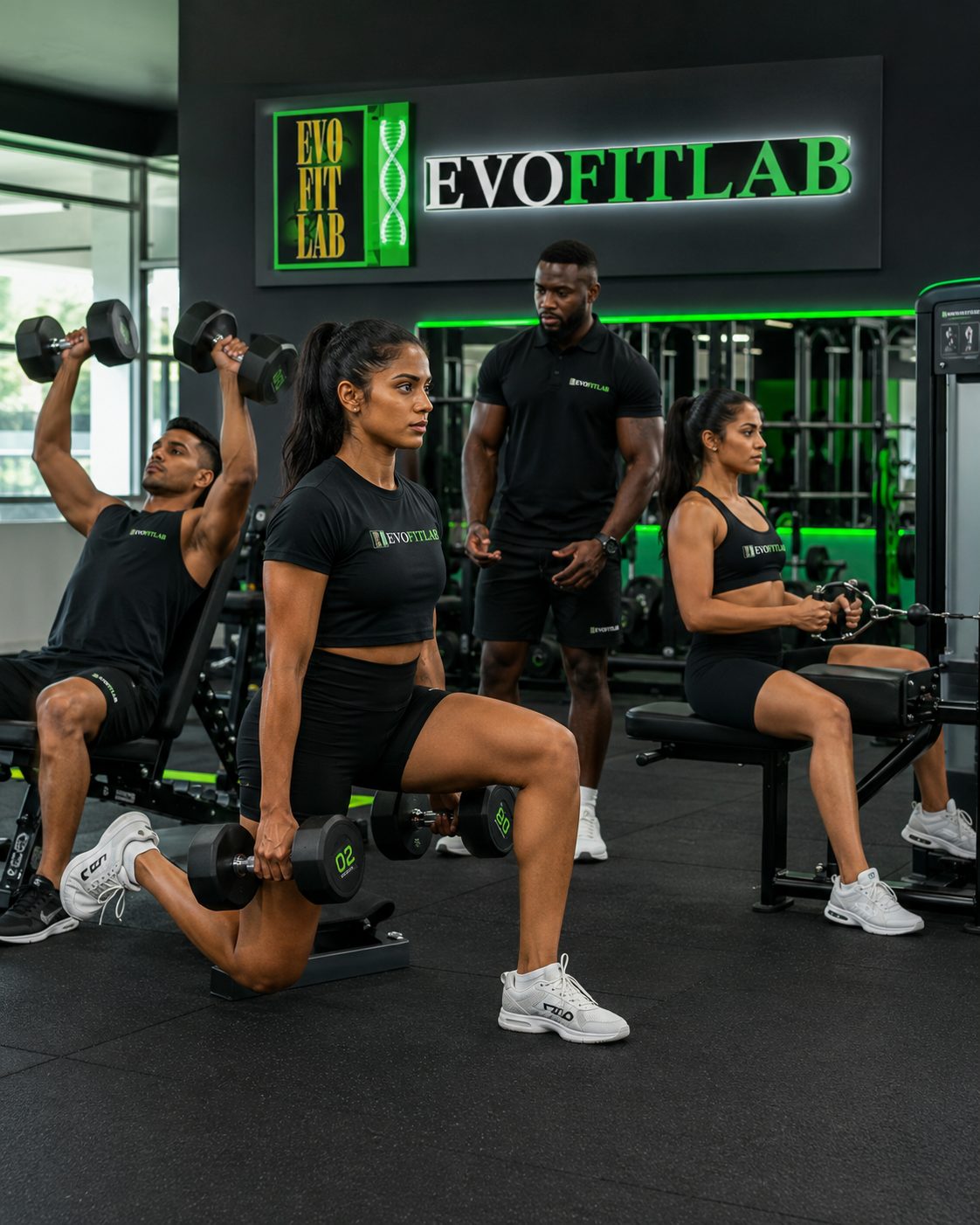
At EvoFitLab, our mission is to assess the whole person: movement, strength, mobility, lifestyle, and goals, because every body tells a story beyond the scan.
Gerard Nicholas, CSCS, BSc Sports Science Physiotherapist
EvoFitLab
LP14 Pentecostal Road, Tunapuna
Mobile: 305-5482
Email: info@evofitlab.com
Website: www.evofitlab.com