
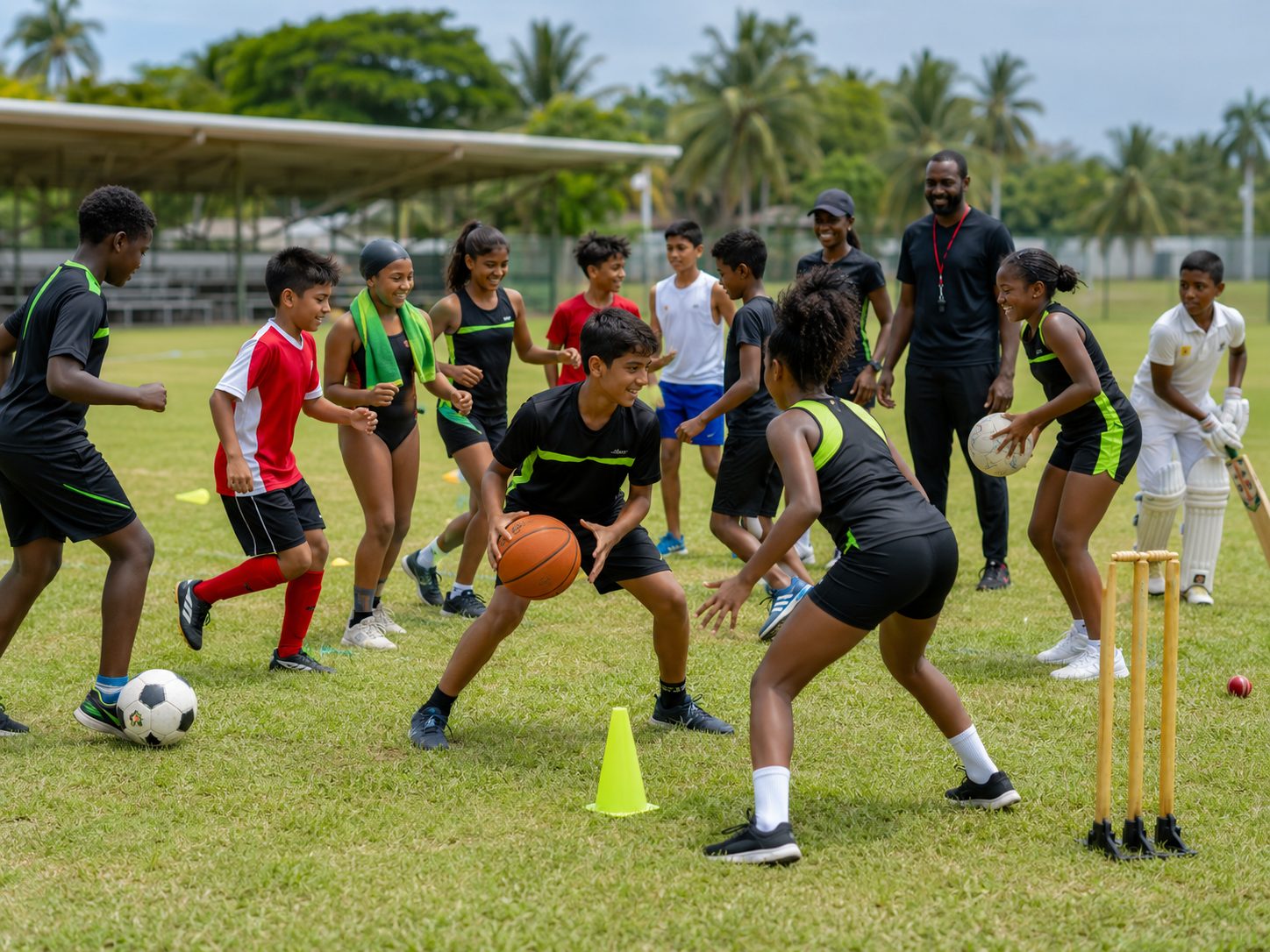
Ask a child why they want to participate in sports, and the answers are usually simple.
They want to have fun.
They want to play with their friends.
They want to compete and enjoy the game.
It is that straightforward.
Now, ask a parent the same question, and the answers become much more complicated. Some hope for scholarships. Others dream about elite performance, character development, discipline, or future opportunities.
None of these goals are wrong. However, sometimes we become so focused on the end result that we forget why children fell in love with sports in the first place.
Kids simply want to play.
As coaches, parents, and educators, we must never underestimate the importance of play.
Play is not a distraction from development. It is development.
The Science Behind Play and the Purpose of Youth Sports
Research consistently shows that children benefit when they are engaged, challenged, active, and enjoying the experience.
Through sports, children can develop physically, emotionally, socially, and mentally. Reviews of youth sport participation have linked involvement in sport with benefits such as improved self-esteem, social interaction, confidence, and psychological well-being.
Sports can improve:
- Strength, speed, coordination, and athleticism
- Cardiovascular health and physical fitness
- Confidence and self-esteem
- Communication and teamwork skills
- Problem-solving and decision-making abilities
- Emotional regulation and resilience
Children who participate in sports also have opportunities to develop healthy movement habits that can continue into adulthood.
The World Health Organization’s physical activity guidance recommends that children and adolescents between 5 and 17 years old complete an average of at least 60 minutes of moderate to vigorous physical activity each day. Regular activity supports physical fitness, muscular development, bone health, mental well-being, and long-term health.
At EvoFitLab, this long-term approach is reflected in our Youth Athlete Development Guide, which balances physical development, mental skills, social growth, and fun.
Sports Are One of Life’s Greatest Classrooms
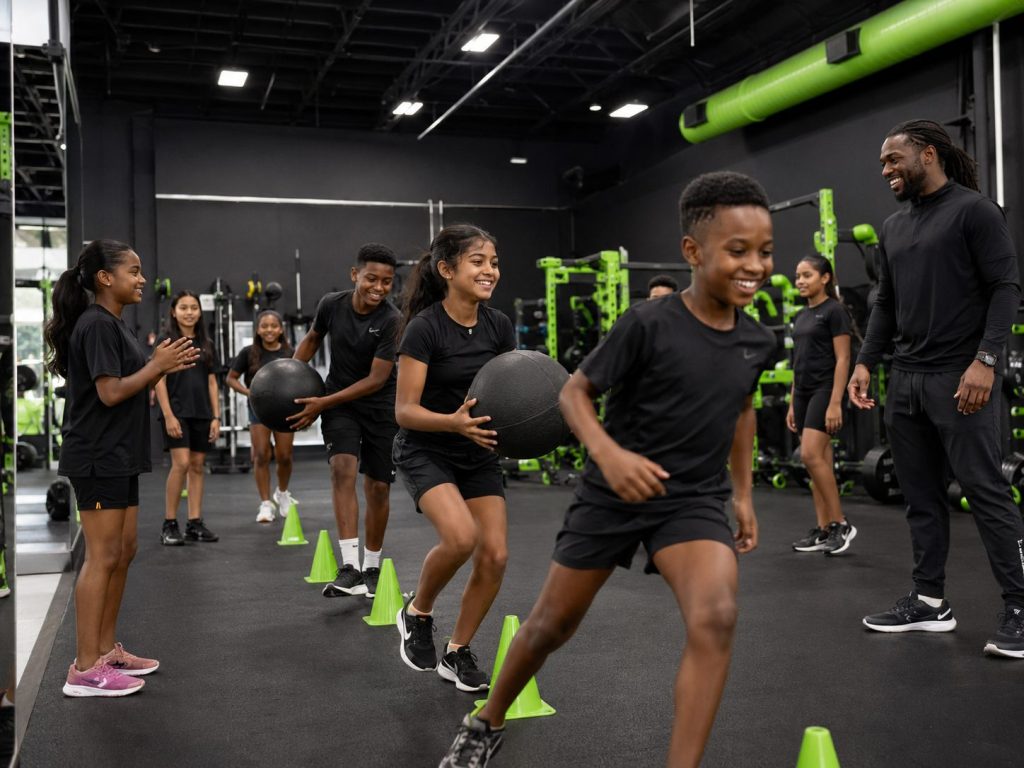
At EvoFitLab, we believe that when sports are done correctly, everyone wins.
Children get what they need most: fun, friendship, movement, and the opportunity to explore their abilities.
Parents get what they want too, because youth sports remain one of the greatest tools for teaching life skills.
Sports teach:
- Discipline and responsibility
- Confidence and resilience
- Teamwork and communication
- Leadership and respect
- How to handle success and failure
- Perseverance and work ethic
- Goal-setting and time management
- Accountability and self-control
There is no classroom that can perfectly replicate the lessons learned from being part of a team, overcoming adversity, or learning to bounce back after a loss.
Children learn how to listen, communicate, make decisions, support others, and respond when things do not go their way.
However, these lessons are most effective when adults create a positive environment. The coach, parent, and sporting culture all influence whether the child experiences sport as an opportunity to grow or as another source of pressure.
The Problem With Early Specialization
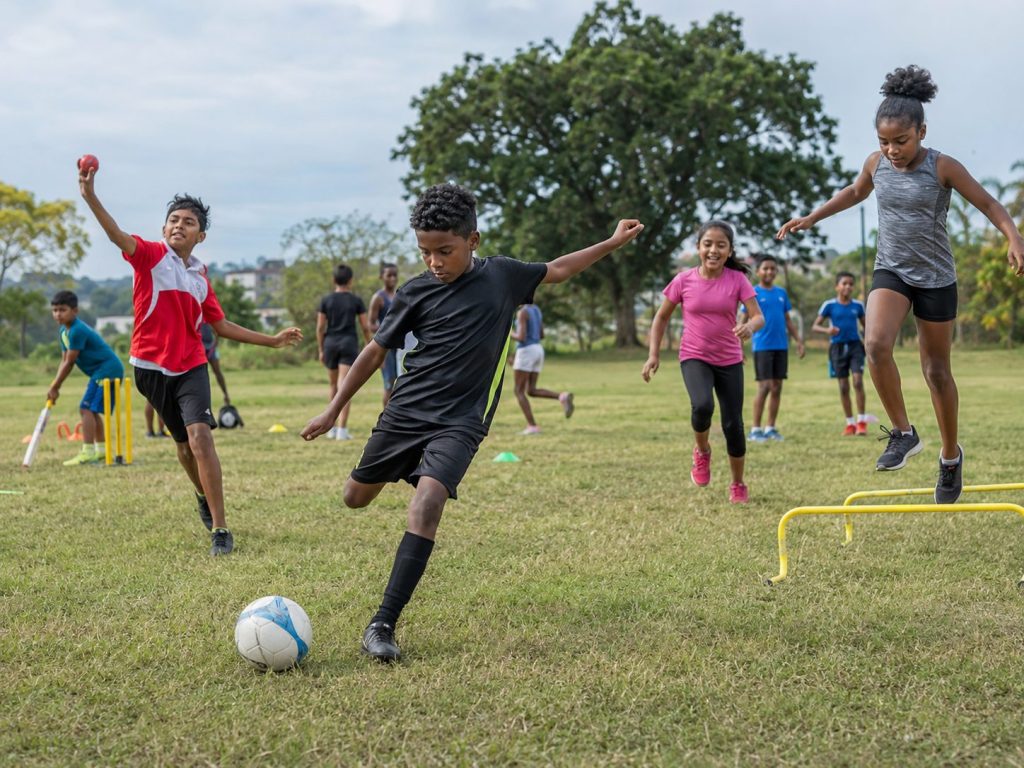
One of the biggest challenges in youth sports today is the pressure to achieve results too early.
Too many children are pushed into year-round competition, excessive training, and early specialization before they have had the chance to simply enjoy being active.
This can lead to:
- Physical burnout and overuse injuries
- Mental fatigue and loss of motivation
- Increased anxiety and pressure
- Reduced creativity and enjoyment in sports
- Higher dropout rates during adolescence
The American Academy of Pediatrics’ guidance on intensive training and early sport specialization highlights concerns around overuse injuries, overtraining, burnout, and excessive pressure in young athletes.
Children need opportunities to explore movement, try different sports, and develop a broad foundation of athletic skills.
They need to run, jump, throw, catch, climb, balance, react, and solve movement problems. These experiences help them develop physical literacy and discover which activities they genuinely enjoy.
The goal should not be to create champions at eight years old.
The goal should be to develop healthy, confident, resilient young people who remain active and engaged in sport for life.
The EvoFitLab Youth Athlete Development Framework provides a progressive approach that develops young athletes without rushing them into adult-style training or competition.
Sports Combat Isolation and Screen Dependency
In today’s world, sports provide something incredibly valuable: connection.
Many children spend increasing amounts of time on screens and less time engaging in meaningful physical activity, outdoor play, and face-to-face interaction.
When screen use begins replacing movement, sleep, social play, and participation in physical activities, it can affect important areas of childhood development.
Youth sports combat isolation by helping children:
- Build friendships
- Develop communication skills
- Improve confidence
- Experience teamwork and belonging
- Learn how to work through challenges with others
Sports provide an environment where children can laugh, move, compete, and create memories that last a lifetime.
They also give children a sense of belonging. Whether they are the fastest athlete, the most skilled player, or someone who is still learning, every child should feel that they are a valued part of the team.
This sense of connection is one of the reasons the purpose of youth sports must extend beyond results, rankings, and trophies.
Creating a Safe Environment to Fail
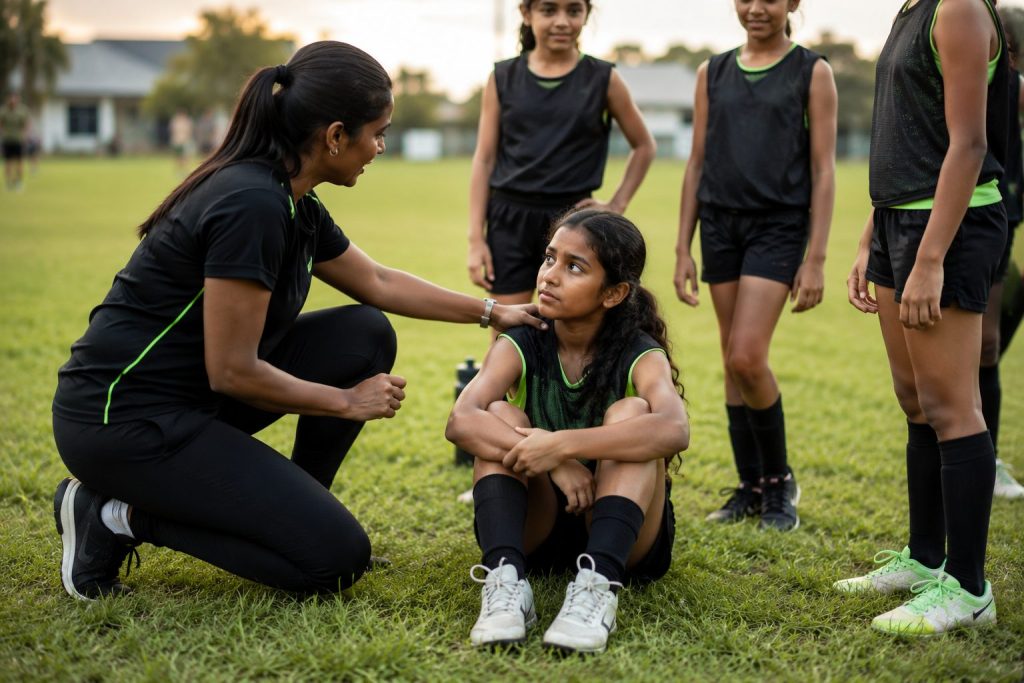
Perhaps one of the greatest gifts that sports can provide is the opportunity to fail safely.
Children need opportunities to make mistakes.
They need to lose games.
They need to struggle with skills.
They need to experience setbacks.
Failure, when properly supported, becomes one of life’s greatest teachers.
When coaches and parents create positive environments that focus on effort, learning, and growth rather than perfection, children develop resilience, confidence, and a willingness to keep trying.
The question should never be only:
“Did you win?”
Better questions include:
- Did you have fun?
- Did you work hard?
- Did you learn something?
- Did you help a teammate?
- What can you improve next time?
These questions build athletes and, more importantly, they build people.
Children should understand that making a mistake does not make them a failure. A missed shot, lost race, dropped catch, or difficult game is an opportunity to learn, adjust, and try again.
That lesson can remain with them long after their sporting years are over.
The Long-Term Purpose of Youth Sports
Every child will not become a professional athlete.
Every child will not earn a scholarship.
However, every child can benefit from sports.
Sports prepare children for life by teaching them how to:
- Handle adversity
- Work with others
- Set goals
- Build confidence
- Lead with integrity
- Respect others
- Pursue excellence
When we shift our focus from immediate results to long-term development, something remarkable happens.
Children stay involved longer.
They enjoy the process more.
They develop into better athletes and better people.
This is also why a youth training program should balance structure with enjoyment. The EvoFitLab Youth Athletic Development Program explains how science, coaching, competition, and athlete engagement can work together.
Let Kids Play
As adults, we have a responsibility to protect the joy of sport.
Let us not become so focused on scholarships, trophies, rankings, and championships that we forget why children started playing in the first place.
They wanted to have fun.
They wanted to play with their friends.
They wanted to compete and experience the joy of the game.
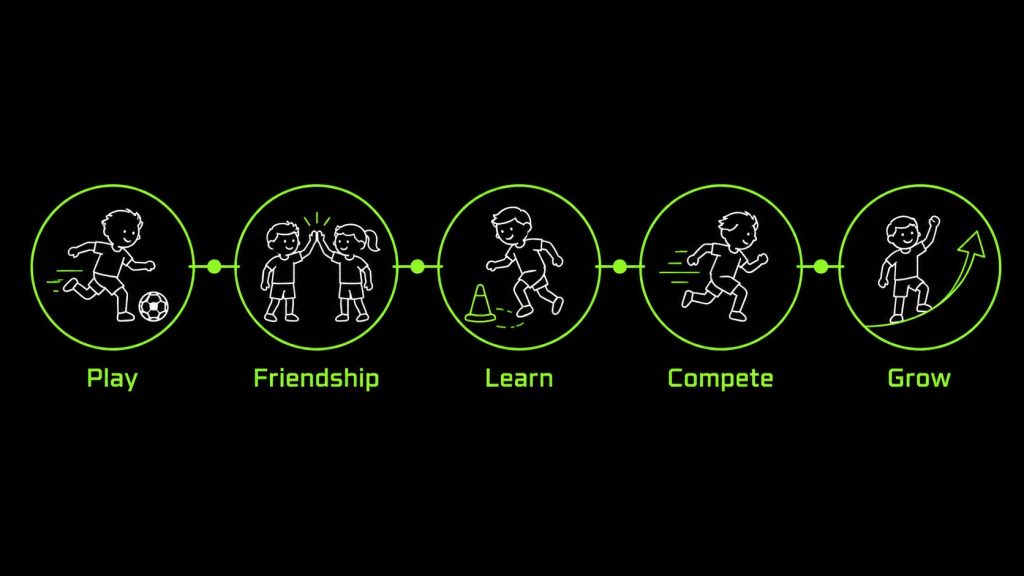
At EvoFitLab, we believe that when we create positive environments where children can play, learn, move, and grow, amazing things happen.
Let them have fun.
Let them play.
Let them compete.
Let them fail.
Let them grow.
Because the greatest victory in youth sports is not the medal or the trophy.
It is developing healthy, confident, resilient young people who carry the lessons of sport with them for the rest of their lives.
Gerard Nicholas, CSCS, BSc Sports Science
Physiotherapist
EvoFitLab
LP14 Pentecostal Road, Tunapuna
Mobile: 305-5482
Email: info@evofitlab.com
Website: www.evofitlab.com