
A great youth athletic development program is not just a list of exercises. It is a system that helps young athletes move better, train consistently, recover properly, and stay excited about the process.
Many coaches and parents look for the “perfect program.” However, the real answer is more balanced. Science gives the structure, but coaching skill keeps young athletes engaged long enough to benefit from it.
At EvoFitLab, youth development sits between biomechanics, strength training, speed coaching, injury prevention, and athlete psychology. The goal is not only to make young athletes faster or stronger. The goal is to build confident, resilient movers who enjoy training and understand why it matters.
Why a Youth Athletic Development Program Needs More Than Science
The science matters. Proper biomechanics, progressive overload, speed mechanics, mobility, recovery, and nutrition all shape long-term performance.
Still, science alone does not guarantee results.
If the program feels boring, confusing, repetitive, or intimidating, young athletes may stop giving their best effort. As a result, consistency drops, and adaptation slows.
A strong youth athletic development program should be:
- Structured
- Progressive
- Challenging
- Enjoyable
- Sport-specific
- Competitive in the right moments
- Confidence-building
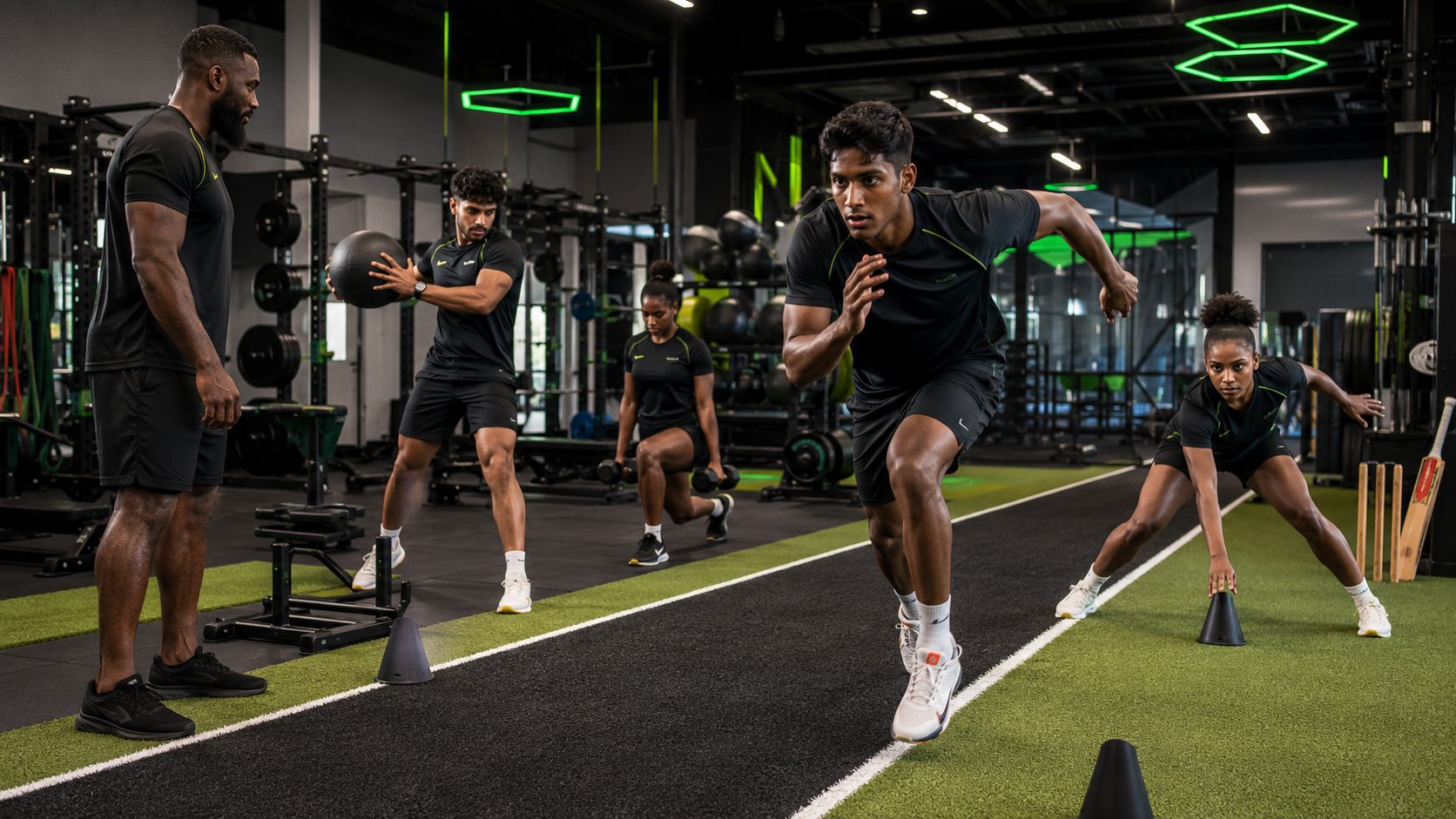
For young footballers, cricketers, track and field athletes, swimmers, and court-sport athletes, training should build physical qualities and emotional buy-in at the same time.
This is why the EvoFitLab Youth Athlete Development Framework is useful. It keeps the process organized while still allowing coaches to adjust the session to the athlete in front of them.
Athlete Buy-In Drives Long-Term Progress
Young athletes do not always understand why mobility, recovery, technique, or injury prevention matter. Therefore, the coach must make the process meaningful.
Sometimes, that means adding:
- Competitive sprint races
- Medicine ball challenges
- Reactive agility drills
- Fun movement circuits
- Sport-specific games
- Team challenges
- Explosive drills athletes enjoy
These elements are not “extra.” When used properly, they improve effort, confidence, team culture, and long-term consistency.
The WHO physical activity guidance for children and adolescents recommends at least 60 minutes of moderate to vigorous physical activity daily, with activities that strengthen muscle and bone at least 3 days per week. That recommendation matters, but young athletes still need those minutes to feel purposeful and enjoyable.
Consistency is what turns training into adaptation.
Key Areas of Youth Athletic Development
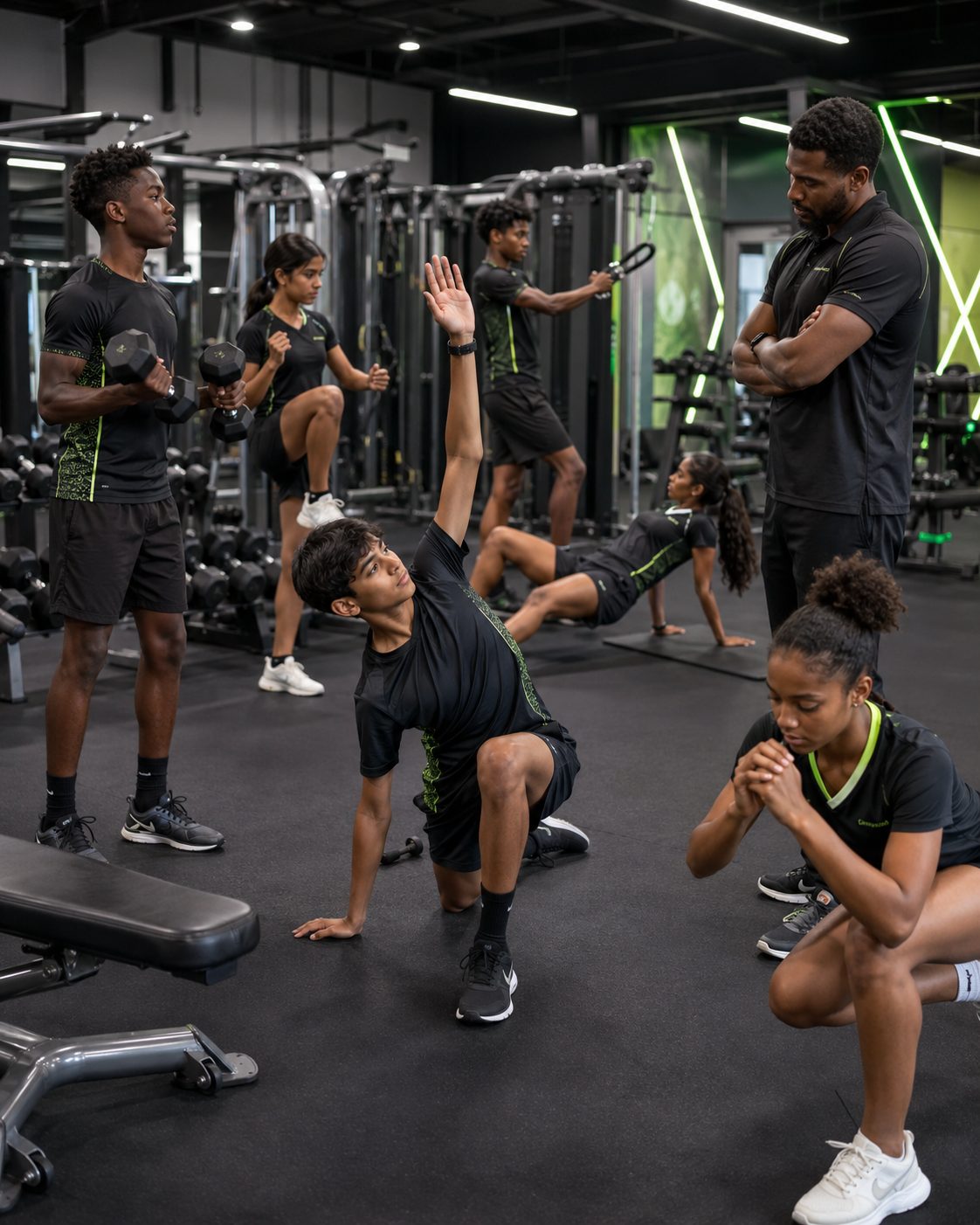
A complete youth athletic development program should build several qualities together. Each quality supports the others.
1. Movement Quality First
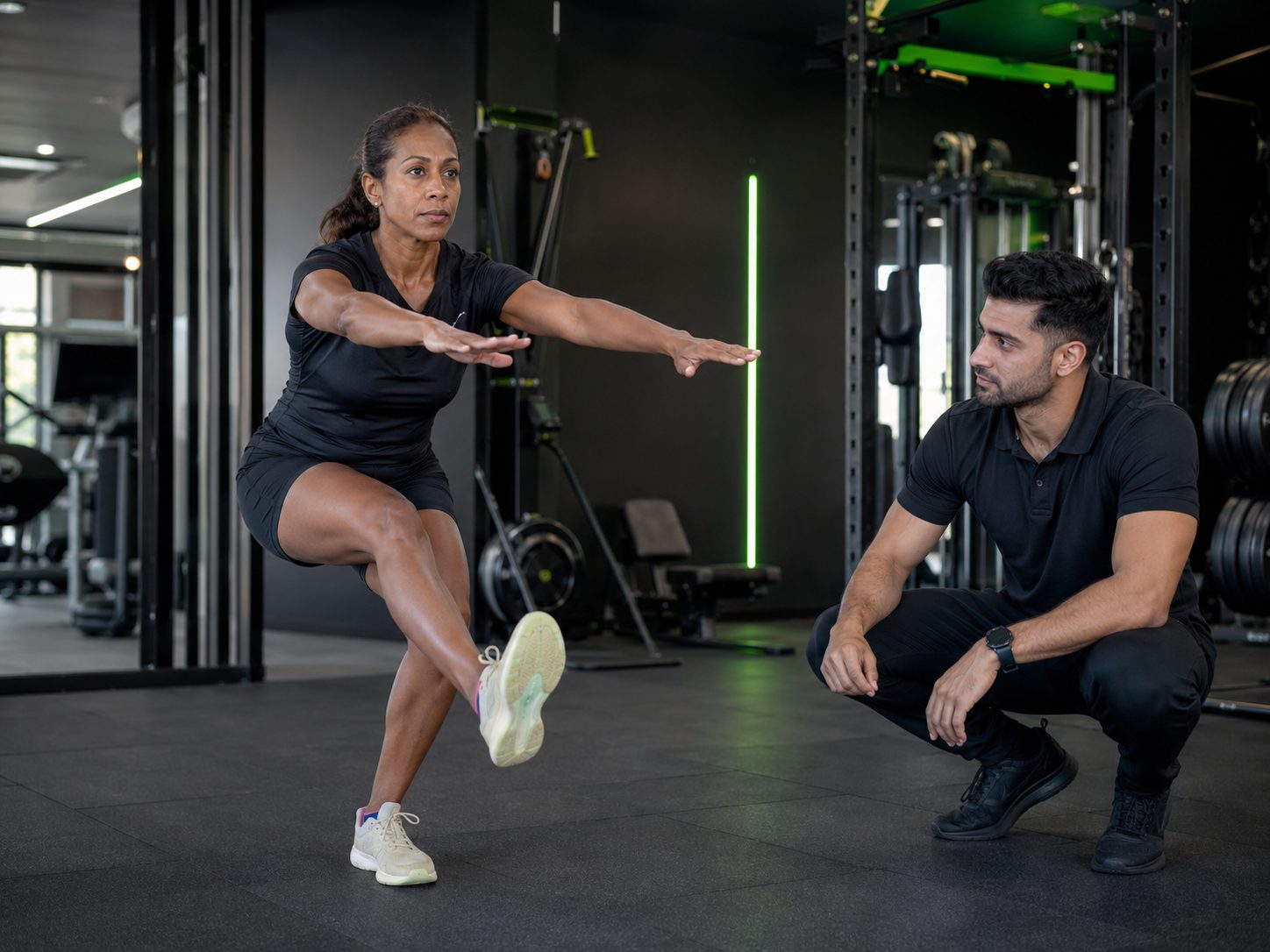
Before athletes lift heavily or sprint at full intensity, they need movement control.
Focus on:
- Squatting mechanics
- Landing mechanics
- Sprint posture
- Hip control
- Core stability
- Deceleration skill
Poor movement patterns limit speed, reduce efficiency, and increase stress on joints and soft tissues. For better session preparation, use the Four Worlds Movement Framework before strength, speed, or agility work.
2. Speed Development
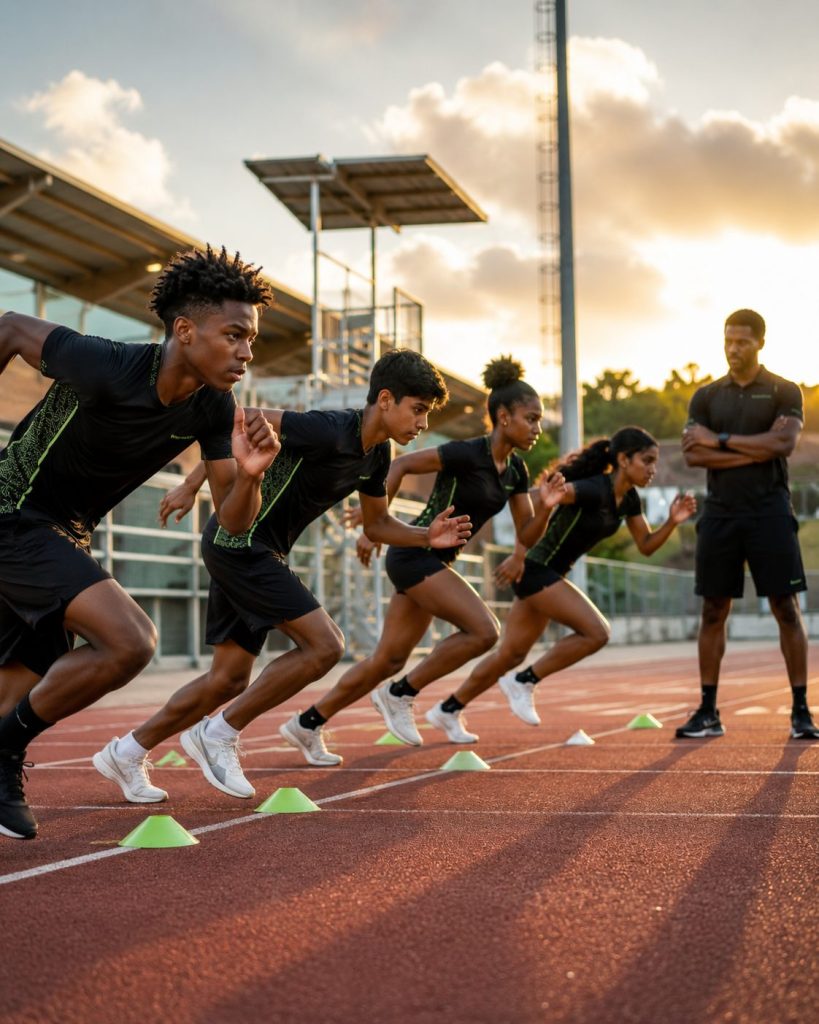
Speed is highly trainable when coached well. It should be technical, explosive, and low-fatigue.
Young athletes should develop:
- Sprint mechanics
- Acceleration
- Reaction speed
- Change of direction
- Plyometric ability
- Force production
For advanced speed and power concepts, coaches can connect acceleration work with Rate of Force Development Training.
3. Strength Training
Strength training can improve power, sprint speed, coordination, confidence, and injury resilience when supervised correctly.
The NSCA position statement on youth resistance training supports youth resistance training when programs are developmentally appropriate, properly supervised, and focused on safe technique.
Youth athletes should prioritize:
- Bodyweight mastery
- Technique development
- Relative strength
- Single-leg control
- Posterior chain strength
- Gradual progression
Strength training should not look like adult bodybuilding forced onto children. Instead, it should teach control, confidence, and athletic movement.
4. Recovery and Injury Prevention
Recovery is training. Young athletes who ignore sleep, hydration, nutrition, and mobility will struggle to perform consistently.
A recent youth sport injury prevention review reported that injury prevention programs may reduce injury incidence by around one-third in youth team sport athletes. The review also highlighted strength, flexibility, and stability as important program components. Coaches can review the PubMed summary on youth injury prevention programs for more context.
At EvoFitLab, this is why prevention work is not treated as boring filler. It is part of performance.
5. Nutrition for Young Athletes
Growing athletes need fuel for training, growth, concentration, and recovery.
Key principles include:
- Adequate protein intake
- Consistent hydration
- Whole-food carbohydrates
- Fruits and vegetables
- Post-training recovery meals
- Limiting excessive processed foods
Nutrition directly affects energy, recovery, focus, growth, and performance. For related education, browse the EvoFitLab Blog and connect nutrition habits to the full training plan.
Sample Weekly Youth Athletic Development Program
This sample is designed for athletes aged 12 to 18 across football, cricket, track and field, swimming, and similar sports. Adjust volume, intensity, and exercise selection based on training age, maturity, sport schedule, and injury history.
| Day | Focus | Example Work |
| Monday | Speed and lower-body strength | A-skips, wall drills, 10 m accelerations, flying 20s, goblet squats, Romanian deadlifts, lunges, dead bugs |
| Tuesday | Mobility and conditioning | Dynamic warm-up, mobility circuit, tempo runs or swim intervals, medicine ball circuit, recovery stretching |
| Wednesday | Upper-body strength and power | Medicine ball chest pass, rotational throws, push-ups, assisted pull-ups, dumbbell rows, shoulder stability work |
| Thursday | Agility and reactive training | Ladder drills, cone reaction drills, change of direction, mirror drills, competitive sprint relays |
| Friday | Total-body athletic performance | Box jumps, broad jumps, trap bar deadlift, split squats, push press, sled pushes, farmer carries |
This weekly plan blends structure and enjoyment. For example, Thursday can still train reaction speed and change of direction while using competitive relays and team challenges to improve buy-in.
For safe jump progressions, layer plyometrics using the Youth Plyometric Pyramid Trinidad. For longer-term planning, use the Fitness Periodization Guide to manage training stress across school terms, sport seasons, and competition blocks.
Coaching Rules That Keep Young Athletes Engaged
Great youth coaching is not soft. It is precise, adaptable, and human.
Use these rules:
- Explain the “why” behind key drills.
- Keep technical cues short.
- Use competition without letting quality collapse.
- Progress difficulty gradually.
- Let athletes experience success often.
- Track improvement, not just effort.
- Give feedback that builds confidence.
A coach should know when to push, when to simplify, and when to make training more enjoyable without lowering the standard.
Clinical note: youth athletes with pain, recurring injury, dizziness, unexplained fatigue, or movement limitations should be assessed by a qualified professional before progressing training intensity.
Conclusion
A youth athletic development program should be smart, progressive, engaging, and safe. Science gives the framework. Coaching art makes the framework work in real life.
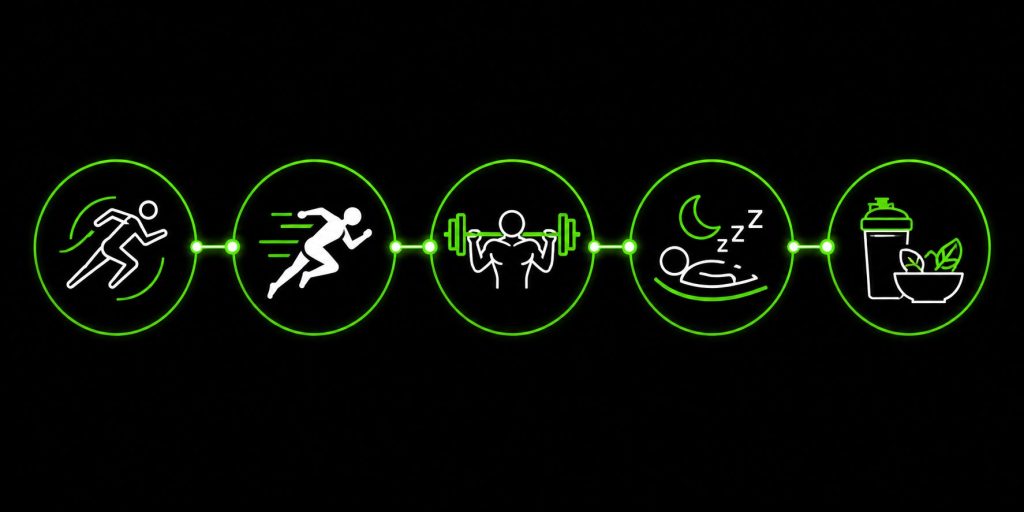
Young athletes need speed, strength, mobility, recovery, nutrition, and injury prevention. However, they also need confidence, enjoyment, and a reason to keep showing up.
At EvoFitLab, the mission is to develop complete athletes who are faster, stronger, more resilient, better educated, and more confident.
Need a structured development plan for a young athlete? Contact EvoFitLab and build a program that supports long-term performance in sport and in life.
Written by Gerard Nicholas, CSCS