
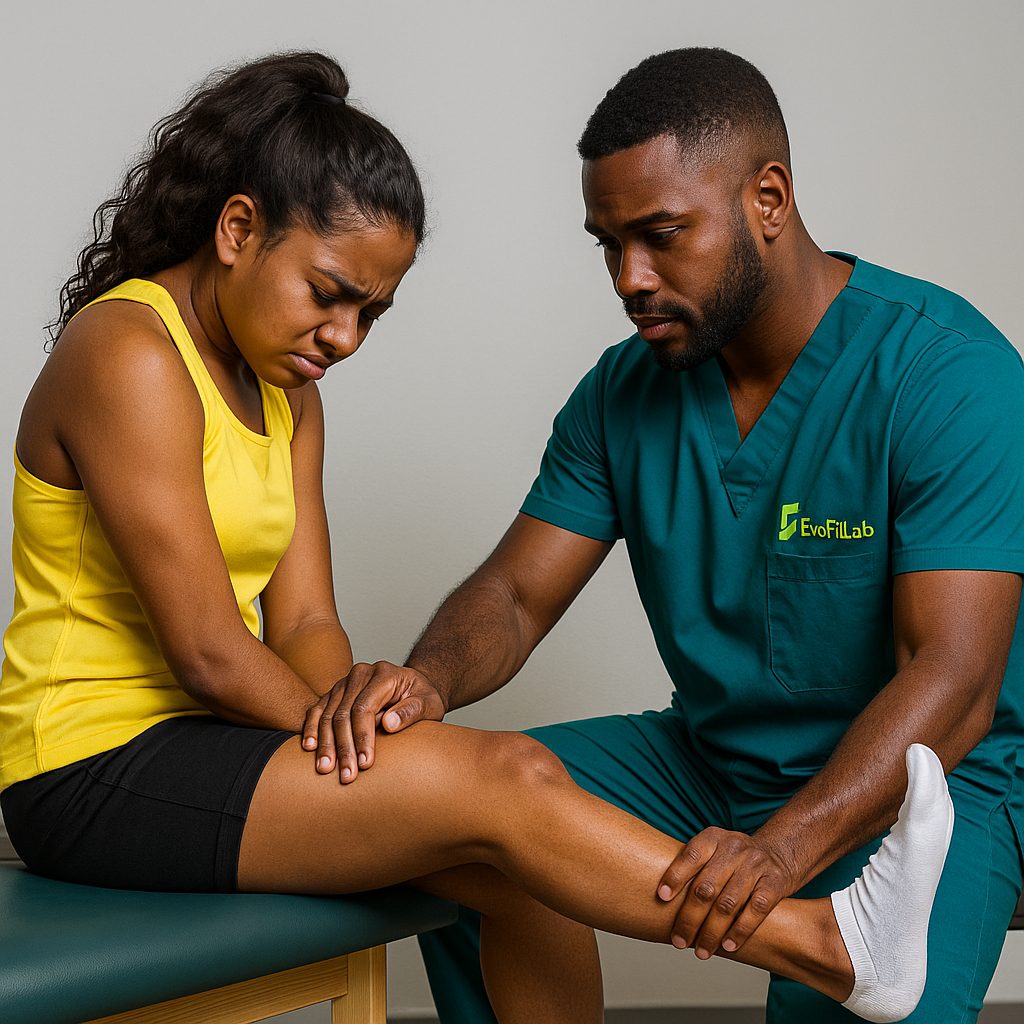
Sciatica Rehab for Athletes
Sciatic-type leg pain can stall training cycles and game availability. Athletes need a clear path that confirms what is happening, reduces nerve irritation, restores trunk and hip control, and builds back sprinting and change-of-direction capacity.
What sciatica is and why athletes get it
Sciatica describes leg pain, tingling or weakness caused by irritation of the lumbosacral nerve roots, most often from a disc herniation, stenosis or less commonly piriformis syndrome. Initial management emphasizes staying active, education, exercise, and a stepwise pathway that reserves injections or surgery for persistent or severe deficits. NICENCBI
High-speed rotation, repeated flexion under load, and hard landings increase risk in football, track and field, cricket and court sports. Programs that pair movement prep with progressive strength reduce recurrence.
Internal link: Start sessions with our Four Worlds Movement Framework for whole-body prep.
How to tell if it is sciatica
Use a short screen that blends symptom history with a few key tests.
Key tests
- Straight-Leg Raise for reproducing familiar leg pain. It is sensitive but not very specific, so use it to help rule out a disc herniation rather than confirm it. NCBILippincott
- Slump or Extended SLR variations can improve agreement between testers and help detect sciatic involvement. BioMed Central
- Red flags for urgent referral: progressive motor loss, saddle anesthesia, bowel or bladder change, or trauma.
NICE advises that manual therapy be used only as part of a package that includes exercise, and not to use acupuncture for low back pain with or without sciatica. NICE
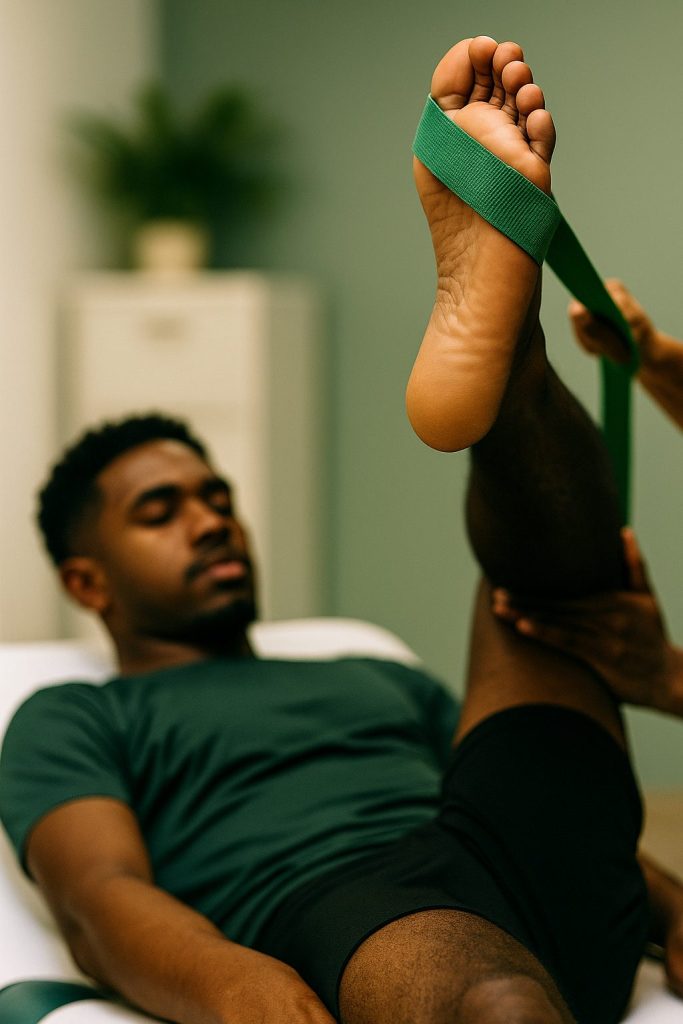
Sciatica Rehab for Athletes: 12-week plan
Follow four phases. Progress only when pain ratings are trending down and movement quality is solid.
| Phase | Weeks | Goals | Sample drills |
|---|---|---|---|
| 1. Protection and pain relief | 1–2 | Settle nerve irritability, keep walking tolerance | Pelvic tilts 2×10, supine knee-to-chest 2×30 s, sciatic nerve glides 10 reps, diaphragmatic breathing 5 min, easy walking or pool work 15–20 min |
| 2. Core activation and mobility | 3–5 | Restore trunk control, free hips | Bird-Dog 3×10 each, Dead Bug 3×10, McGill curl-up 3×10, glute bridge 3×12, gentle hamstring and hip flexor mobility |
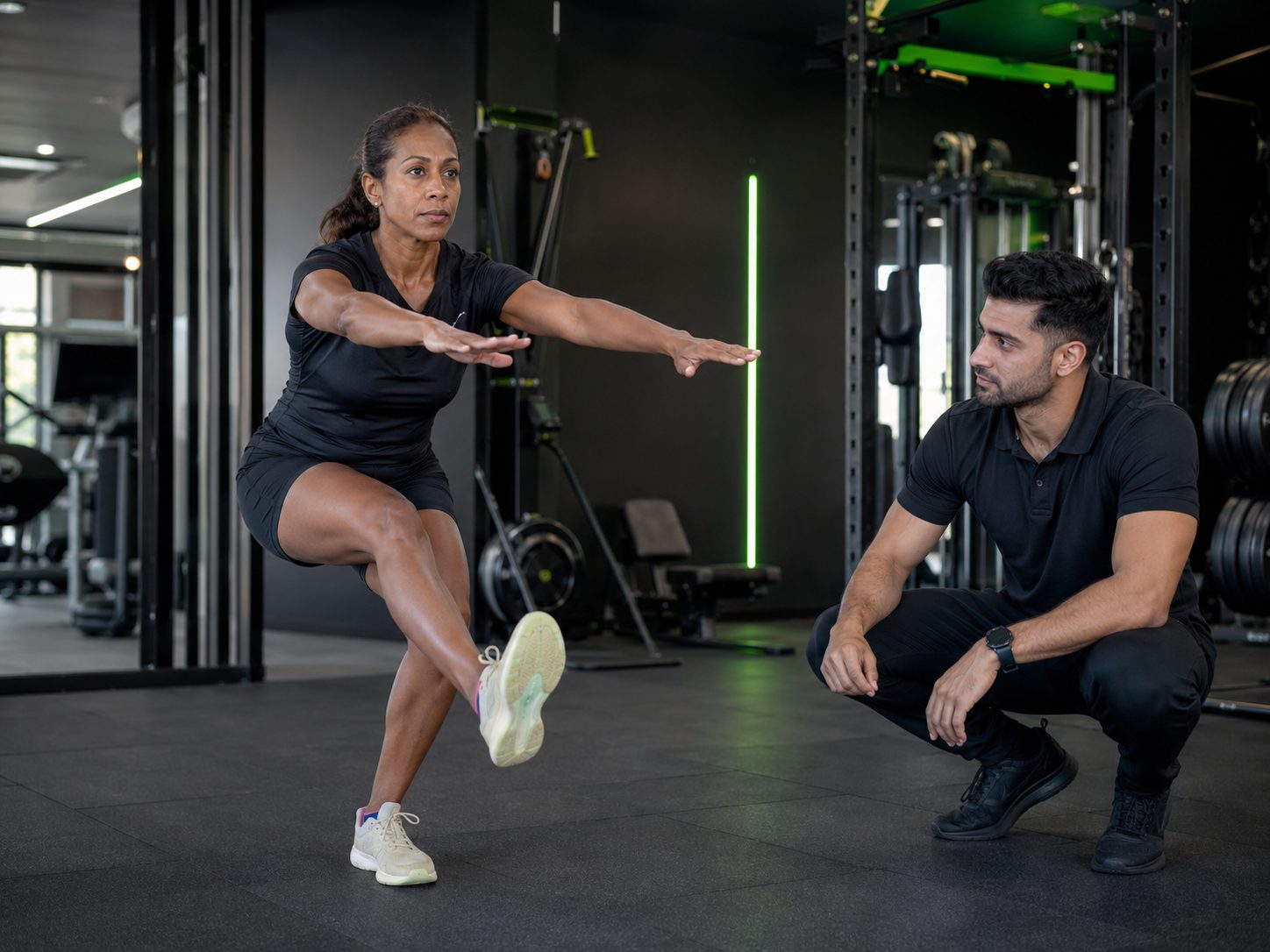
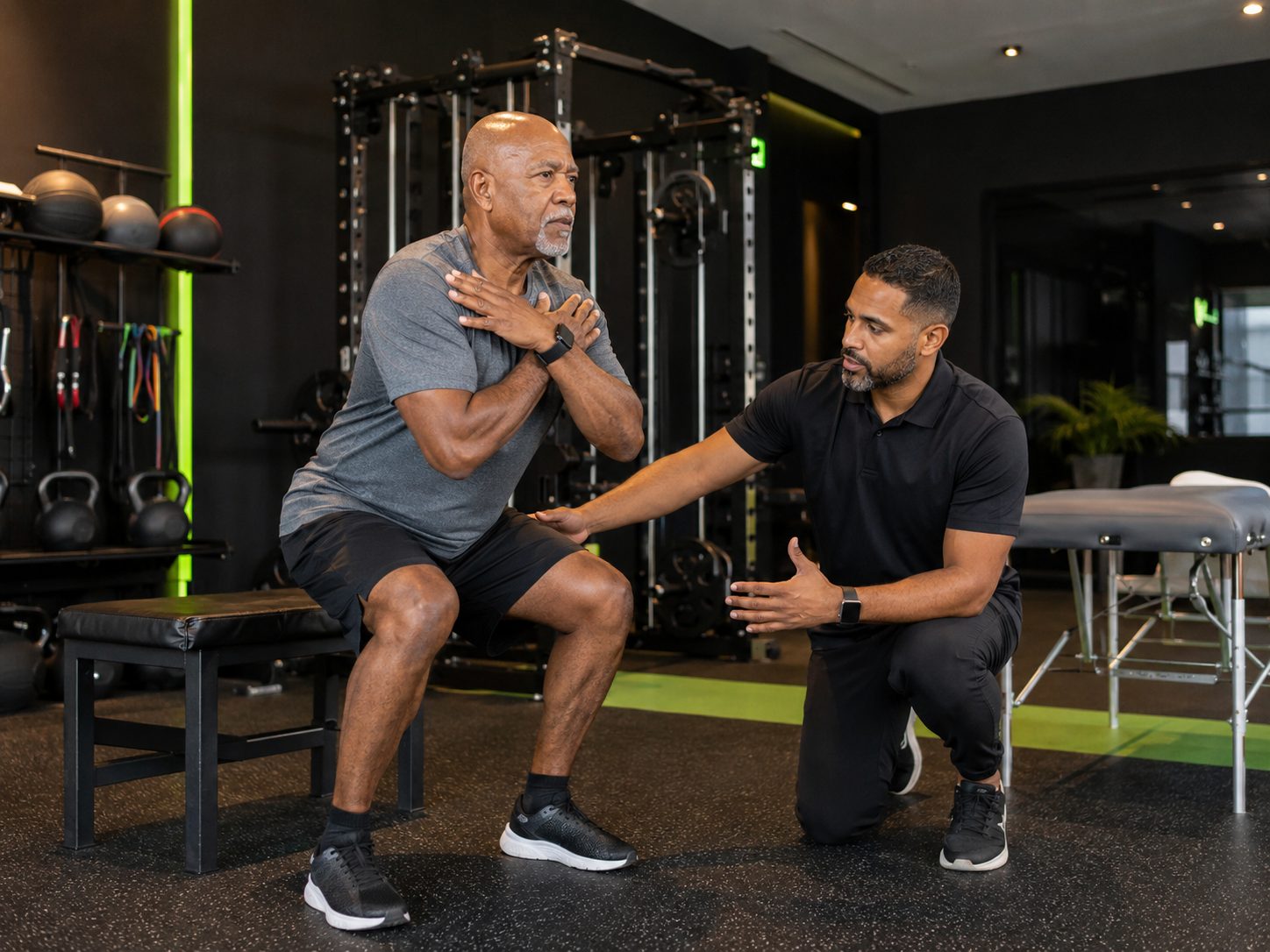
| 3. Strength and stability | 6–9 | Build hip and trunk strength, tolerate load | Side plank 3×20–30 s, split squat 3×10, light RDL 3×8, step-ups 3×10 each, band lateral walks 3×15 |
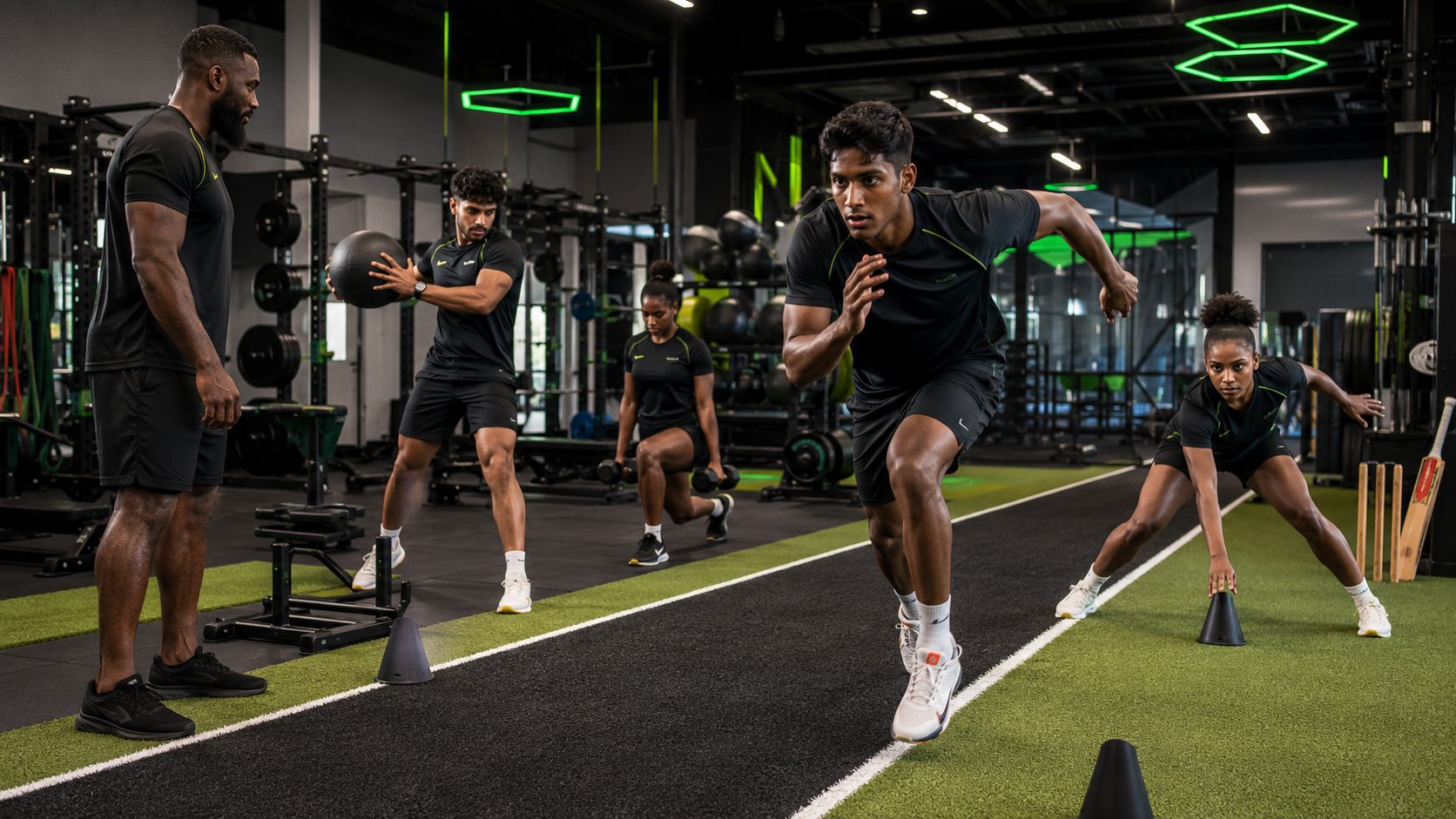
| 4. Return-to-sport prep | 10–12 | Rebuild acceleration, decel and hopping | Landing mechanics 3×6, controlled COD drills, single-leg hops 3×5 each, skaters 3×12, light deadlift progressions with coaching |
Neural mobilization, often called nerve gliding or flossing, shows evidence for short-term pain reduction and functional gains in lumbar radiculopathy when combined with exercise. MDPIPMC+1
Internal links:
Build hip power safely with our Youth Plyometric Pyramid Trinidad.
For strength re-builds and sprint intent, review Rate of Force Development Training.
Training modifications that speed recovery
- Keep daily steps or easy cycling to maintain aerobic capacity. NICE encourages remaining active with graded exercise such as strengthening and aerobic work. The Rheumatologist
- Swap deep loaded spinal flexion for hip-dominant patterns until symptoms calm.
- Cue neutral rib-to-pelvis alignment during all drills.
- Use a simple KPI each phase like 10-meter sprint time, single-leg hop distance or pain at end-range.
APTA’s 2021 low back pain guideline supports exercise programs that include specific trunk muscle activation and progressive loading for both acute and chronic presentations. PubMedJOSPT
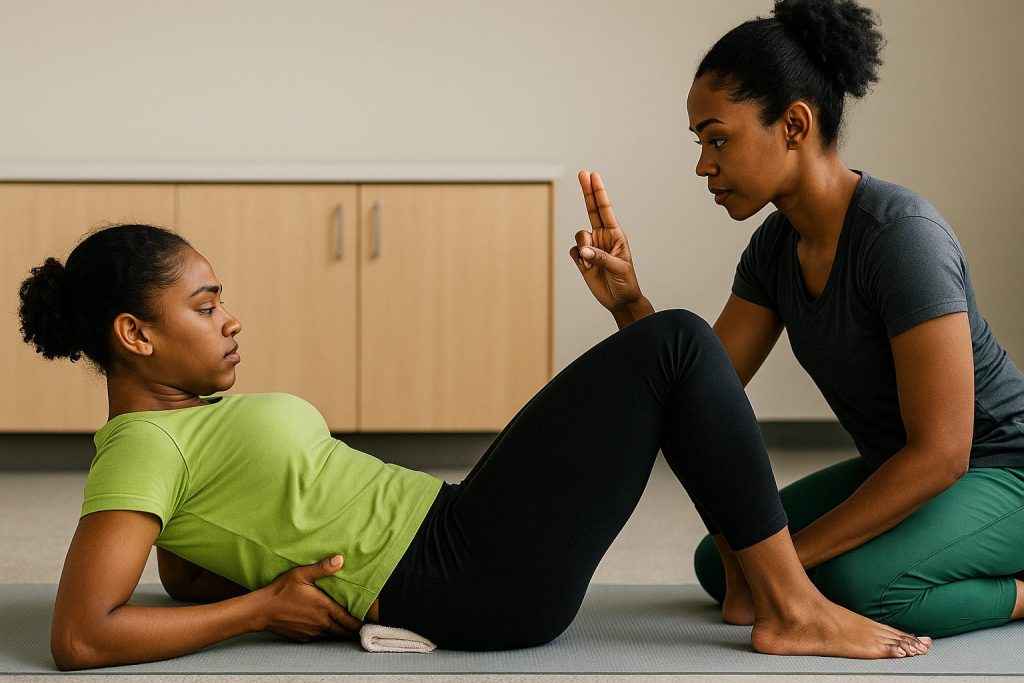
When to image or refer
Consider imaging if severe or progressive neurologic deficits are present, if pain persists beyond conservative care timelines, or if red flags appear. Clinicians should guide pharmacologic options, injections or surgery for selected cases. NICE
Prehab habits for teams
- Keep McGill’s Big-3 style anti-flexion and anti-rotation work in warm-ups two or three days per week.
- Maintain hip mobility and glute strength, then layer sprint and landing mechanics.
- Audit weekly loads and avoid sudden spikes before competition.
Keep learning: Browse the EvoFitLab blog hub for related guides.
Conclusion
With a clear diagnosis, sensible loading and steady progressions, most athletes return to sprinting and cutting without flare-ups. Use this Sciatica Rehab for Athletes plan to guide the next twelve weeks, then lock in prehab so nagging symptoms do not come back.
Written by Gerard Nicholas, CSCS