

Forearm tendinitis is often treated like a simple overuse problem. However, that view misses the bigger picture. In racket sports, cricket, golf, gym training, and daily gripping tasks, the painful side is rarely the only side doing work.
The forearm acts as a coordinated system. When one group creates force, the opposite group stabilizes the wrist and controls unwanted motion. Because of this, recovery needs more than stretching the sore area or massaging the painful tendon. It needs a full forearm, wrist, grip, and load management strategy.
Why Forearm Tendinitis Gets Treated Wrong
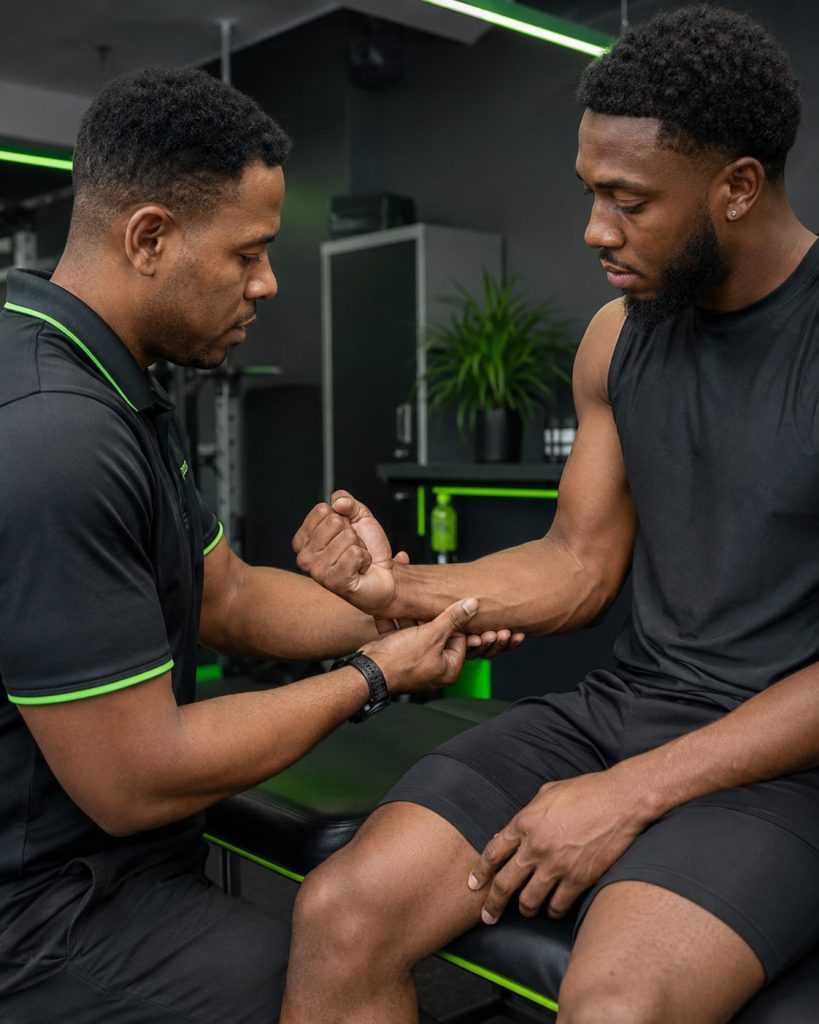
Most people treat the side that hurts.
If pain sits on the inside of the elbow, they focus on the wrist flexors. If pain sits on the outside, they focus on the wrist extensors. That approach can help symptoms in the short term. However, it often misses why the tissue became overloaded.
Mayo Clinic explains that tendinitis commonly develops when repeated motions stress a tendon over time. However, repeated movement is only part of the problem. Repeated stabilization also matters.
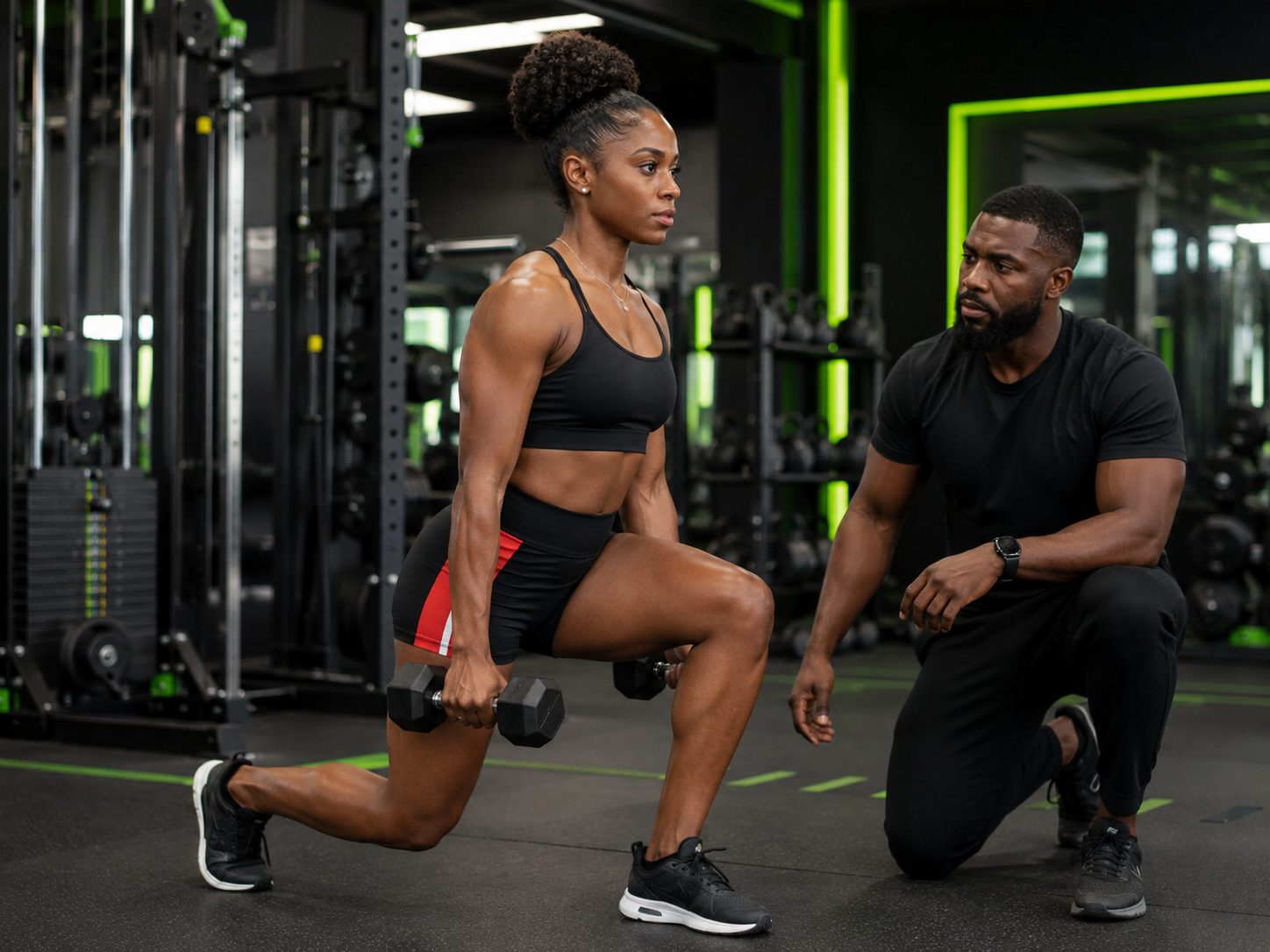
For example, when an athlete grips a bat, racket, barbell, or dumbbell:
- The wrist flexors create grip force.
- The wrist extensors help hold the wrist position.
- The elbow and shoulder guide the arm path.
- The trunk gives the arm a stable base.
As a result, forearm tendinitis can build when the entire system loses capacity, not just when one muscle gets overused.
The Forearm Works as a Grip and Stability System
The forearm has two big jobs during sport and training.
First, it must create force. This happens during gripping, swinging, pulling, carrying, catching, and striking. Second, it must control force. This happens when the wrist tries to bend, collapse, rotate, or extend under load.
That second job is easy to ignore because the stabilizing muscles may not look busy. Still, they are working hard.
This matters in:
- Tennis forehands and backhands
- Cricket batting and bowling
- Golf grip and swing control
- Pull-ups, deadlifts, rows, and carries
- Opening jars, lifting bags, and other daily tasks
At EvoFitLab, this links directly to whole-body control. A stable wrist performs better when the shoulder, trunk, and hips also organize force well. For better movement preparation, review the Four Worlds Movement Framework. You can also connect grip work with trunk control through Core Stability at EvoFitLab.
What Actually Causes the Tendon to Flare
Forearm tendinitis usually builds when tendon load exceeds tendon capacity. That load can come from movement, force production, gripping volume, poor recovery, or repeated stabilization under fatigue.
Common triggers include:
| Trigger | What it does |
| Sudden grip volume spike | Exposes the tendon to more work than it can tolerate |
| Weak wrist stabilizers | Forces painful tissue to compensate |
| Poor shoulder or trunk control | Increases stress at the elbow and wrist |
| Too much heavy gripping | Reduces recovery between sessions |
| Only treating the painful side | Leaves the opposite side undertrained |
PubMed research supports eccentric exercise as a conservative option for lateral elbow tendinopathy, with studies reporting improvements in pain, strength, and function. Another study found that eccentric-concentric training combined with isometric contractions improved pain and function. However, isometrics should not be treated as a complete fix by themselves, since research on unsupervised isometric exercise shows more mixed results.
A Smarter Forearm Tendinitis Recovery Plan
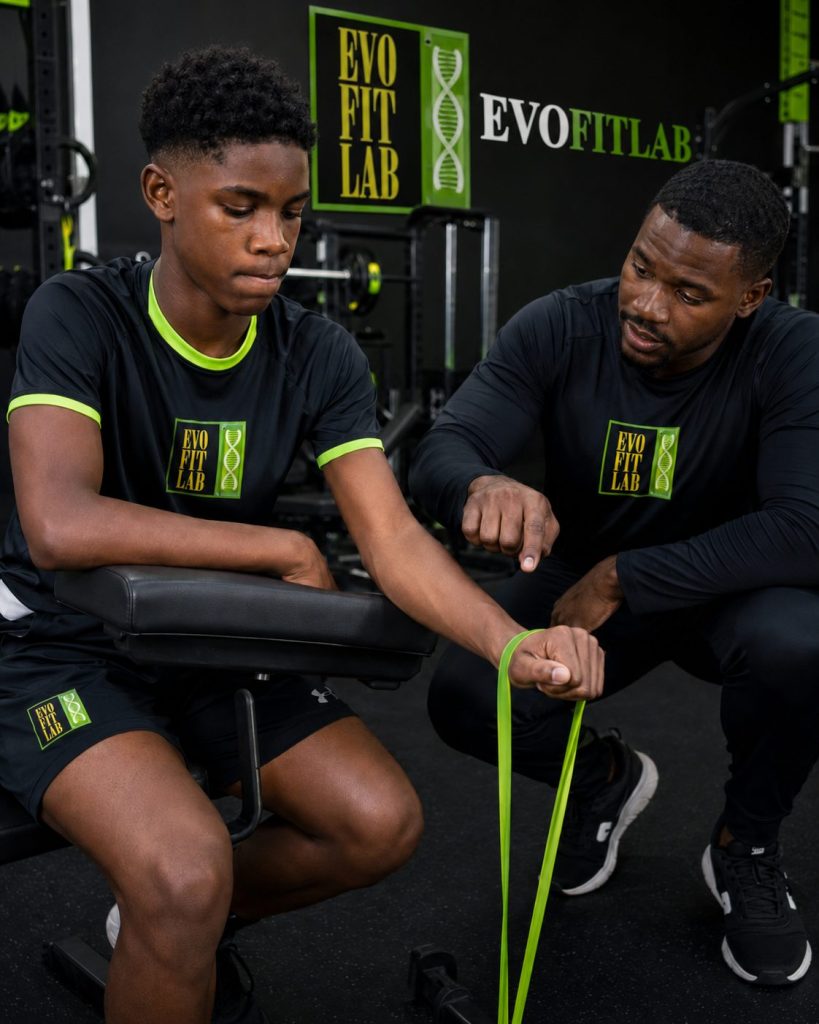
A better approach trains the whole forearm system, not just the sore tissue.
Step 1: Train Both Sides of the Forearm
Use pain-guided loading to strengthen wrist flexors and extensors. Include both slow lowering work and controlled holds. This builds strength, tendon tolerance, and local endurance.
Useful options include:
- Wrist flexion control
- Wrist extension control
- Pronation and supination work
- Farmer carries with lighter loads
- Isometric grip holds within tolerance
Step 2: Improve Wrist Stability
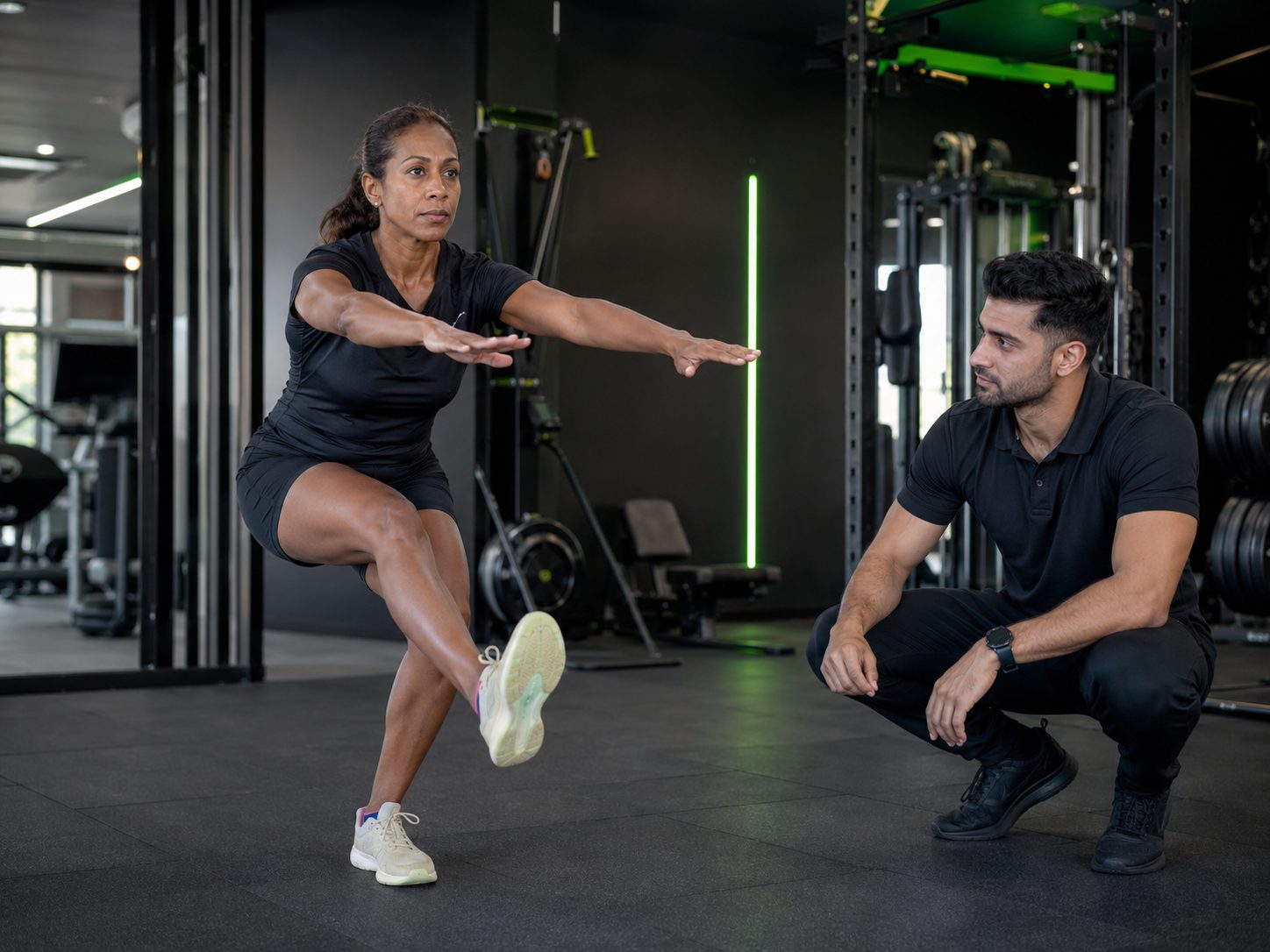
The wrist must stay strong under changing angles. Therefore, include controlled drills that challenge position, not just movement.
Good choices include:
- Light kettlebell bottoms-up holds
- Controlled racket or bat position holds
- Band resisted wrist stability drills
- Grip variations with neutral wrist focus
Step 3: Manage Load and Volume

Most flare-ups come from doing too much too soon. Track grip-heavy work the same way you would track sprinting, jumping, or throwing volume.
Reduce sudden spikes in:
- Batting or racket sessions
- Pulling lifts
- Heavy carries
- High rep gripping circuits
- Manual work or repeated daily gripping
For broader planning, use the EvoFitLab Fitness Periodization Guide to structure load across weeks instead of reacting only when pain appears.
Step 4: Restore Tissue Quality and Movement Options
Manual therapy, soft tissue work, and mobility drills may help symptoms. However, they should support loading rather than replace it.
Focus on:
- Wrist mobility
- Elbow range of motion
- Shoulder control
- Gradual grip exposure
- Warm-up and cooldown habits
Step 5: Fuel Recovery
Tendons need consistent recovery inputs. That means adequate protein, hydration, sleep, and enough total energy to support repair. If training volume is high, under-fueling can make tendon recovery harder.
For athletes who need support with performance fueling, browse the EvoFitLab Blog for related nutrition and recovery guides.
When to Get Professional Help
Do not push through worsening symptoms just because the pain feels manageable.
Seek qualified help if:
- Pain worsens during normal daily tasks
- Grip strength drops sharply
- Numbness or tingling appears
- Pain follows a fall, collision, or sudden strain
- Symptoms persist despite sensible load reduction
Clinical note: persistent elbow pain can involve tendon, nerve, joint, or referred pain patterns. Therefore, a sports physiotherapist or qualified clinician should assess cases that do not respond to early load management.
Conclusion
Forearm tendinitis is not always a simple overuse issue. Often, the hidden cause is a breakdown in how the forearm creates force, stabilizes the wrist, and manages repeated gripping demands.
If you only treat the painful side, you may ignore half the problem. Instead, train the full forearm system, build wrist stability, manage grip volume, and support recovery. For athletes, that approach leads to better performance and fewer repeat flare-ups.
Need help building a sport-specific return plan? Contact EvoFitLab and get your elbow, wrist, shoulder, and grip mechanics assessed as one connected system.
Written by Gerard Nicholas, CSCS