
When knee pain strikes, the first piece of advice many people hear is:
“Strengthen your quadriceps.”
Is that good advice?
Yes.
Is it enough?
Not always.
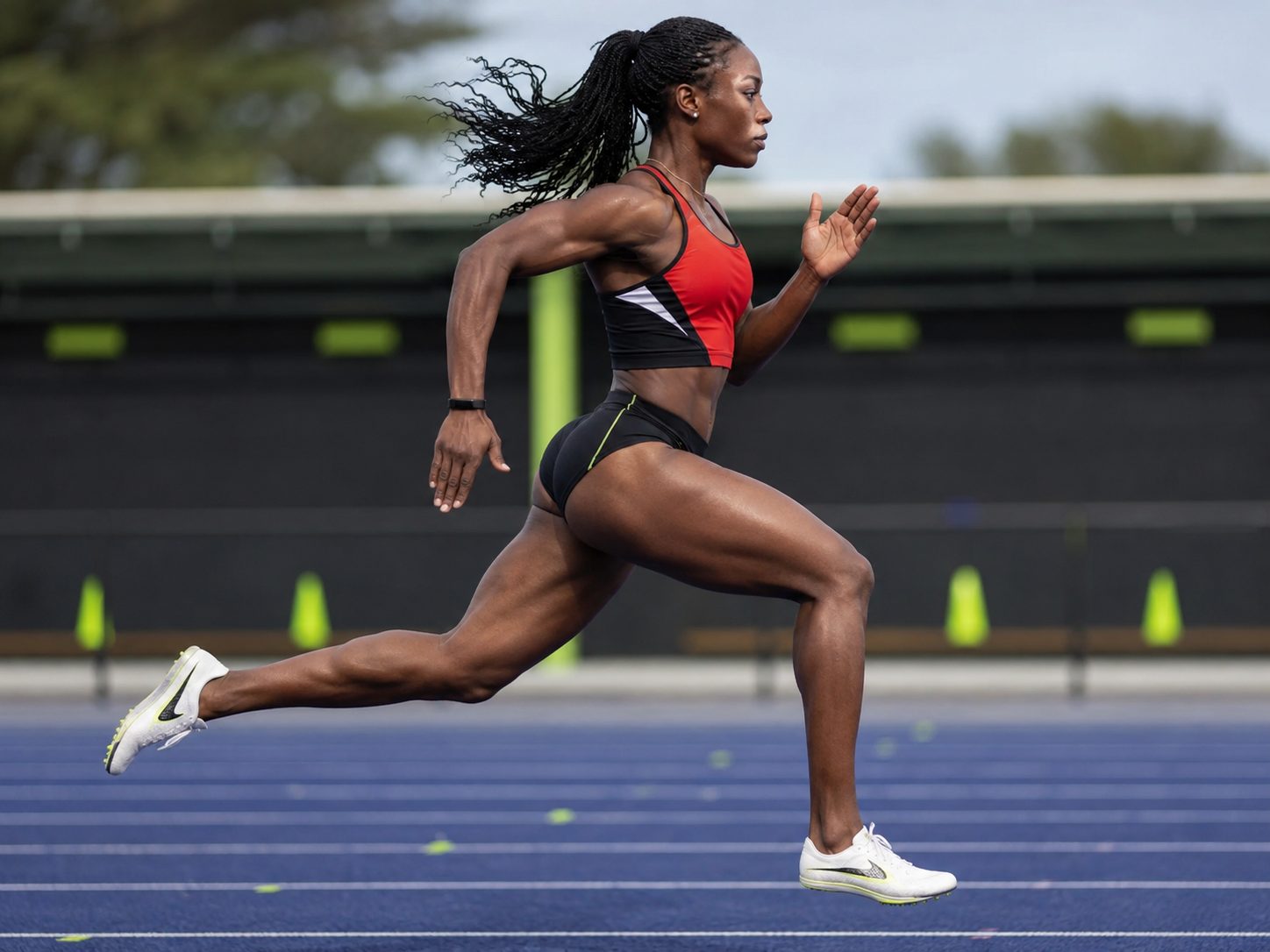
The knee is one of the body’s most complex joints. It transfers forces between the foot and the hip while coping with walking, running, jumping, cutting, and landing.
Expecting one muscle to solve every knee problem is like expecting one player to win an entire football match alone.
When Quadriceps Strengthening Is Not Enough
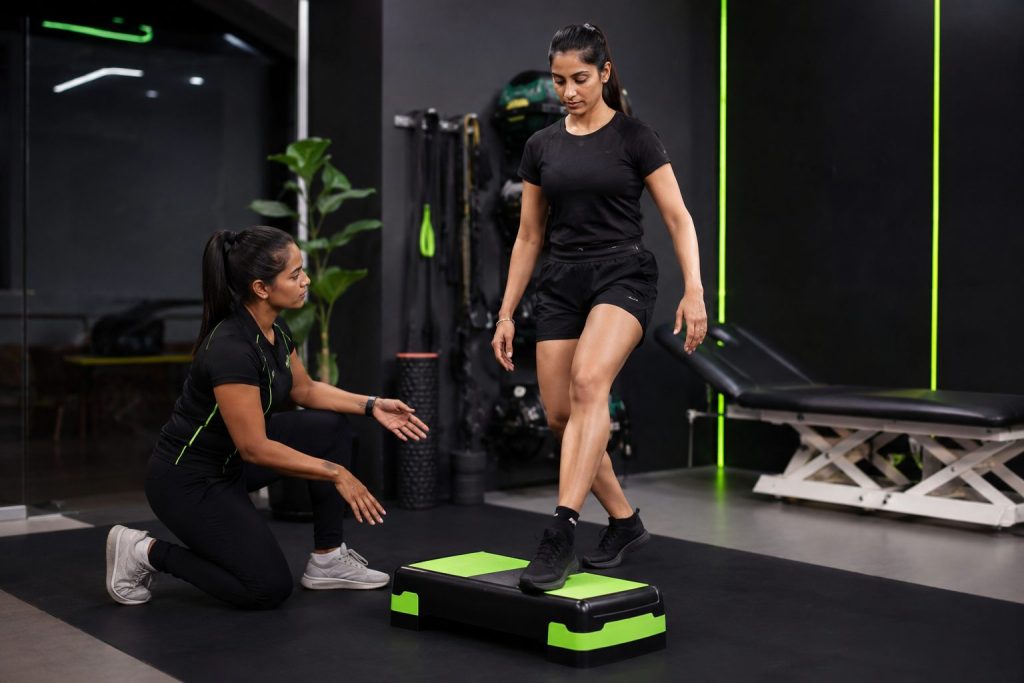
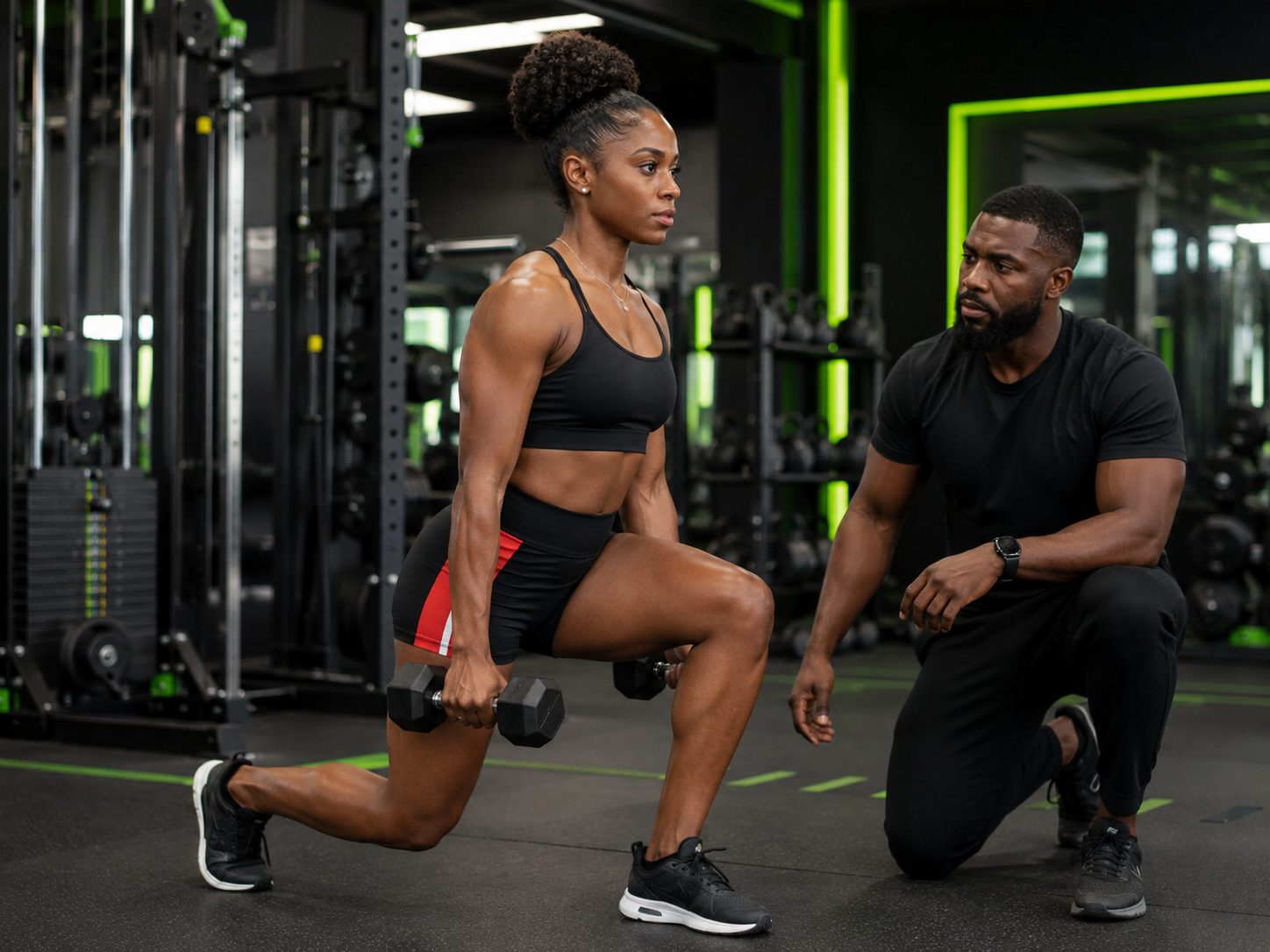
Recently, I worked with a recreational runner in her late 30s who developed persistent knee pain after an awkward step during a trail run.
She sought help immediately and was advised to strengthen her quadriceps. She followed the advice faithfully, yet months later, the pain remained.
The advice was not wrong.
It simply was not complete.
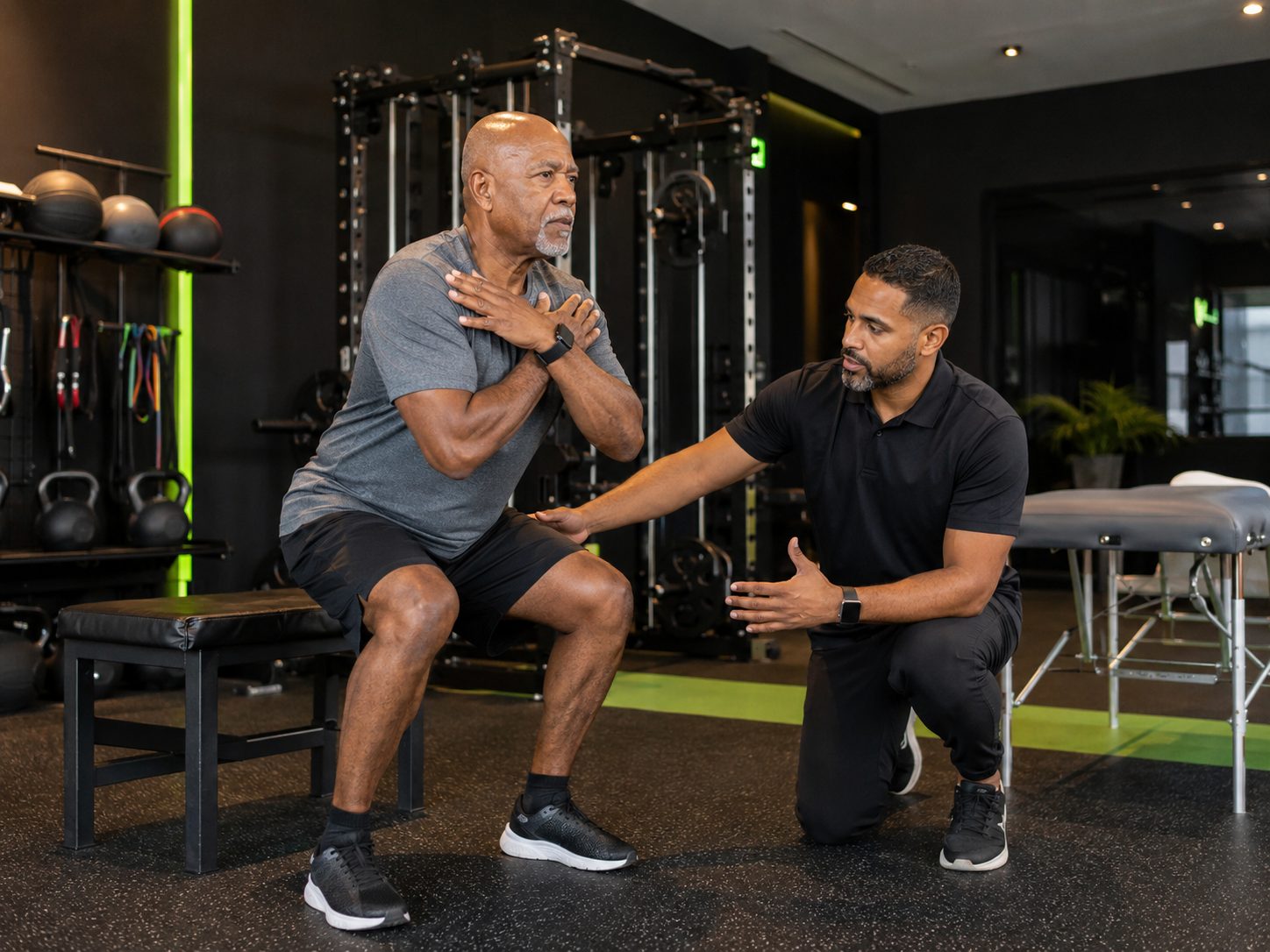
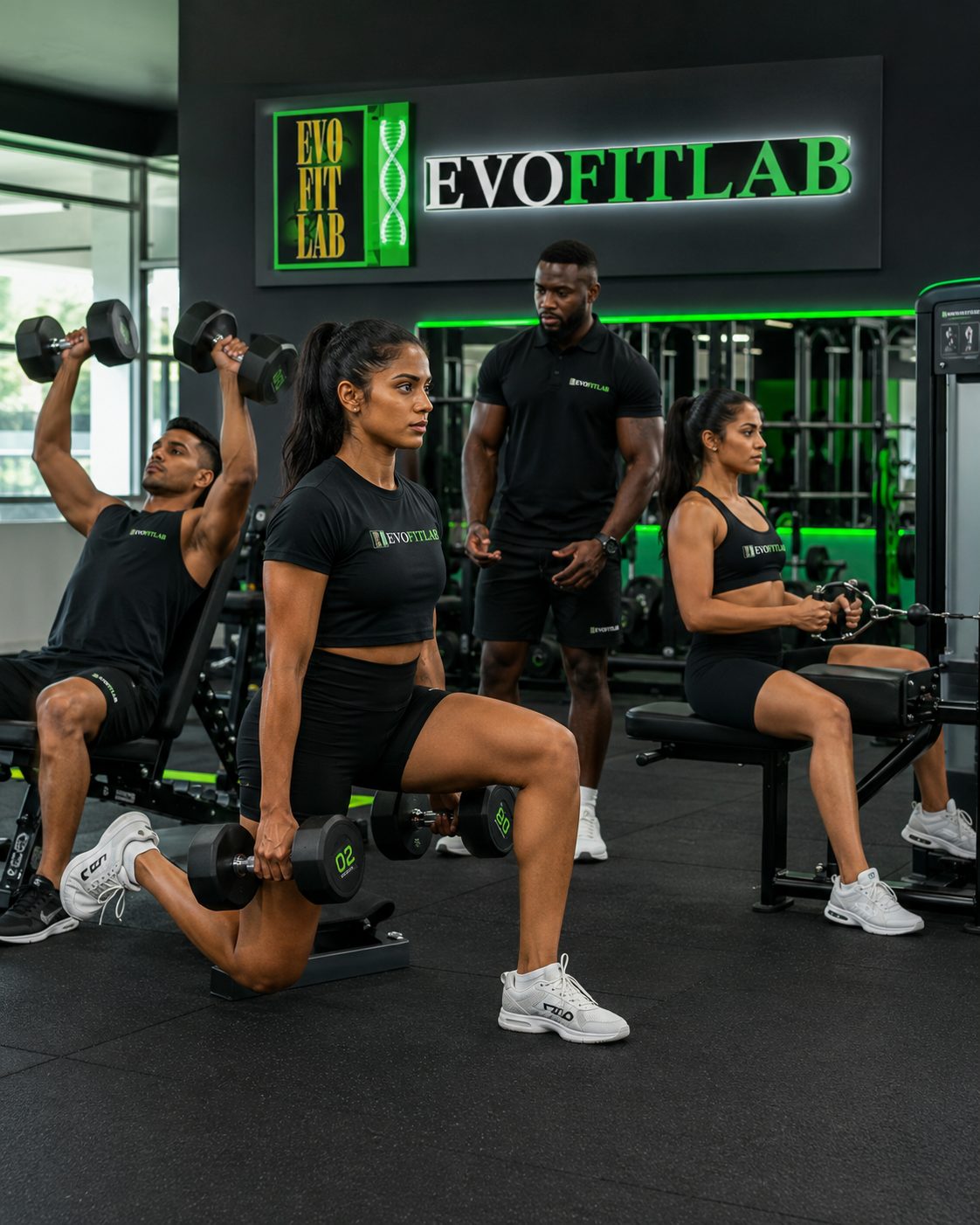
At EvoFitLab, our knee pain assessment looked far beyond the knee.
We examined:
- Foot mechanics
- Ankle mobility and stability
- Calf strength
- Hip strength and control
- Core stability
- Balance and proprioception
- Running technique
- Training volume and recovery
- Sleep, stress, work demands, and overall lifestyle
Each of these factors contributes to how forces travel through the knee.
The Knee Is the Middle Child
The knee sits between two powerful joints: the hip and the ankle.
If either of these joints is not functioning efficiently, the knee often works harder than it should.
This is why many people experience knee pain even though the actual source of the problem may lie somewhere else.
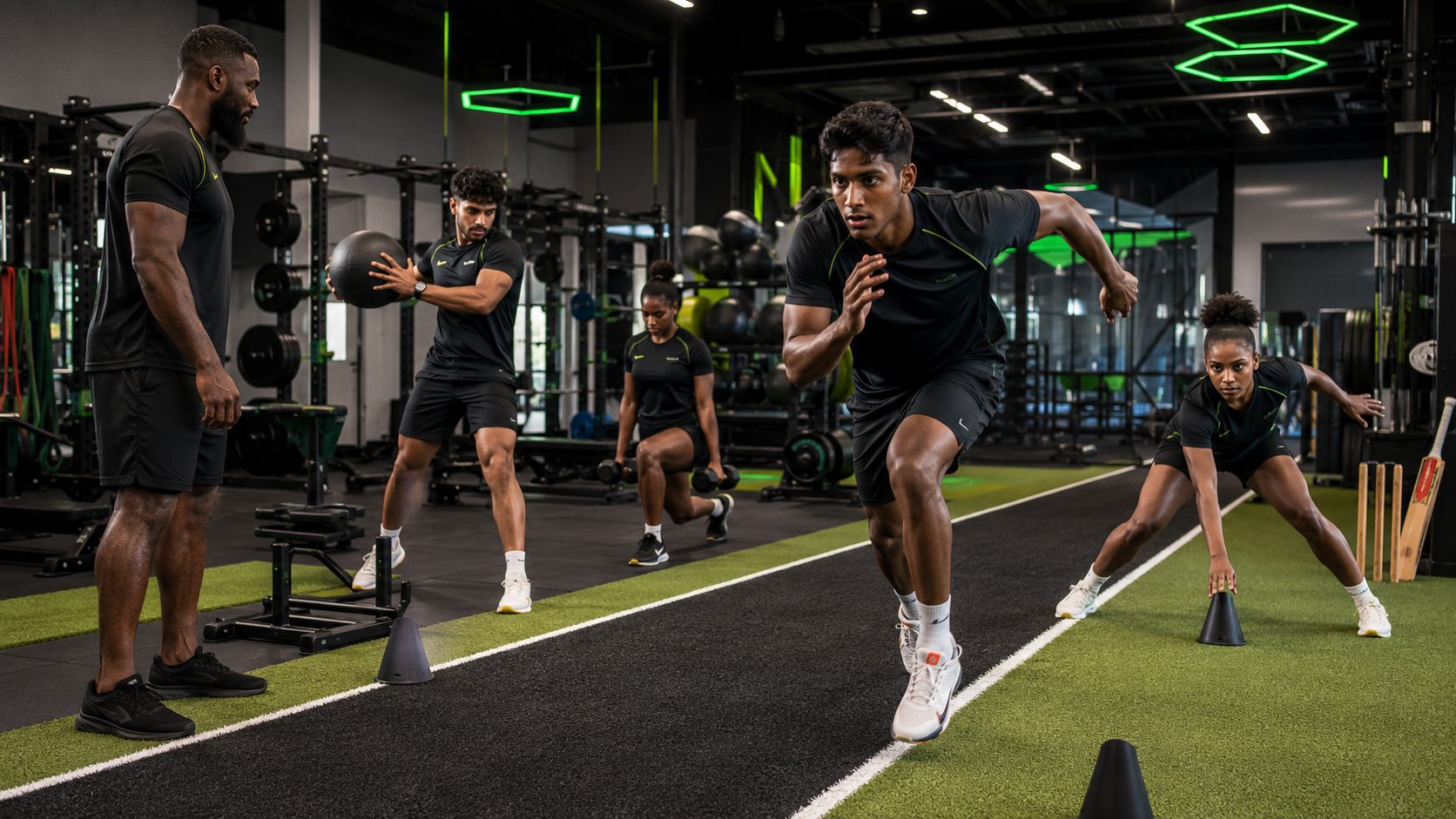
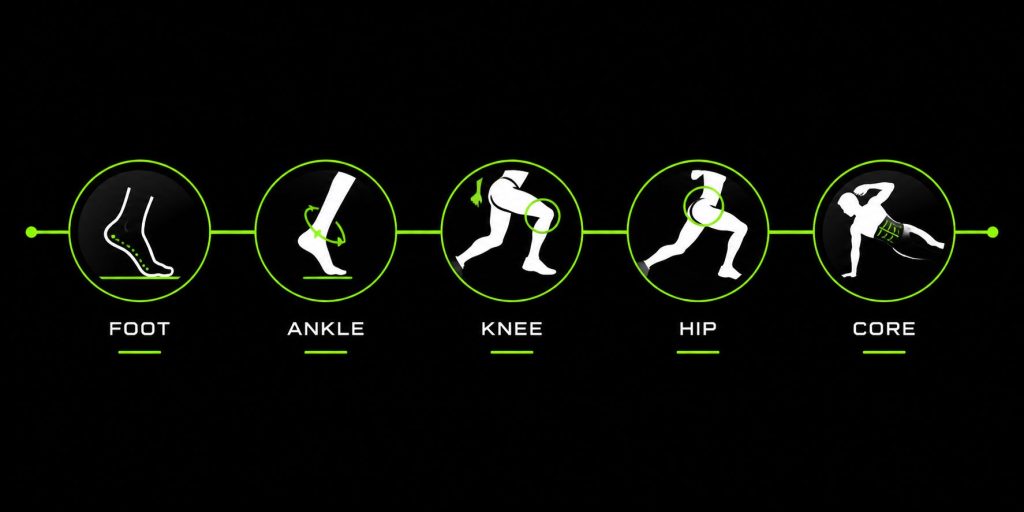
A complete assessment must consider how the foot, ankle, knee, hip, and trunk interact during movement. EvoFitLab’s Four Worlds Movement Framework provides a broader way to understand these connections.
Your Body Works as a Team
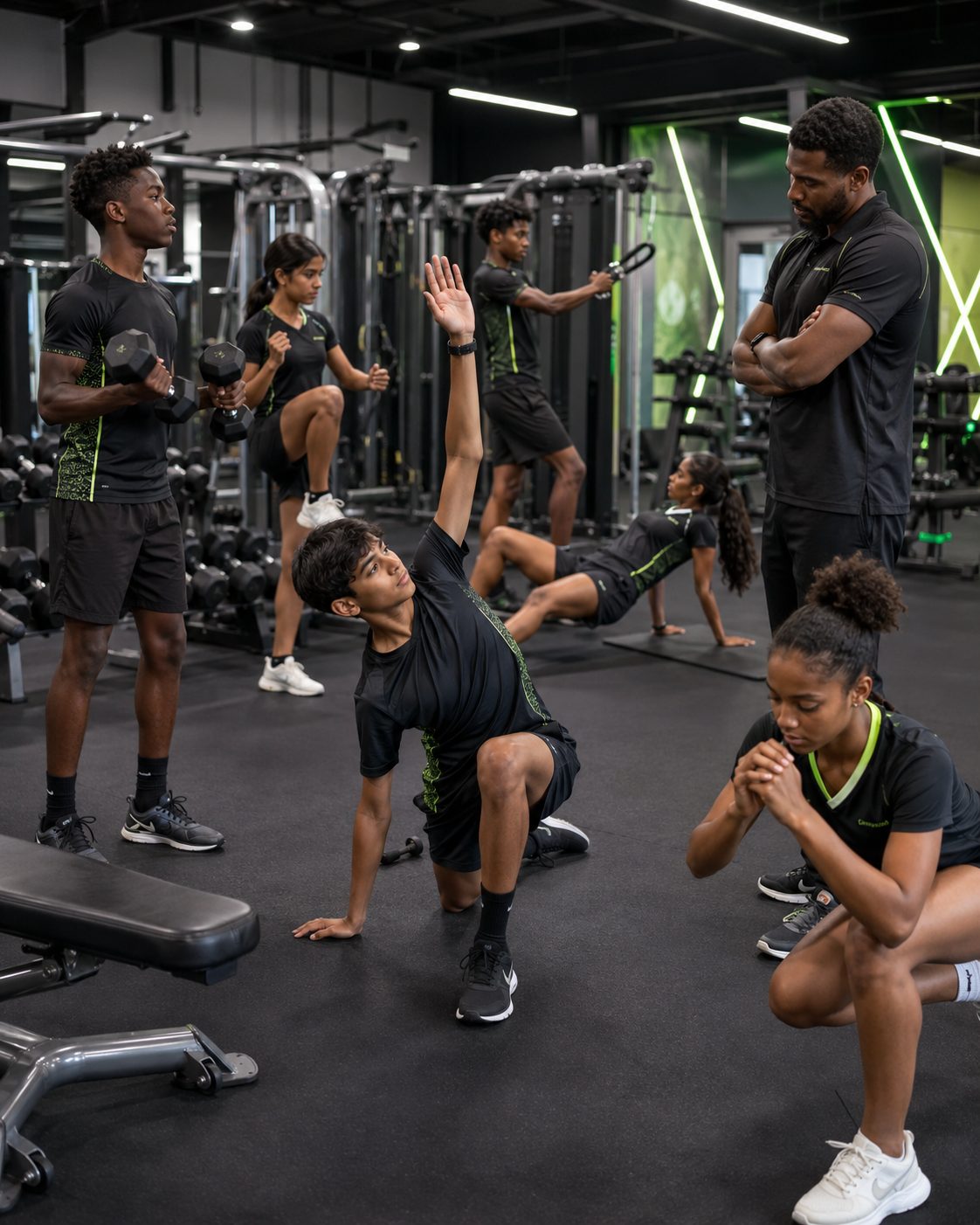
Our bodies do not function as isolated muscles and joints.
They function as an integrated movement system.
When one area becomes weak, stiff, fatigued, or poorly coordinated, another area compensates.
Eventually, that compensation becomes overload.
Overload often becomes pain.
Pain is frequently the body’s alarm system, not necessarily the location of the true problem.
This is why a knee pain assessment should examine the entire movement system instead of focusing only on the painful joint.
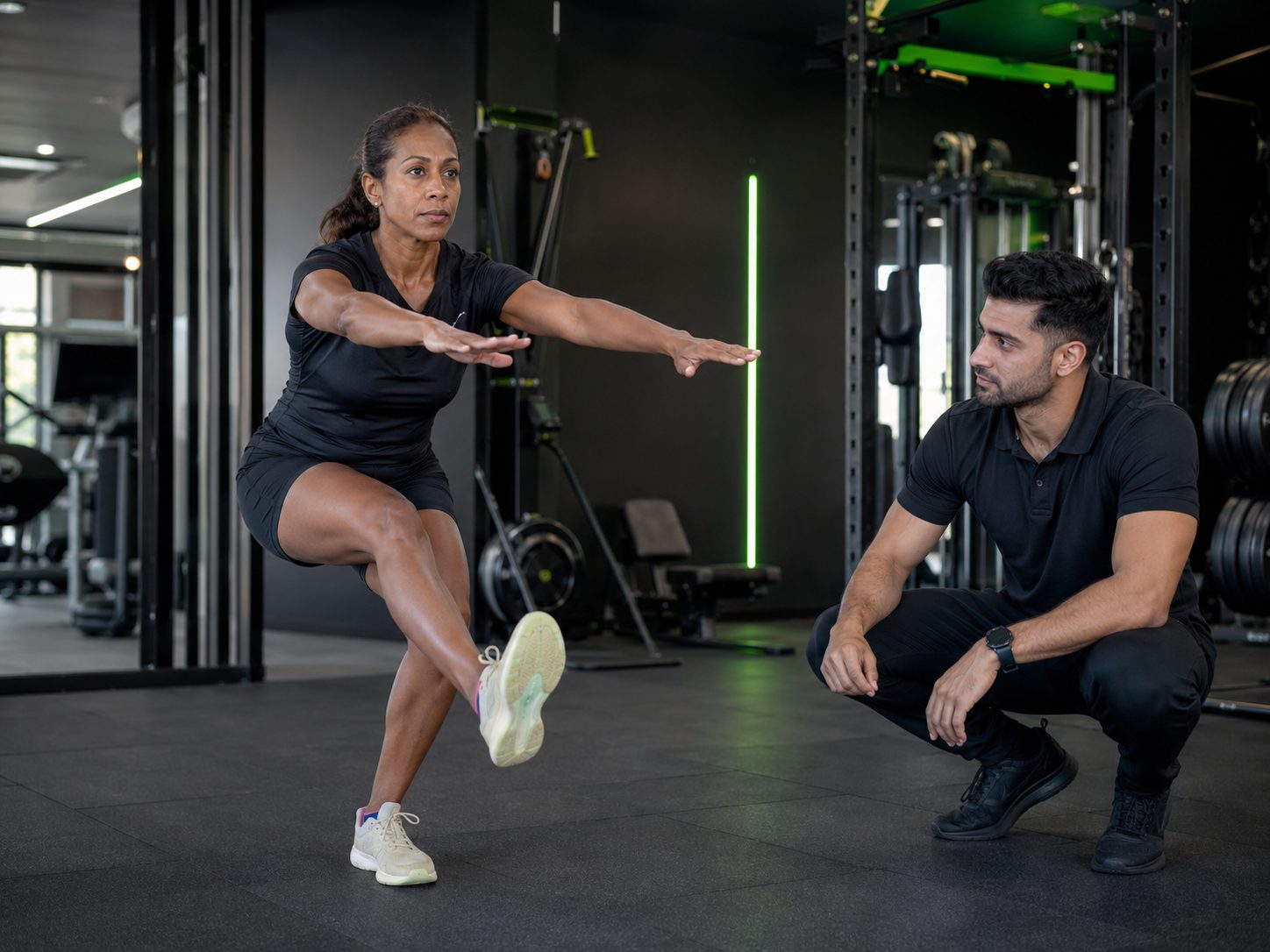
Try This Simple Balance Test
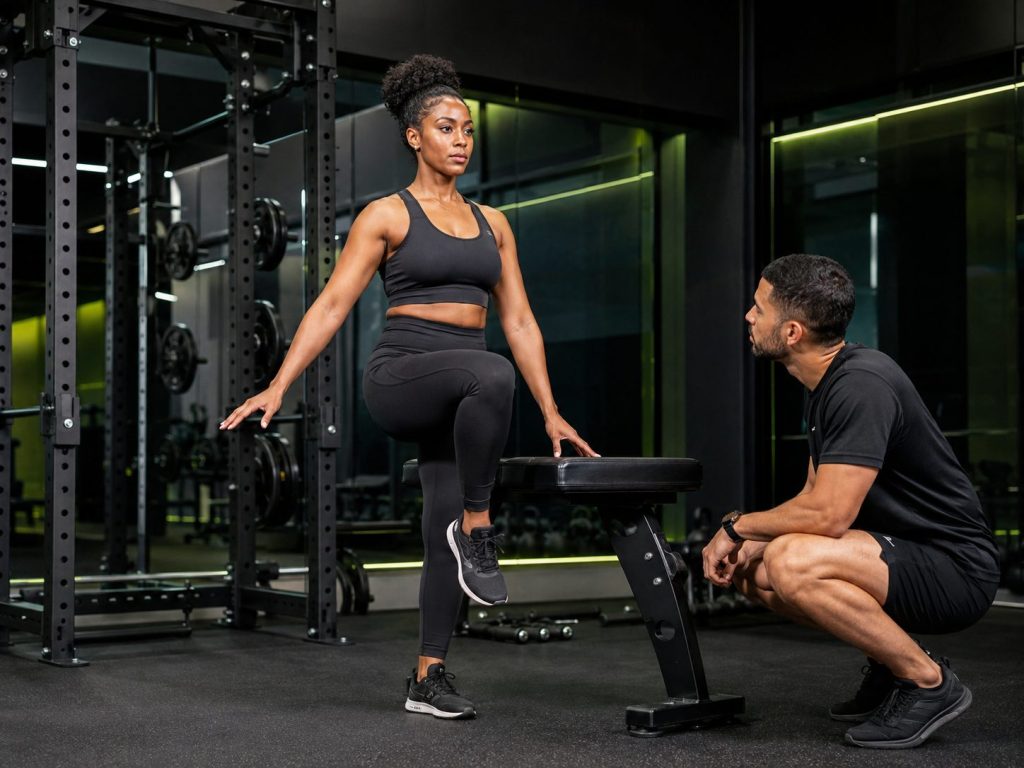
Stand on one leg.
Close your eyes.
Hold the position for 20 seconds.
Now, compare the opposite leg.
Notice:
- Does one side wobble more?
- Do your toes grip excessively?
- Does your hip drop?
- Does your trunk lean?
- Do you lose your balance quickly?
This simple exercise demonstrates that balance is not simply a knee exercise.
It requires coordination between the:
- Foot
- Ankle
- Calf
- Knee
- Hip
- Core
- Nervous system
Every part contributes.
For safety, perform the test near a stable surface that you can hold if you lose your balance.
The Real Question
Instead of asking:
“Which muscle should I strengthen?”
Start asking:
“Which movement relationship am I overlooking?”
Successful rehabilitation is not just about building stronger muscles.
It is about restoring efficient movement, improving load management, enhancing recovery, and teaching the body to work together again.
At EvoFitLab, we do not just treat painful knees.
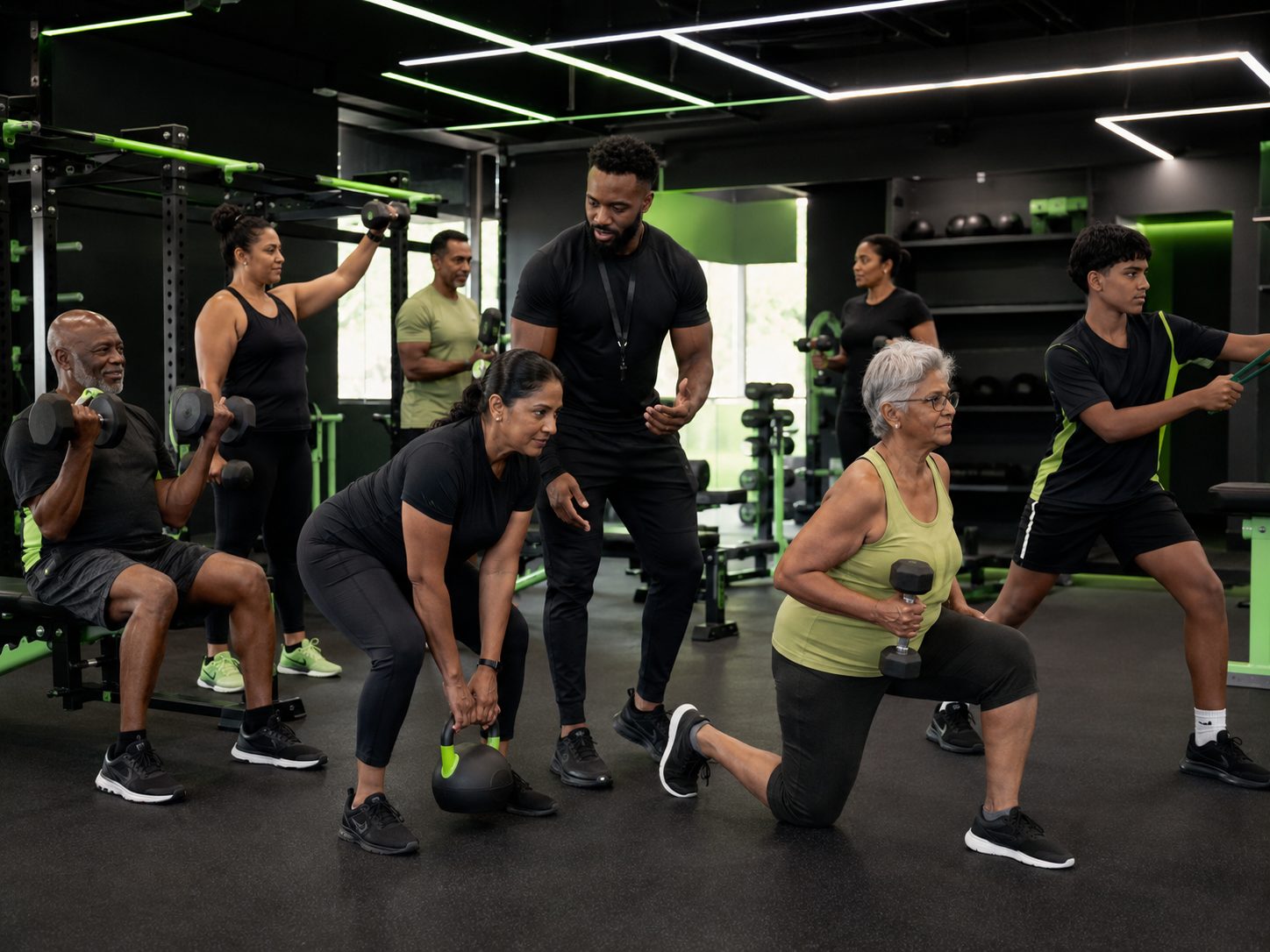
We assess the entire athlete, mover, or active individual because lasting results come from addressing the whole movement system, not just the symptom.
Move Better. Perform Better. Live Better.
Written by Gerard Nicholas, CSCS, BSc Sports Science, Physiotherapist
EvoFitLab
LP14 Pentecostal Road, Tunapuna
Mobile: 305-5482
Email: info@evofitlab.com
Website: www.evofitlab.com