
Understanding and Managing Upper Trapezius Pain in Overhead Athletes
Upper trapezius pain is common in swimmers, cricket bowlers, and rugby fly-halves due to repetitive overhead movements. Left unchecked, this pain limits performance, disrupts scapulohumeral rhythm, and increases injury risk. This guide delivers a conservative, functional approach—grounded in NeuroKinetic Therapy (NKT), strength & conditioning strategies, and clinical reasoning—to resolve upper trapezius pain and restore optimal shoulder mechanics.
Causes of Upper Trapezius Pain in Overhead Athletes
- Muscle Imbalances: Overactive upper trapezius + underactive middle/lower traps and rhomboids
- Poor Thoracic Mobility: Forced compensation through the neck and shoulders
- Neuromuscular Dysfunctions: Inefficient motor control patterns revealed via NKT testing
- Postural Strain: Forward head posture + weak deep cervical flexors
For detailed screening, visit our Physiotherapy Services and see how we integrate scapular dyskinesis evaluation.
1. Assessment & Functional Testing
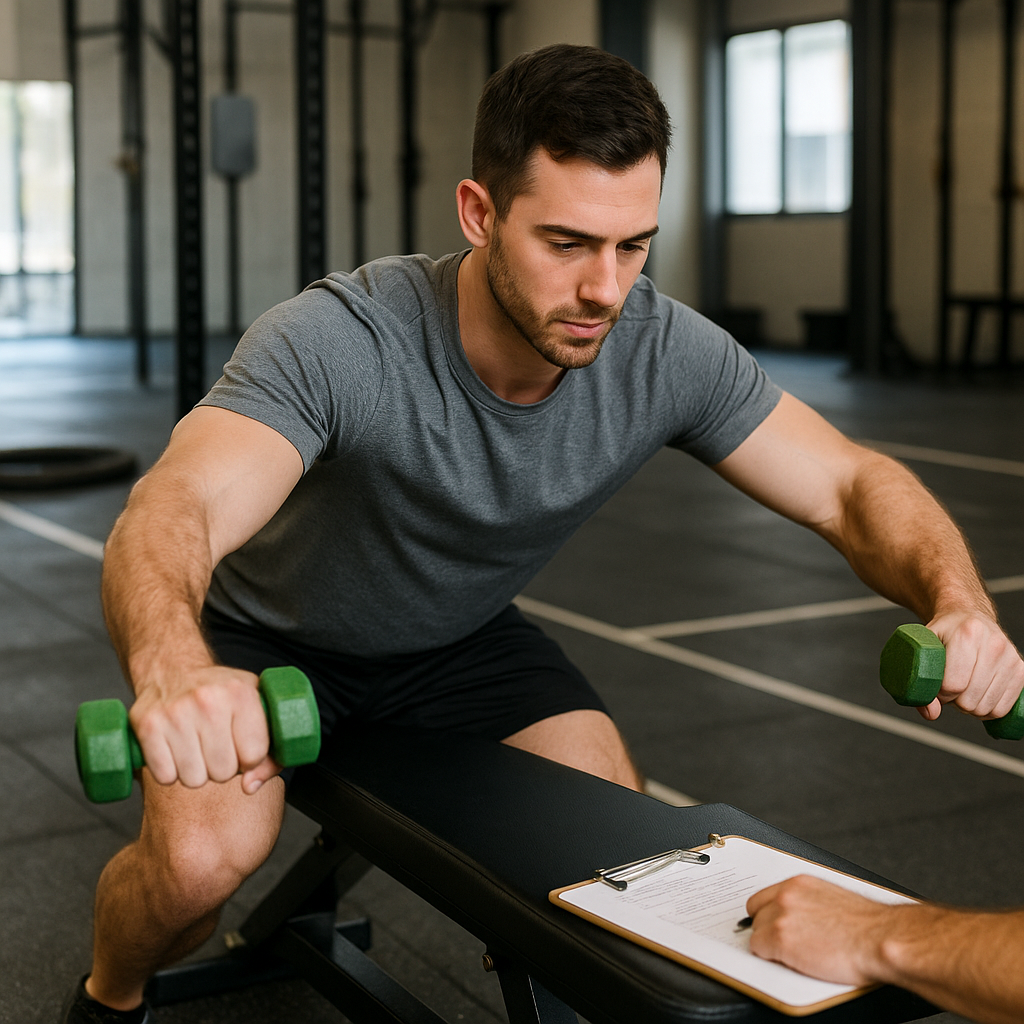
- Manual Muscle Testing (MMT): Middle/lower traps and rhomboids
- Postural Analysis: Cervical and thoracic alignment
- Scapular Dyskinesis Screening: Dynamic observation during overhead raises
- NKT Protocols: Confirm facilitated (overactive) and inhibited (underactive) muscles

2. Soft-Tissue Release for Upper Trapezius Pain
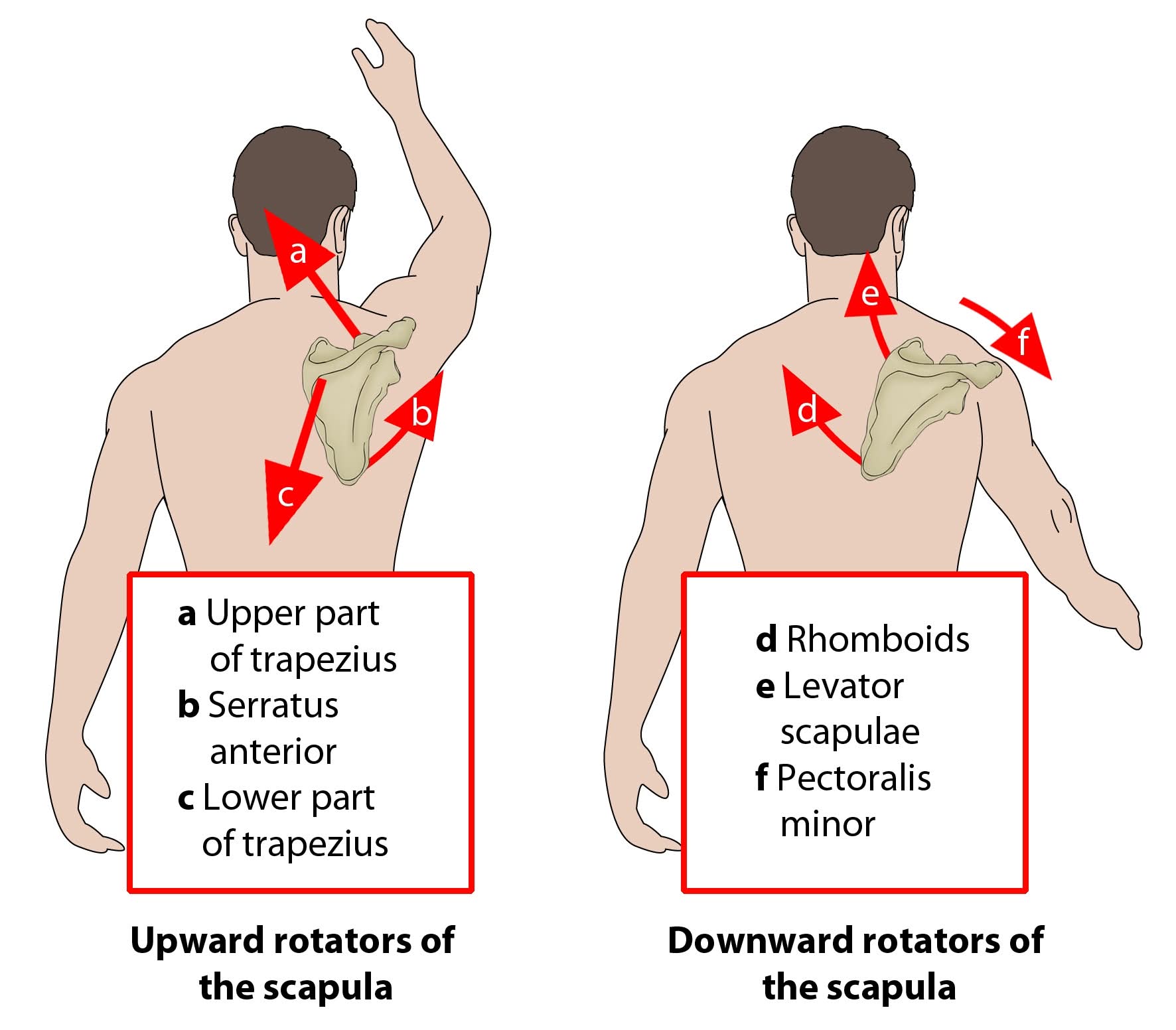
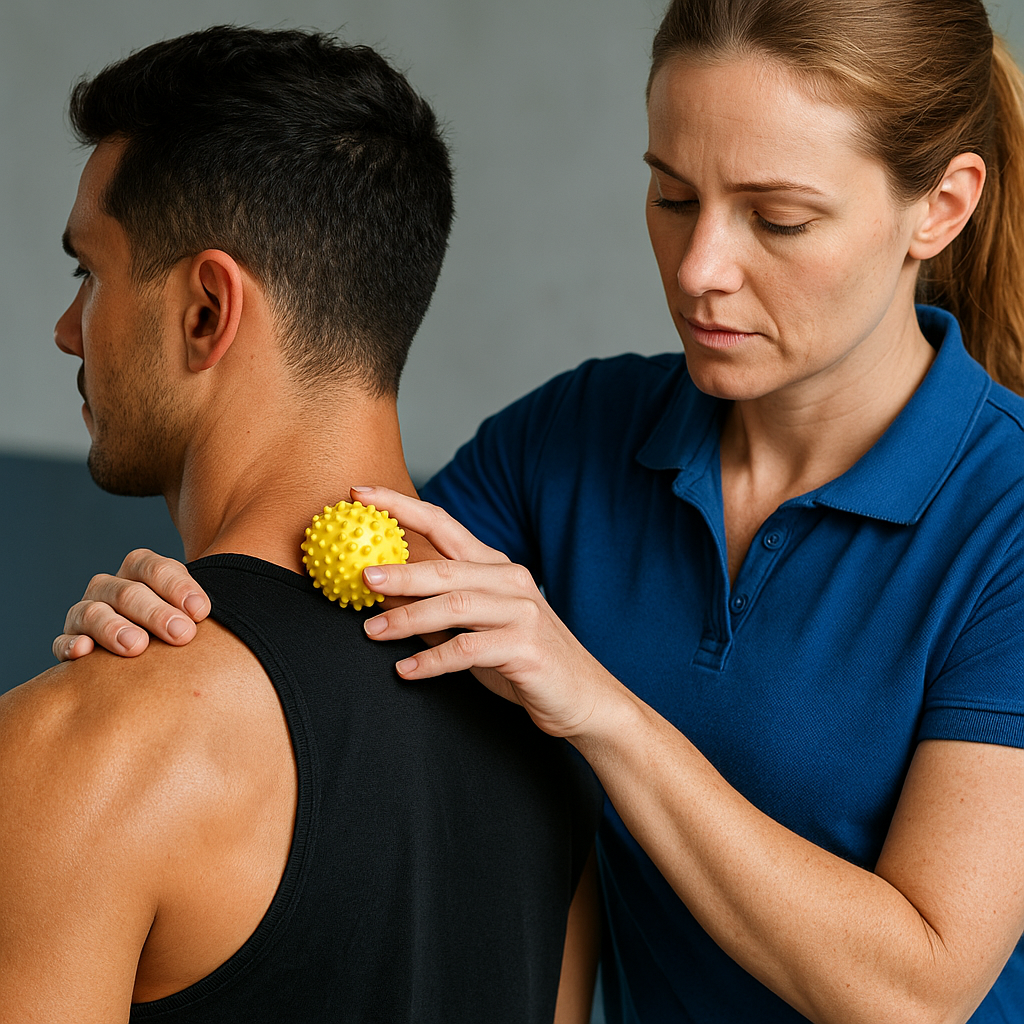
- Myofascial Release: Upper trapezius, levator scapulae, pectoralis minor
- Instrument-Assisted Soft Tissue Mobilization (IASTM): If adhesions are present
- Cervical Soft-Tissue Techniques: Address forward-head posture strain
3. Neuromuscular Re-education
- Retrain inhibited muscles using NKT sequences
- Focus on proper scapular sequencing, not just isolated strengthening
- Emphasize motor-control drills before loading
Recommended resources: NSCA articles on scapular control
4. Strengthening & Activation Exercises
Early Phase (Motor Control & Activation)
- Prone Y’s & T’s (2×15)
- Quadruped Scapular Retraction (3×10)
- Scapular Clocks Against Wall (2×8 directions)
- Serratus Anterior Wall Slides (3×12)
Mid Phase (Progressive Loading)
- Prone IYT Complex (3×10 each)
- Banded Rows with Scapular Focus (3×12)
- Wall Angels + Deep Neck Flexor Hold (3×8)
Advanced Phase (Functional Integration)
- Overhead Kettlebell Carries (2×30 s)
- Plyometric Scapular Drills (lateral throws, 2×8)
5. Posture & Ergonomic Coaching
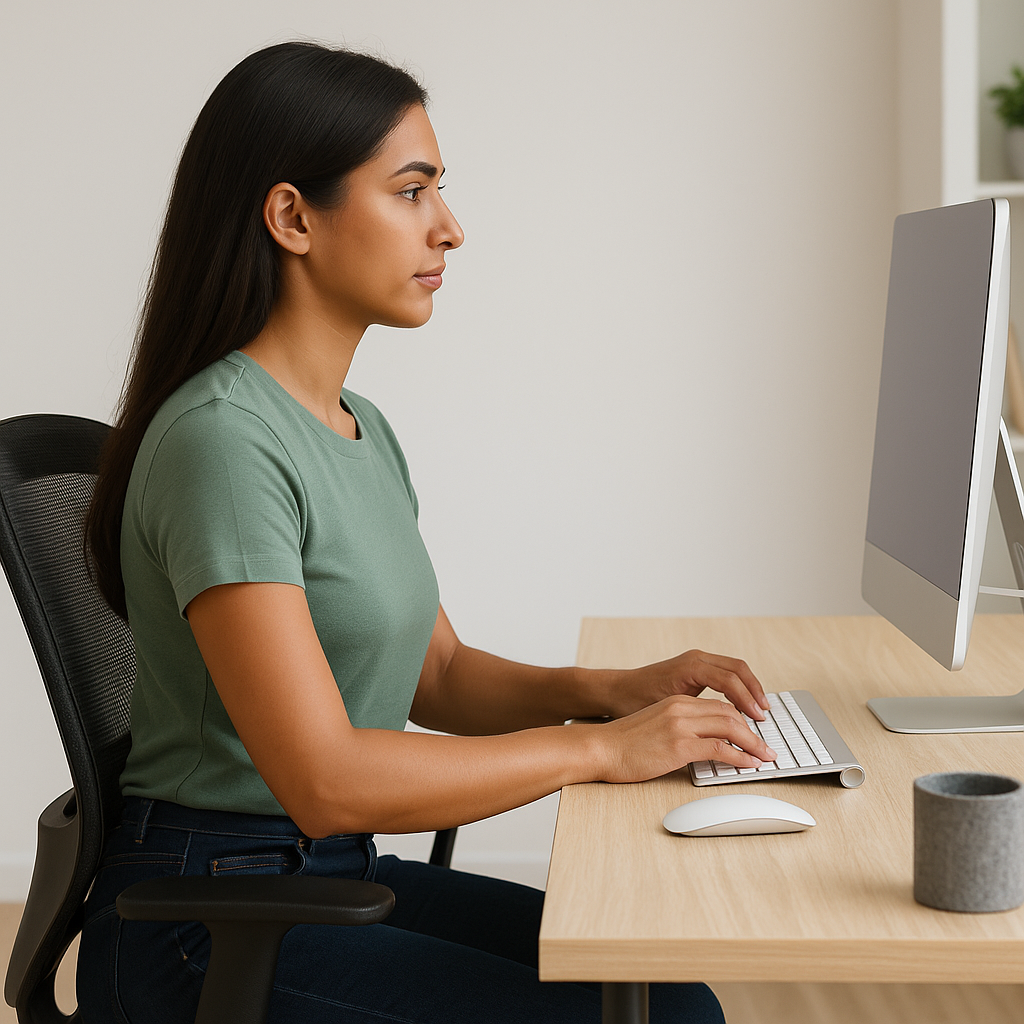
- Reinforce neutral head and thoracic alignment during daily activities
- Educate on desk posture: monitor at eye level, shoulders relaxed
- Promote active recovery: neck stretches, mobility flows
Key Takeaways
- Upper trapezius pain reflects compensatory patterns, not just muscle tightness.
- Use NKT to identify neurological origins.
- Prioritize motor control before strength.
- Combine soft-tissue release, activation, strengthening, and ergonomic coaching for sustainable recovery.
FAQ
Q: How soon can athletes expect relief?
Neuromuscular re-education and soft-tissue release often reduce pain within 1–2 weeks.
Q: Can overhead athletes continue training?
Yes—modify volume and avoid exacerbating pain patterns; emphasize rehab drills.
Q: When to refer to a specialist?
If pain persists beyond 4 weeks or if neurological symptoms arise, refer to a sports physician.
Ready to Resolve Upper Trapezius Pain?
At EvoFitLab, our physiotherapists and S&C coaches collaborate to deliver tailored rehab and performance plans.