
Diaphragm Shoulder Alignment Fix
That “one-shoulder-higher” look often blamed on traps or scoliosis can start much deeper: your diaphragm. When one hemidiaphragm is tight, weak or overactive, it twists the rib cage, recruits accessory neck muscles and literally hikes a shoulder.PMC This guide explains why it happens and shows you how to correct it in six weeks.
How the Diaphragm Controls Posture
Breathing muscle, core stabiliser
The diaphragm attaches to T6-T12 vertebrae, lower ribs and the central tendon, creating intra-abdominal pressure that stiffens the spine and balances rib motion.PMC
When balance is lost
- Rib-cage shift – asymmetric diaphragm tone rotates ribs, altering scapular resting height.PhysiopediaHealio Journals
- Accessory-muscle overuse – scalenes, SCM and upper traps dominate breathing, chronically elevating one shoulder.Healio JournalsPMC
- Fascial chains – diaphragmatic fascia links to psoas and QL; imbalance travels to thoracolumbar and cervical regions.yoganatomy.comSpringerLink
Spot the signs: shoulder height difference, rib flare on one side, neck tightness after cardio, shallow chest breathing.
Other Common Contributors
| Factor | How it elevates a shoulder |
|---|---|
| Scoliosis | Rotates thoracic cage & scapulae |
| Leg-length discrepancy | Tilts pelvis → compensatory rib shift |
| Unilateral sports (tennis, cricket bowling) | Hypertrophy + repeated overhead load |
| Old clavicle / AC injury | Protective posture becomes habitual |
6-Week Breathing-to-Strength Program
Perform 3 sessions / week — 30-45 min
| Phase | Key Drills (3×10 breaths or 2×12 reps) | Focus |
|---|---|---|
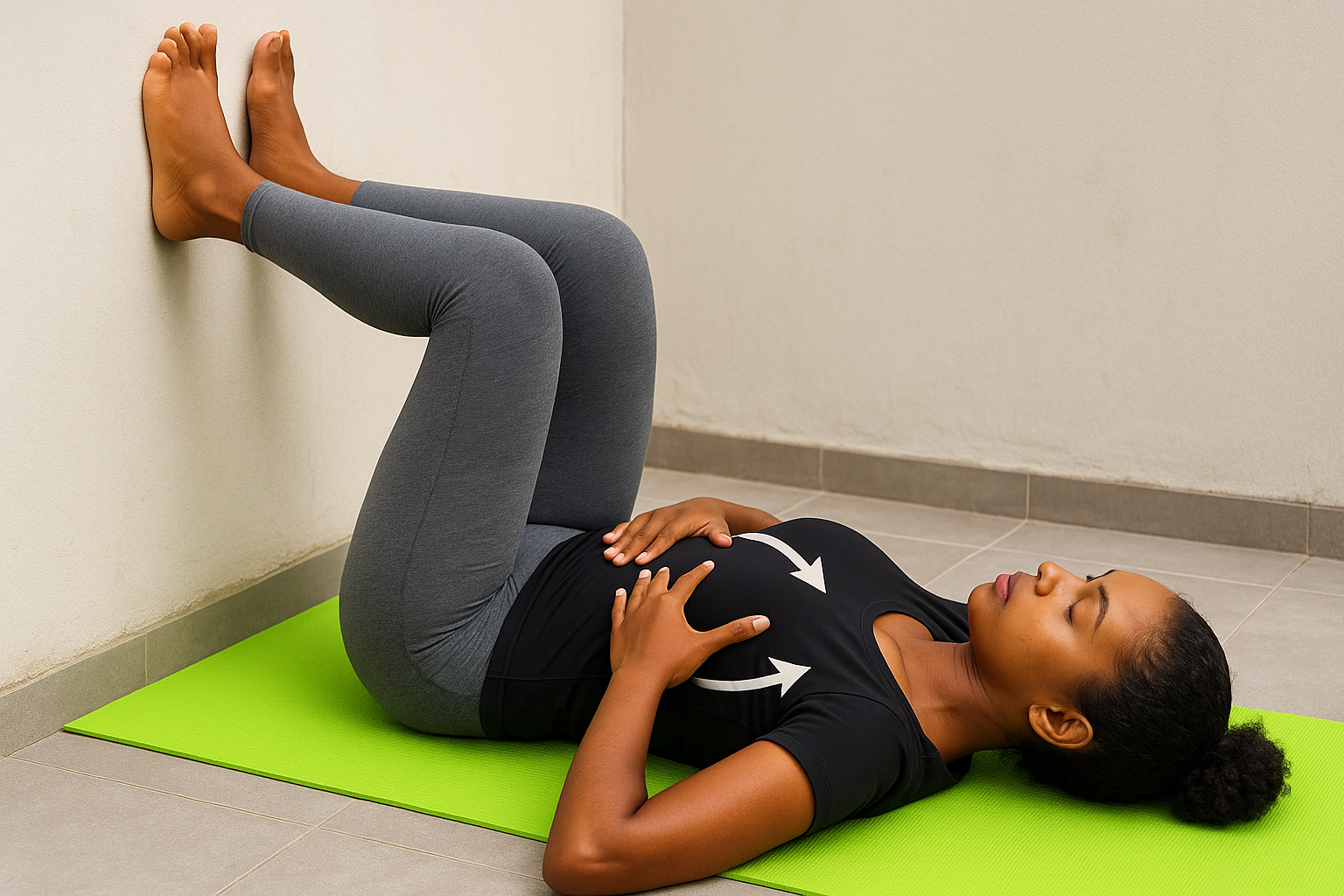
| Weeks 1-2 | 90/90 pelvic-tilt breathing, wall-supported zone-of-apposition drill, soft-tissue release of upper traps | Restore bilateral diaphragm activationPhysiopedia |
| Weeks 3-4 | Side-lying rib expansion, quadruped rock-backs, side plank + diaphragmatic breaths | Integrate rib control & core stabilityPMC |
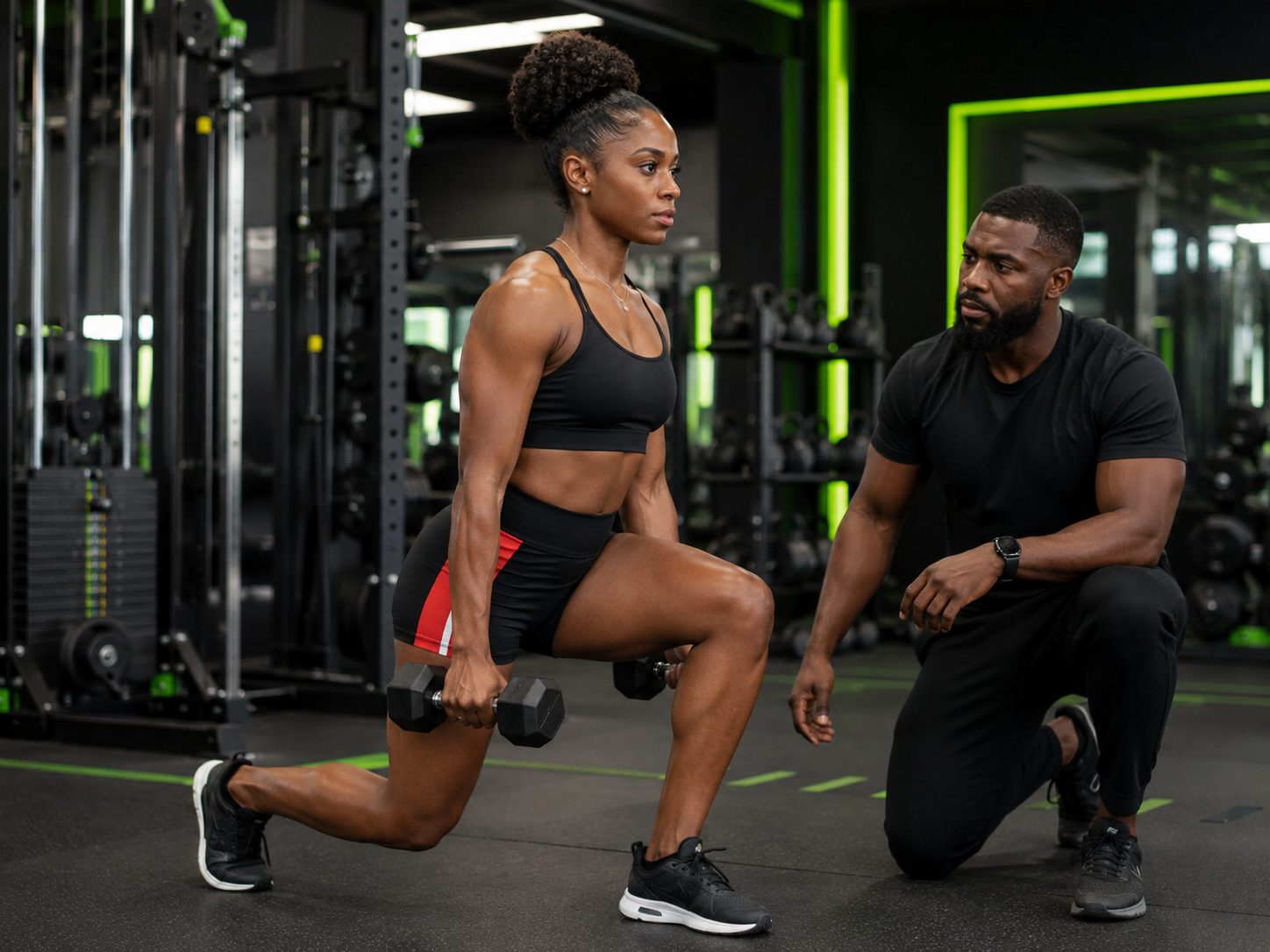
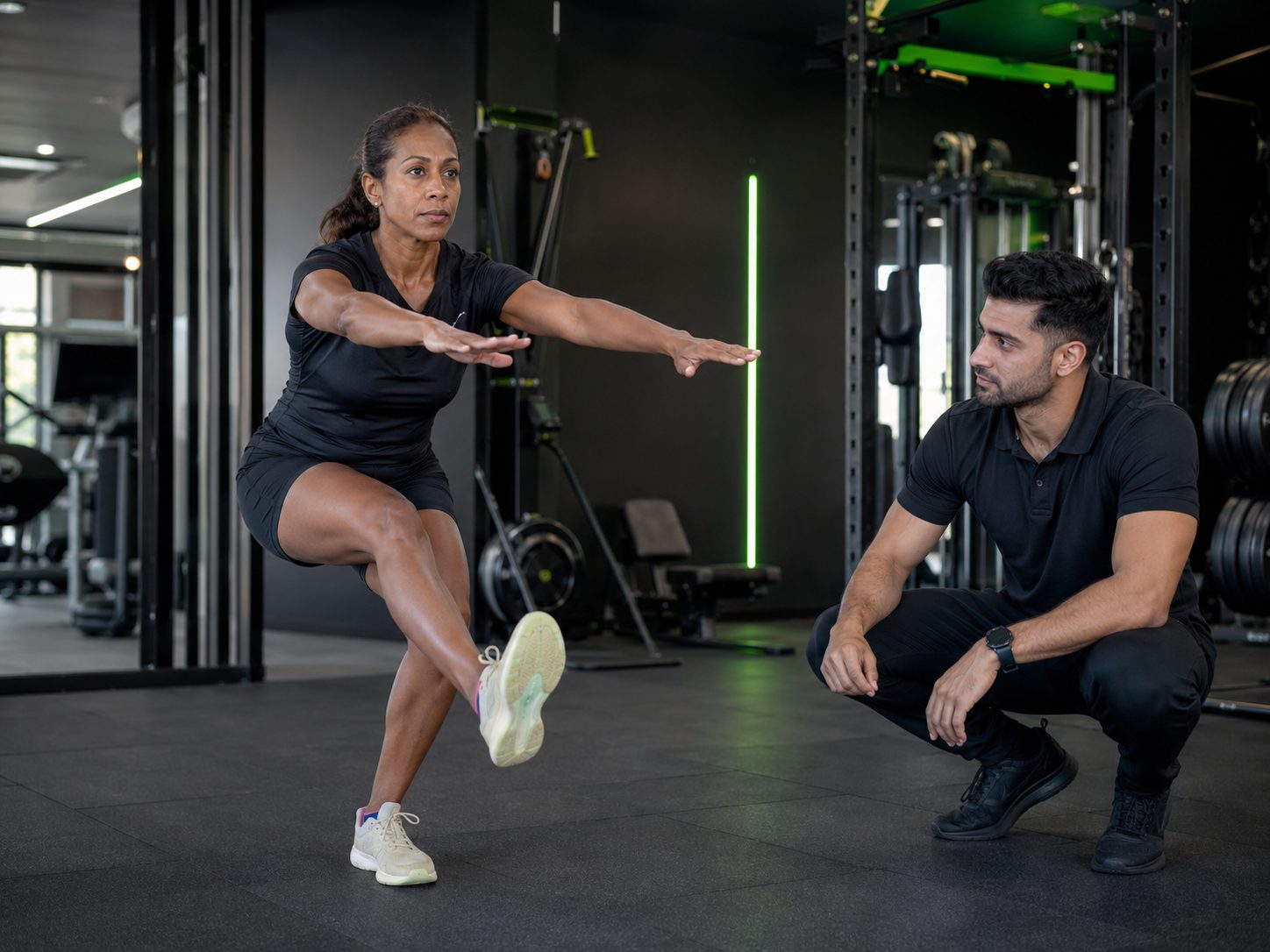
| Weeks 5-6 | Split squat + arm reach, kettlebell suitcase carry, landmine press with exhale | Symmetric loading & scapular controlMDPI |
Track progress with the EvoFitLab habit sheet and log rib-cage symmetry photos each week.
Performance Pay-offs
- Stronger lifts – restored intra-abdominal pressure raises squat & overhead stability.PubMed
- Lower neck/shoulder pain – reduced accessory-muscle overuse.PMC
- Better endurance – efficient diaphragm lowers respiratory rate at sub-max work.PMC
When to Seek Professional Help
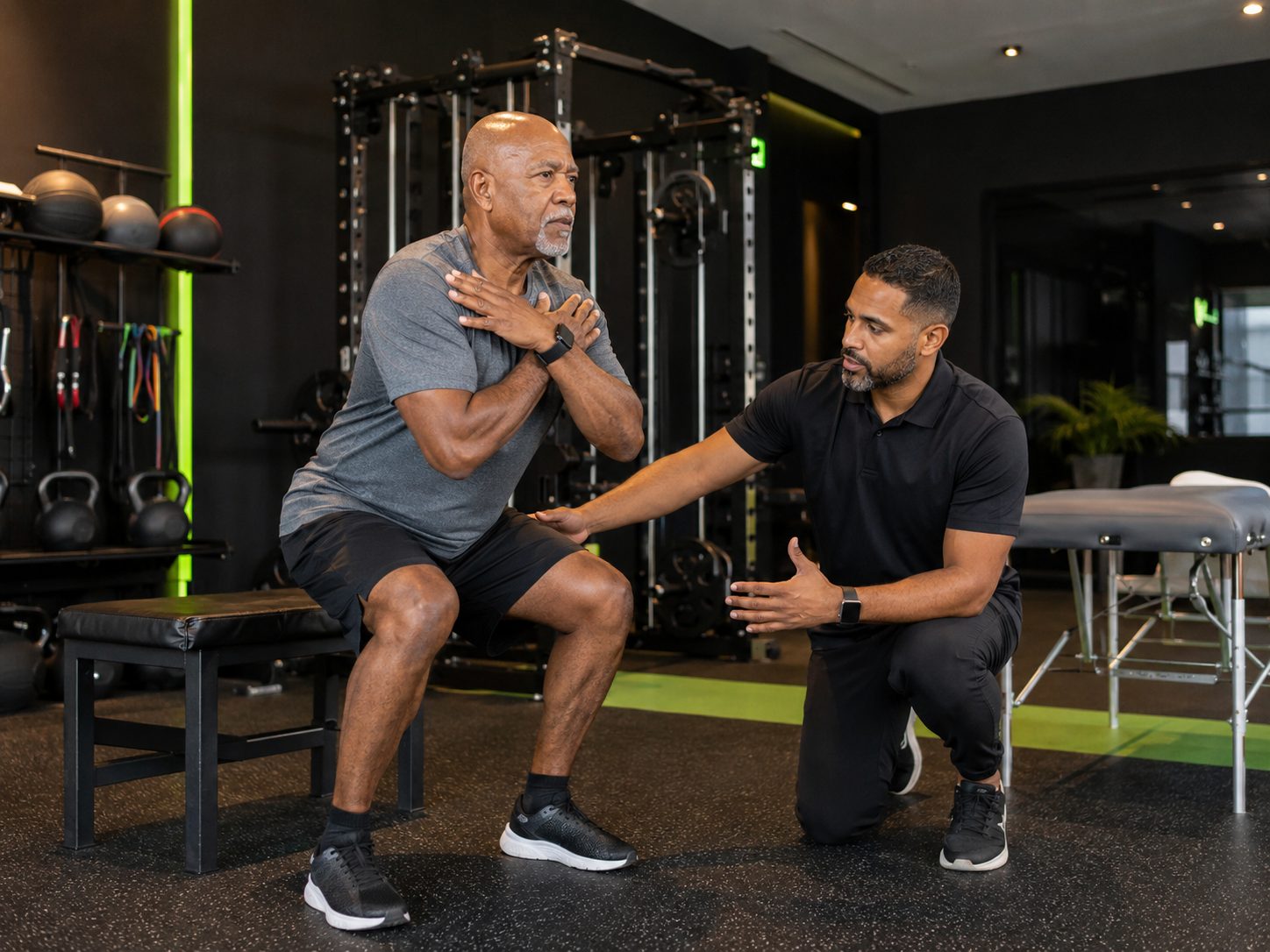
Persistent high-shoulder posture plus pain, breathing difficulty or scoliosis suspicion warrants a physiotherapy assessment—contact EvoFitLab’s clinic in Tunapuna for a rib-cage and breathing screen.

Conclusion
Your diaphragm doesn’t just move air; it moves shoulders. Follow the six-week Diaphragm Shoulder Alignment plan and watch your ribs level, traps relax and performance climb.
Written by Gerard Nicholas, CSCS, BSc Sports Science, Physiotherapist