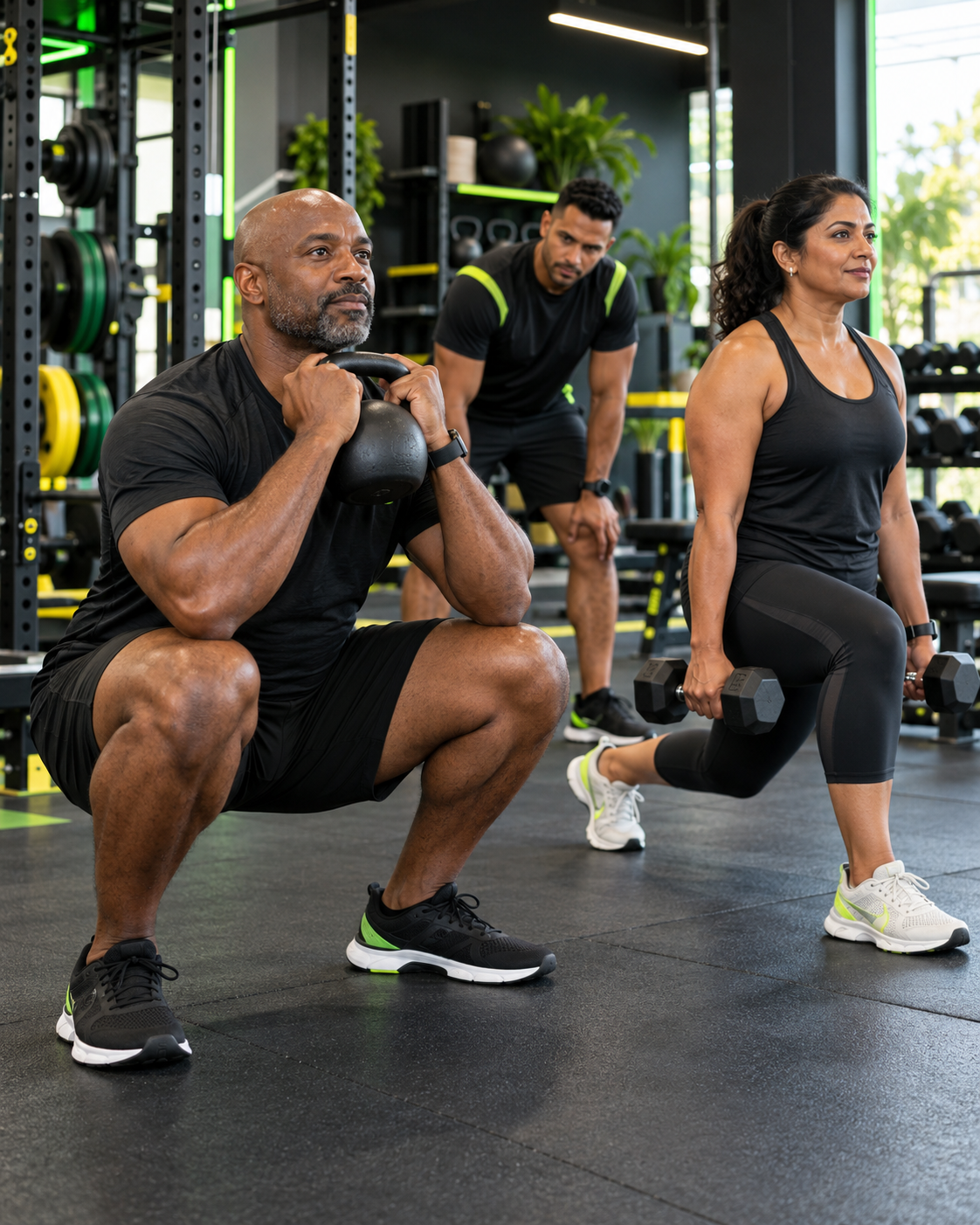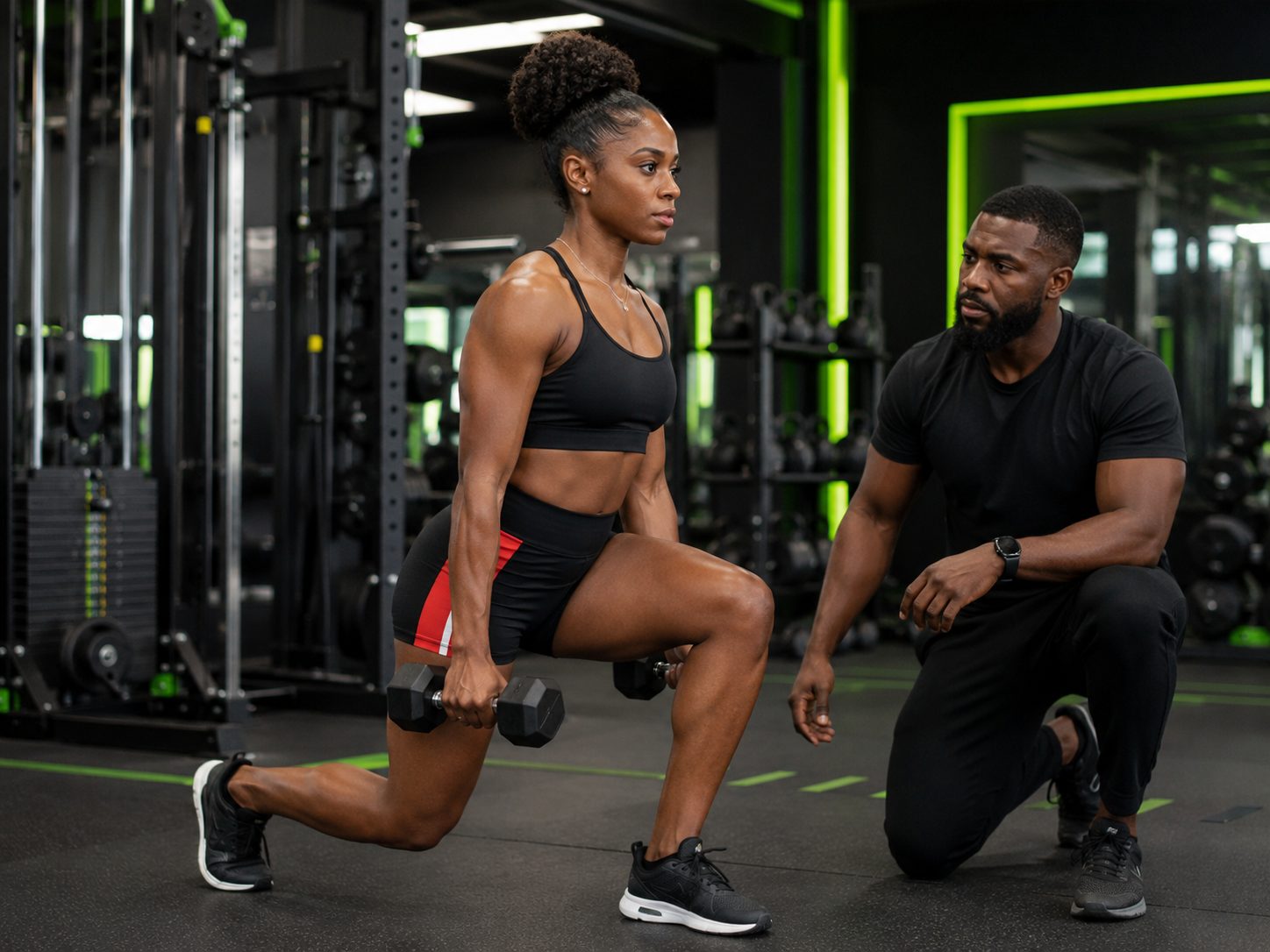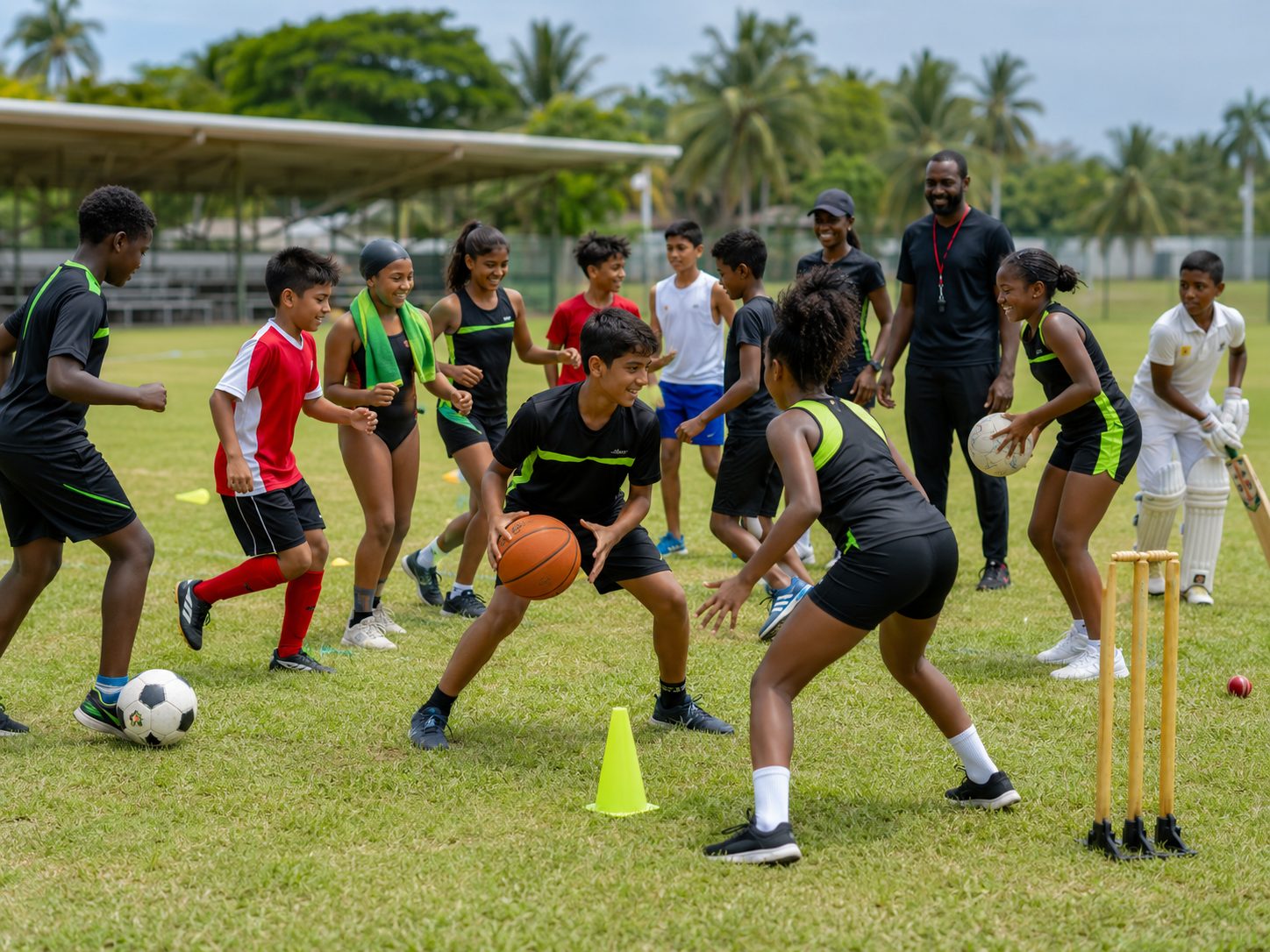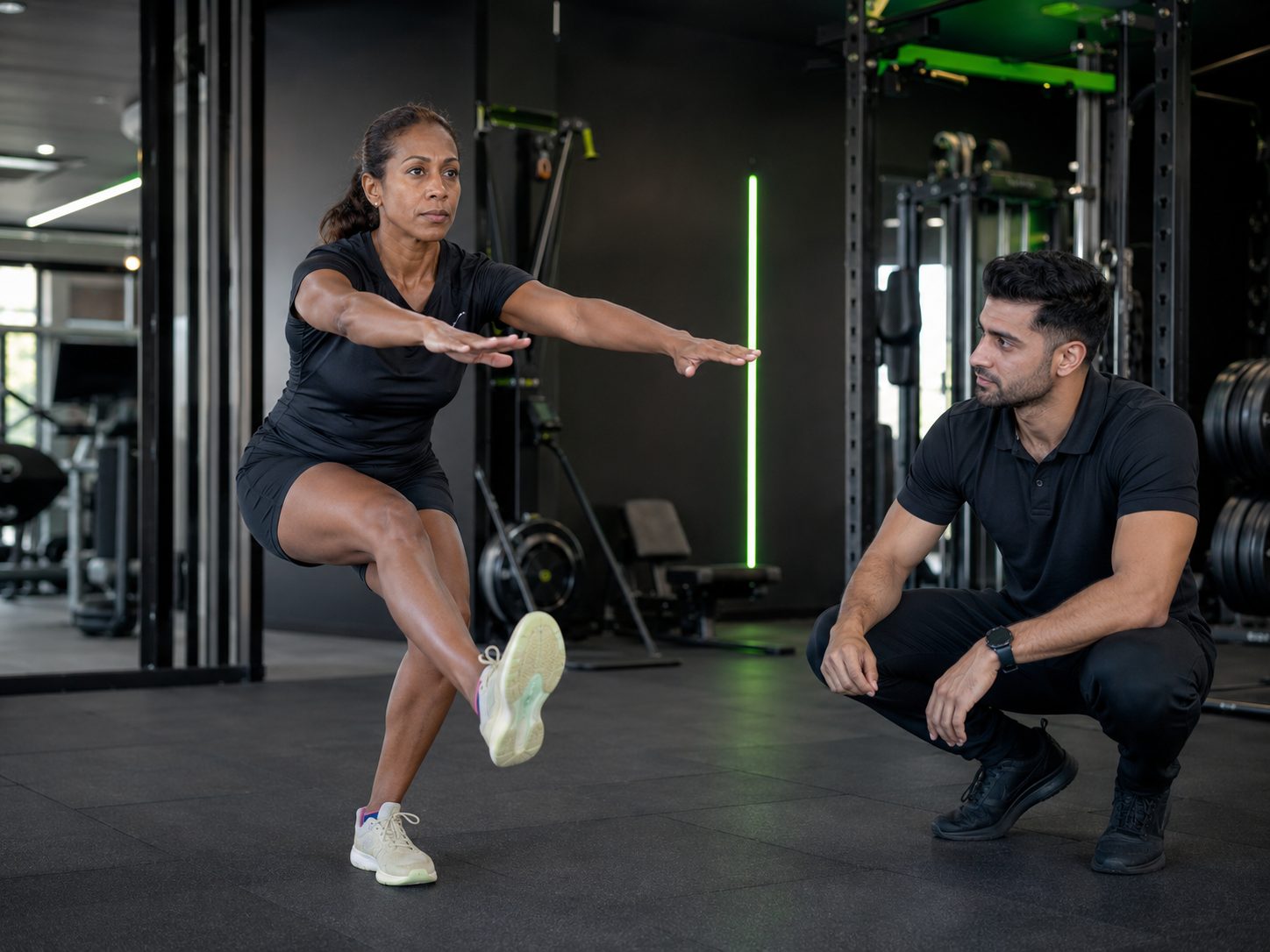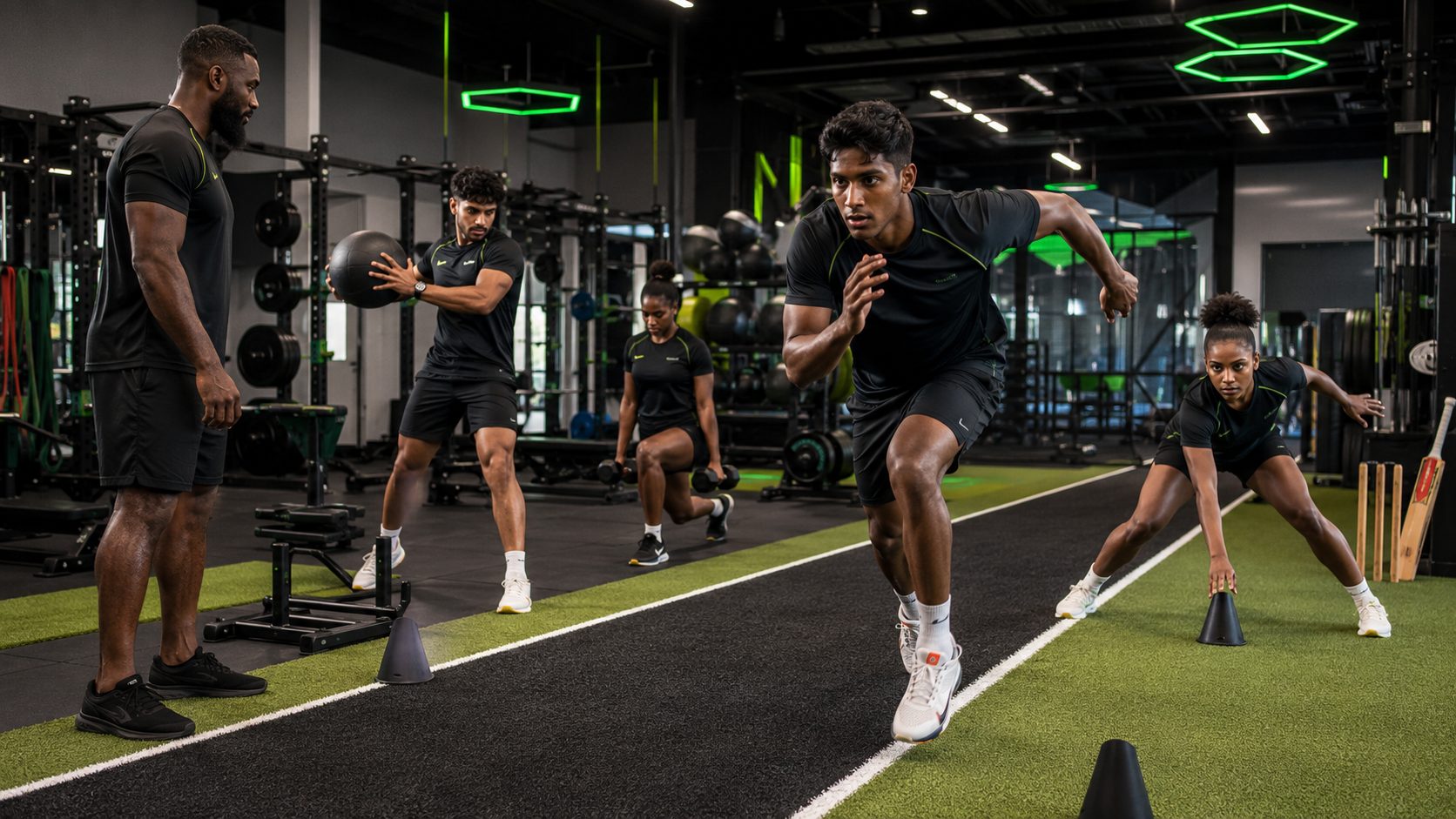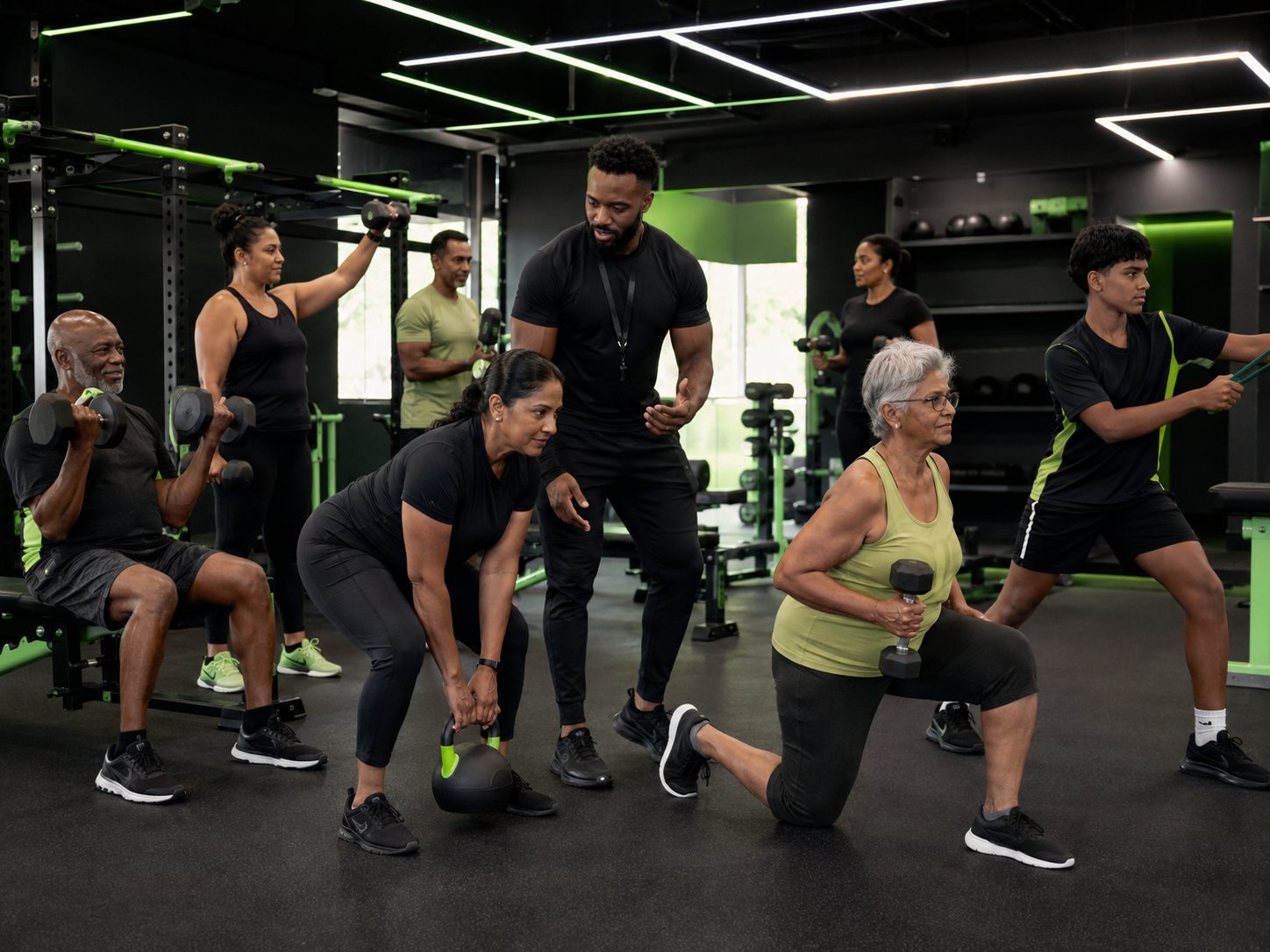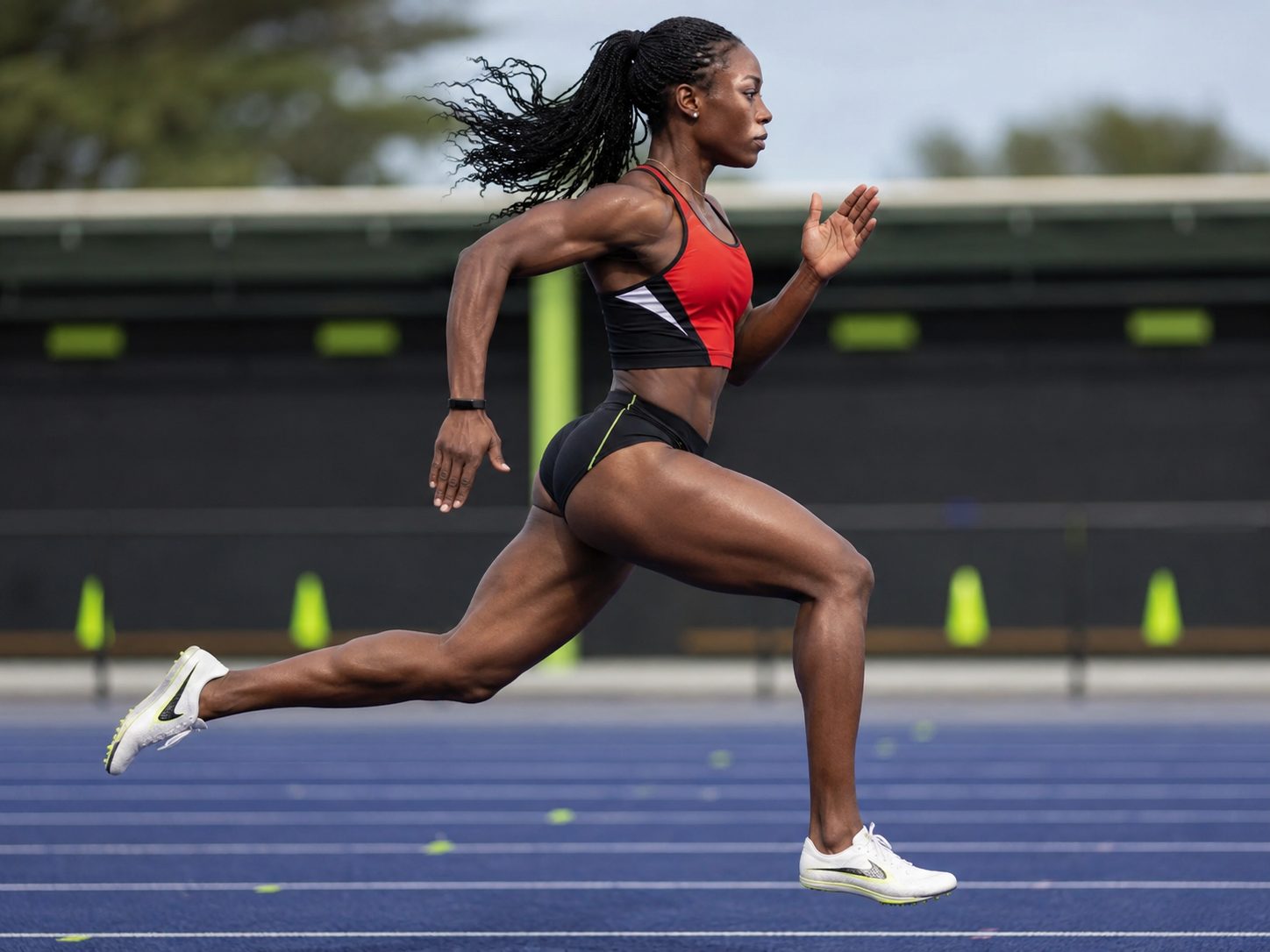

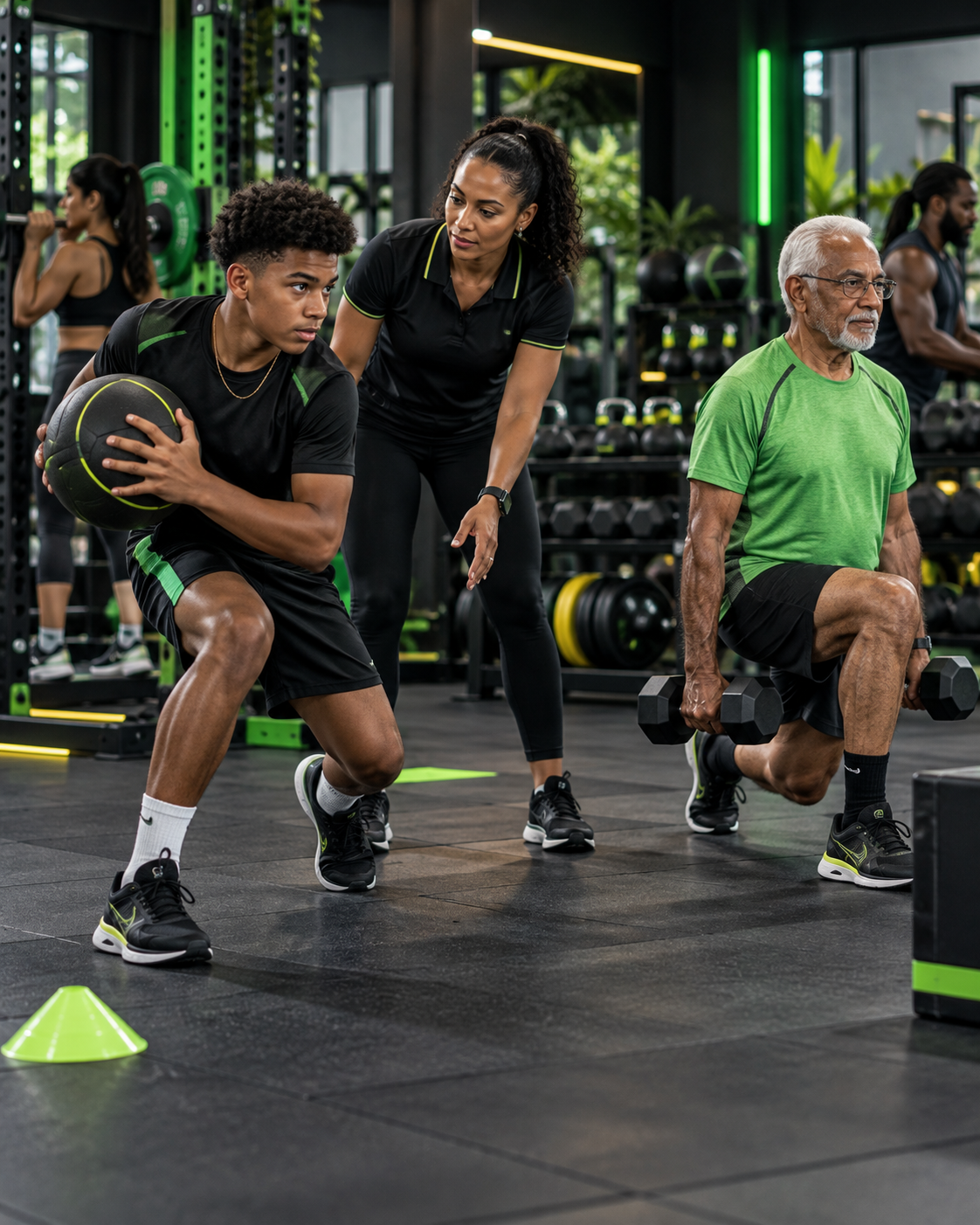
At EvoFitLab, we believe strongly that every exerciser is an athlete.
That does not mean everyone needs to train like a professional athlete. It means that every person deserves to develop the physical qualities that allow them to move, perform, adapt, and function better.
Strength. Balance. Agility. Coordination. Reaction. Power. Speed.
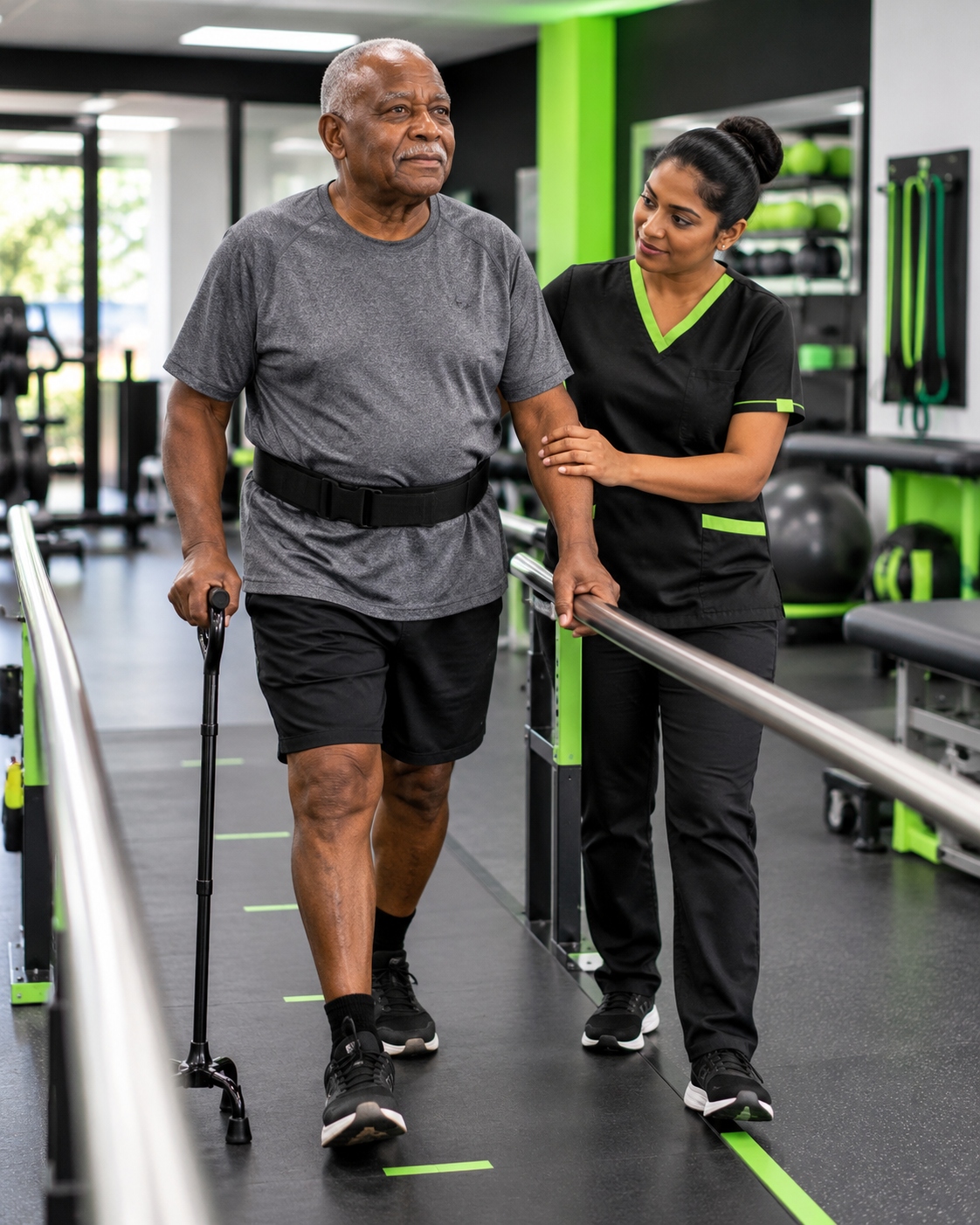
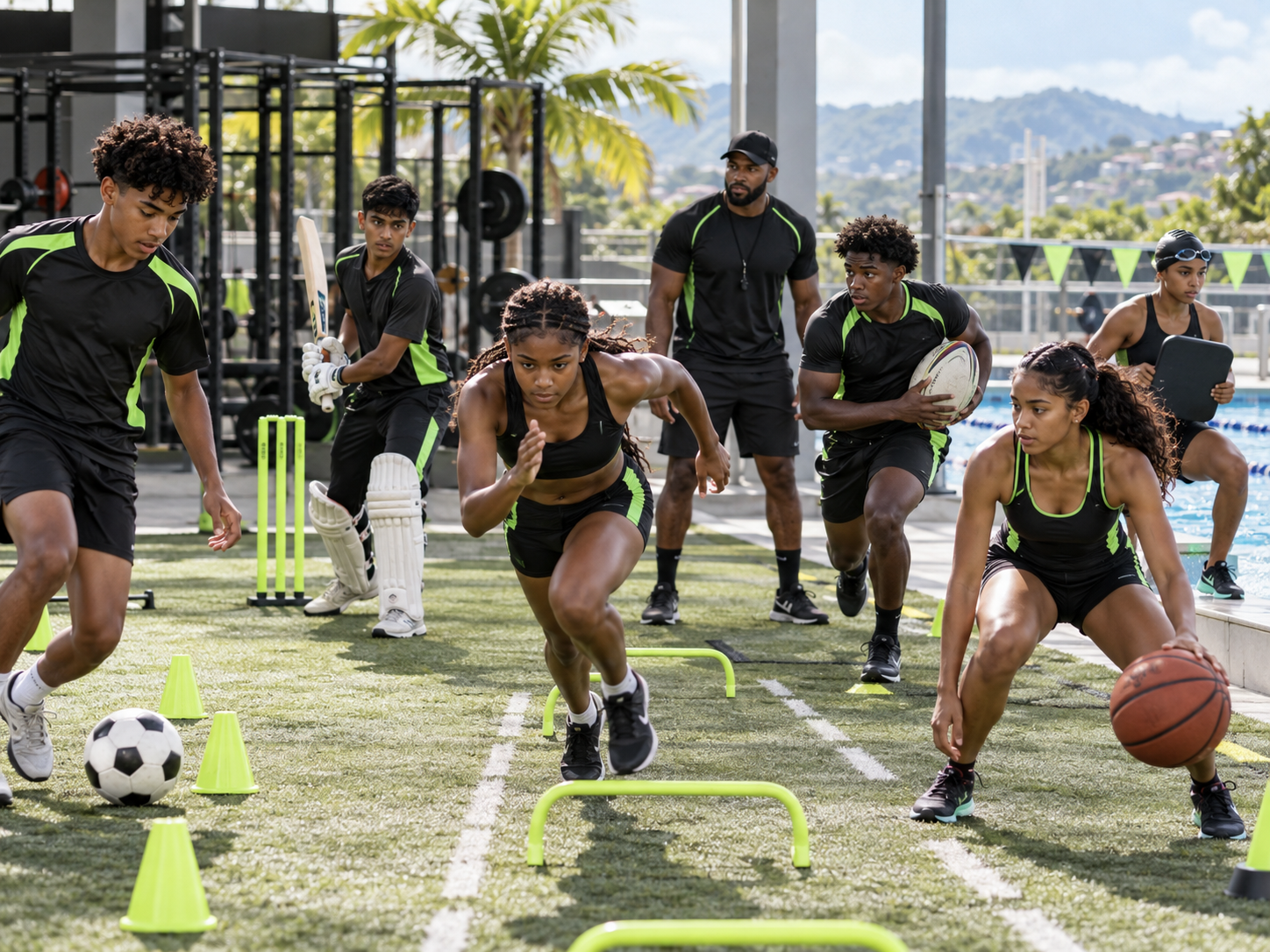
These qualities matter whether you are a 15-year-old preparing for a high school team, a recreational athlete, or a 70-year-old working to remain independent and reduce the risk of stumbling and falling.
The principles are universal. The prescription is not.
Exercise Is About More Than Getting Tired
One of the biggest mistakes in exercise programming is assuming that a good workout is simply one that leaves you exhausted.
Strength and conditioning is not about making everyone perform the same exercise at the same intensity. It is about selecting the right movement, the right load, the right speed, the right range of motion, the right volume, and the right progression for the individual.
In other words, we have to respect the exercise dose.
Two people can perform the same exercise while having completely different training objectives.
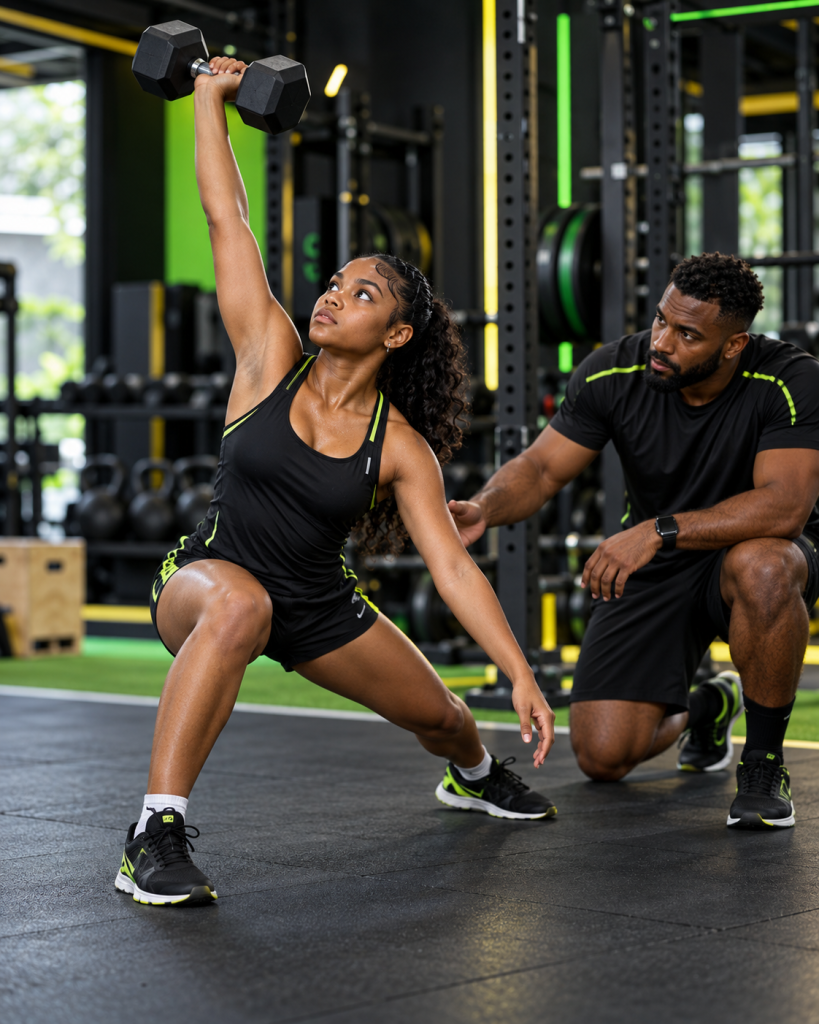
Consider a diagonal snatch.
For a 14- to 19-year-old athlete, we may initially teach the movement slowly. The goal is to establish body awareness, coordination, posture, control, and technical competency.
Once the athlete demonstrates sufficient control, we can progressively introduce greater speed and explosiveness. We may also challenge the athlete with appropriate changes in range of motion, foot position, stance, load, or complexity.
These principles are consistent with youth resistance training guidance, which emphasizes appropriate supervision, technique, and progression.
The exercise becomes a tool for developing athletic qualities.
But that same movement may need to look very different for an older adult.
Athletic Training Does Not Have an Age Limit
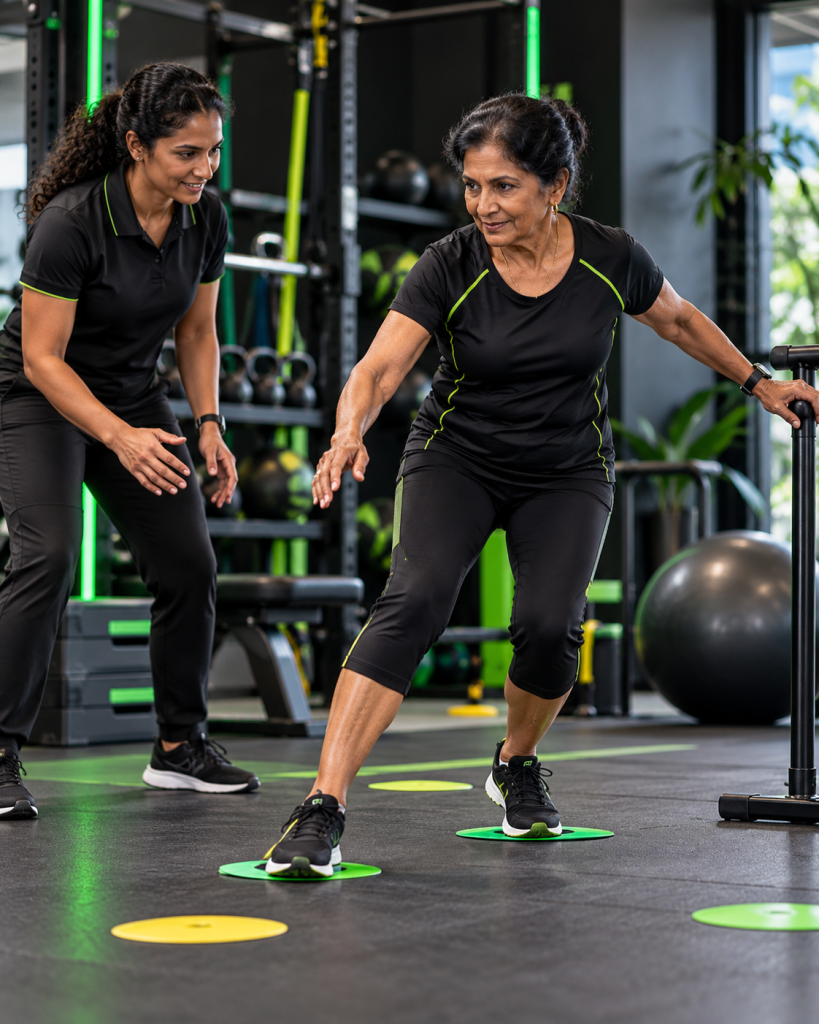
An older adult may still benefit from functional athletic movements.
In fact, developing the ability to produce force quickly can be extremely important as we age.
Why?
Because everyday life is unpredictable.
You may trip over a curb. Your foot may catch on a step. You may lose your balance while reaching for something. You may need to react quickly to avoid falling.
The ability to respond to those situations involves more than slow, controlled strength.
It requires coordination, balance, reaction, strength, and, when appropriate, speed.
That is why we do not believe older adults should automatically be placed into a world where every movement is performed slowly.
Slow training has a place. But so does appropriately prescribed speed.
Respect the Individual’s History
However, training speed does not mean ignoring an individual’s medical or orthopaedic history.
For example, an individual with a knee replacement may still benefit from athletic movement, but we have to respect the person’s surgical history, current function, range of motion, strength, balance, confidence, and medical considerations.
They may not be appropriate for the same footwork, depth, landing mechanics, or rapid changes of direction as a young athlete.
That does not mean we stop training athletic qualities.
It means we modify the exercise to fit the athlete.
We can manipulate:
- Range of motion
- Speed
- Load
- Repetitions
- Sets
- Rest intervals
- Foot position
- Stability demands
- Complexity
- Movement direction
- Exercise selection
This is where coaching matters.
The Same Principle, Different Prescription
A high school athlete might need to develop the ability to accelerate, decelerate, change direction, produce power, and react to an opponent.
An older adult may need to develop the ability to step quickly, regain balance, get up from a chair, climb stairs, carry objects, and remain confident and independent.
Both are athletes in the sense that both are training their bodies to meet the physical demands of their lives.
But their programmes should not be identical.
Individualization is not lowering the standard. Individualization is intelligent programming.
Train the Person in Front of You
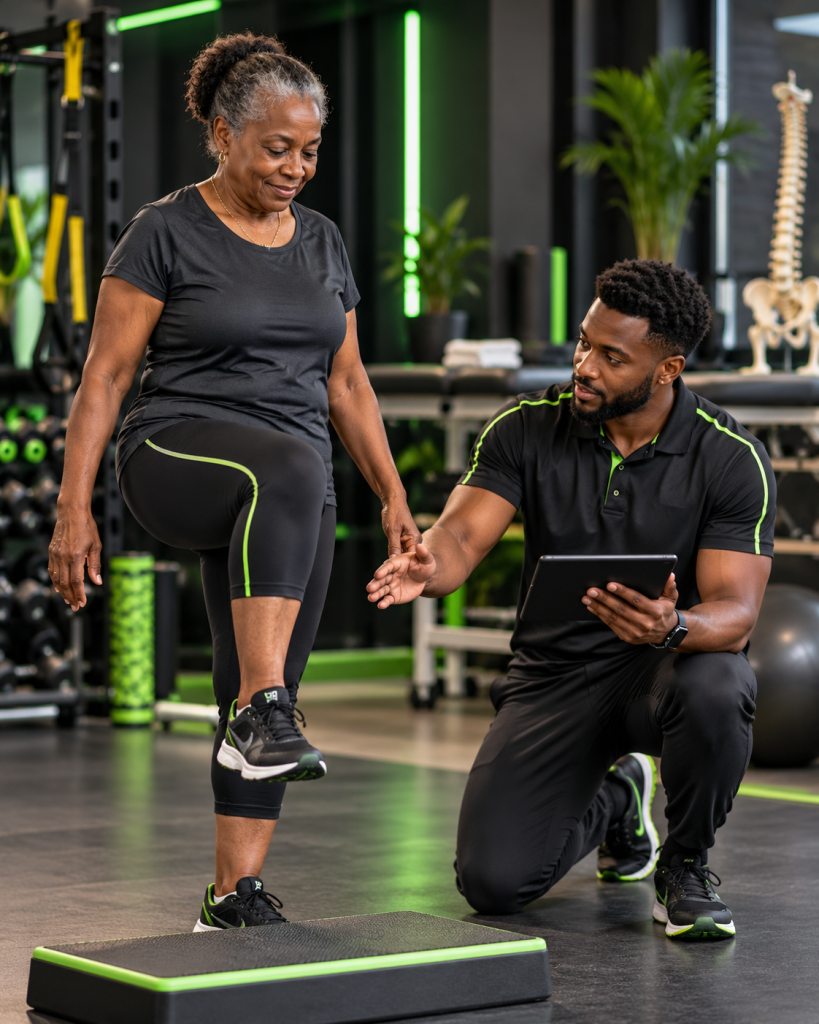
At EvoFitLab, we want to move away from the idea that exercise has to fit people into predetermined categories.
Instead, we ask:
- Who is this person?
- What have they done before?
- What can they do today?
- What limitations or injuries do we need to respect?
- What are their goals?
- What physical qualities do they need?
- What is the appropriate training stimulus?
And most importantly:
What is the next appropriate progression?
That is how we build better athletes, whether they are teenagers developing their sporting potential or older adults working to maintain independence and quality of life.
Understanding training progression and periodization helps coaches adjust exercise demands to the individual rather than applying the same programme to everyone.
Every Exerciser Is an Athlete
Being an athlete is not only about competing.
It is about having the physical capacity to meet the demands placed on your body.
For one person, that may mean running onto a football field.
For another, it may mean getting down to the floor and standing back up.
For someone else, it may mean reacting quickly enough to prevent a fall.
The movement concepts can be universal, but the exercise dose, progression, range of motion, speed, complexity, and loading must be individualized.
At EvoFitLab, our goal is simple:
Meet the athlete where they are, respect where they have been, and help them progress toward where they want to go.
Because whether you are 15 or 75, competitive or recreational, recovering from an injury or simply trying to stay capable,
you are still an athlete.
Written by Gerard Nicholas, CSCS, BSc Sports Science, Physiotherapist
EvoFitLab
LP14 Pentecostal Road, Tunapuna
Trinidad & Tobago
Mobile: 305-5482
Email: info@evofitlab.com
Website: www.evofitlab.com