

Rapid weight loss can look successful on the scale while quietly creating problems inside the body. Many people chase fast results, then notice a hollow face, thinning hair, fatigue, poor workouts, irritability, weaker recovery, and reduced muscle tone.
Often, they assume these changes are just “aging.” However, the real issue may be under-fueling, low protein intake, poor recovery, and missing nutrients.
At EvoFitLab, we see this pattern often. People cut calories too aggressively, skip meals, train hard, and forget that the body still needs enough fuel to repair, recover, and perform. Weight loss should improve health and confidence, not make the body look and feel depleted.
Why Rapid Weight Loss Can Make You Look Older

The body always prioritizes survival first. When calories and nutrients drop too low for too long, the body reduces support for systems that are not immediately essential.
That is when visible symptoms can start to show.
Common signs include:
- Hollow cheeks
- Sunken eyes
- Thinning hair
- Chronic fatigue
- Low energy
- Poor recovery
- Reduced muscle tone
- Irritability
- Declining training performance
This does not mean fat loss is bad. The issue is the speed, structure, and quality of the process.
A better goal is not simply to lose weight. The goal is to improve body composition while preserving muscle, skin quality, energy, hormonal function, recovery, and performance.
For a smarter training structure during fat-loss phases, review the EvoFitLab Fitness Periodization Guide. The same principle applies to nutrition: stress must be planned, not guessed.
The “Hollow” Look Explained
One of the first visible signs of aggressive dieting is facial volume loss. When body fat drops quickly, the body pulls subcutaneous fat from multiple areas, including the face.
This can create:
- Sunken cheeks
- Hollow eyes
- A gaunt appearance
- Prematurely aged features
- Reduced skin fullness
- Less facial elasticity
This is especially common when someone combines hard training with low calories, low carbohydrates, poor hydration, and insufficient protein.
Athletes and active adults often make this worse because they continue to demand performance from a body that does not have enough raw material to recover.
A more sustainable approach is usually better. Research on athletes comparing slower and faster weight-loss rates found that a slower weekly reduction was more favorable for preserving lean body mass and performance than faster weight loss. You can review the study on weight-loss rate and body composition in elite athletes.
Hair Loss During Dieting: What Is Actually Happening?
Hair loss during dieting can be alarming. It is also one of the most common signs that the body may be under stress.
Hair follicles need enough:
- Protein
- Iron
- Zinc
- Vitamin D
- B vitamins
- Essential fatty acids
- Total calories
When the body detects chronic under-fueling, it may shift resources away from hair growth. Hair is important, but it is not essential for immediate survival.
That can lead to:
- Increased shedding
- Thinning hair
- Slower growth
- Weak or brittle hair
- Stress-related shedding, known as telogen effluvium
A 2024 review on telogen effluvium associated with weight loss notes that diffuse hair shedding can follow stressful events, including intentional or unintentional rapid weight loss.
If shedding is severe, persistent, or paired with other symptoms, seek medical guidance. Hair loss can also involve thyroid issues, anemia, hormonal changes, medications, autoimmune conditions, and other medical factors.
Protein Is Not Only for Muscle
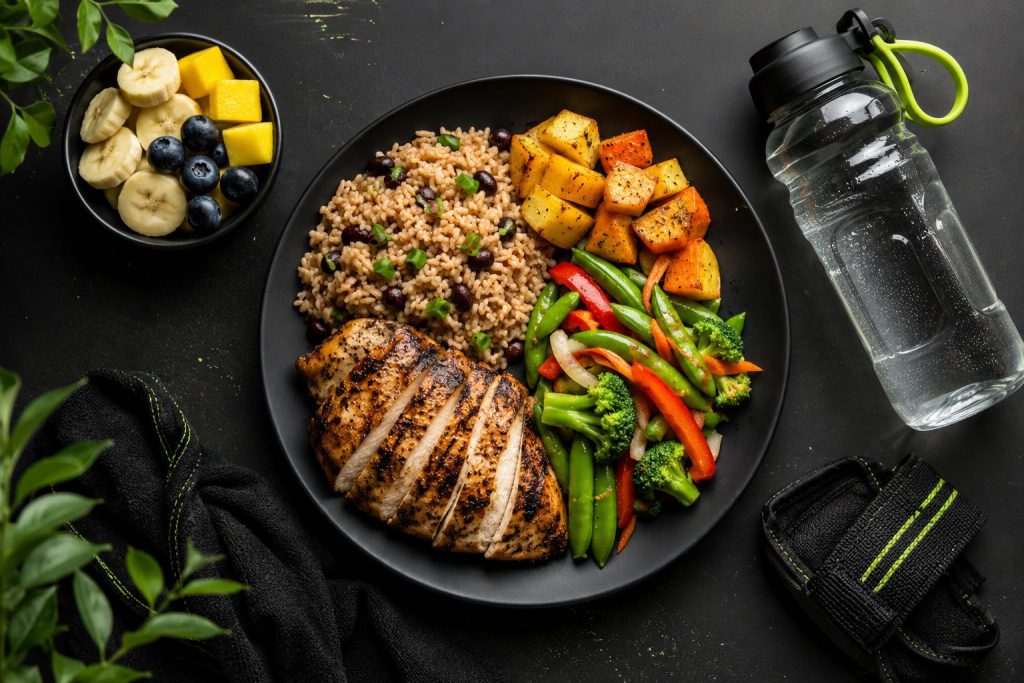
Protein is not just for bodybuilders. It supports nearly every system involved in recovery and adaptation.
Protein helps support:
- Muscle preservation
- Hair structure
- Tissue repair
- Immune function
- Enzyme activity
- Hormone-related processes
- Training recovery
- Metabolism
For active people, low protein intake can make rapid weight loss more damaging. The body may lose more lean tissue, recovery may slow down, and training quality may decline.
The International Society of Sports Nutrition states that many exercising individuals benefit from daily protein intakes around 1.4 to 2.0 grams per kilogram of body weight. Needs can rise during calorie restriction, intense training, or high recovery demand.
A practical daily target for many active adults may fall around 100 to 150 grams of protein, depending on body weight, training load, muscle mass, and goals. However, individual needs vary.
If you lift weights, play sport, or train several times per week, protein should not be an afterthought.
For strength-focused clients, protein works best when paired with progressive training. You can connect this with EvoFitLab’s guide on Mechanical Tension for Muscle Growth when planning future muscle-building or fat-loss content.
Why Energy Crashes During Aggressive Dieting
Many people on aggressive diets report the same pattern:
- Constant tiredness
- Brain fog
- Mood swings
- Dizziness
- Poor workouts
- Reduced concentration
- Poor sleep
- Slow recovery
This is not always a motivation problem. Often, it is physiology.
The body needs fuel to produce energy. When food intake stays too low, several things can happen:
- Glycogen stores decrease
- Electrolytes become depleted
- B-vitamin intake may drop
- Recovery capacity falls
- Hormonal function may be affected
- Training quality declines
The Academy of Nutrition and Dietetics, Dietitians of Canada, and the American College of Sports Medicine emphasize that athletes need enough energy, carbohydrate, protein, fat, fluids, and micronutrients to support health and performance. You can review their sports nutrition position statement.
In simple terms, you cannot expect high output from a poorly fueled system.
For active clients, this is where training and nutrition must match. Browse the EvoFitLab Blog for related training, performance, and recovery education.
Common Nutrient Gaps Linked With Fatigue
Fatigue during rapid weight loss can come from many sources. Still, several nutrition gaps show up often.
Common issues include:
| Possible gap | Why it matters |
| Low protein | Slower tissue repair and weaker muscle preservation |
| Low iron | Reduced oxygen transport and higher fatigue risk |
| Low magnesium | Muscle function, sleep quality and energy metabolism |
| Low sodium and potassium | Hydration, nerve function and muscle contraction |
| Low B vitamins | Energy metabolism support |
| Low vitamin D | Muscle function, immune support and bone health |
| Chronic dehydration | Poor training quality and increased fatigue |
Do not self-diagnose deficiencies. If symptoms are persistent, get bloodwork and professional guidance.
Nutrition support should begin with whole foods:
- Lean protein sources
- Eggs, fish, poultry, dairy, legumes, or tofu
- Iron-rich foods
- Fruits and vegetables
- Whole-food carbohydrates
- Healthy fats
- Electrolytes and fluids
- Regular meals across the day
Supplements can help when there is a confirmed gap, but they should not replace a poor foundation.
A Smarter Fat-Loss Strategy
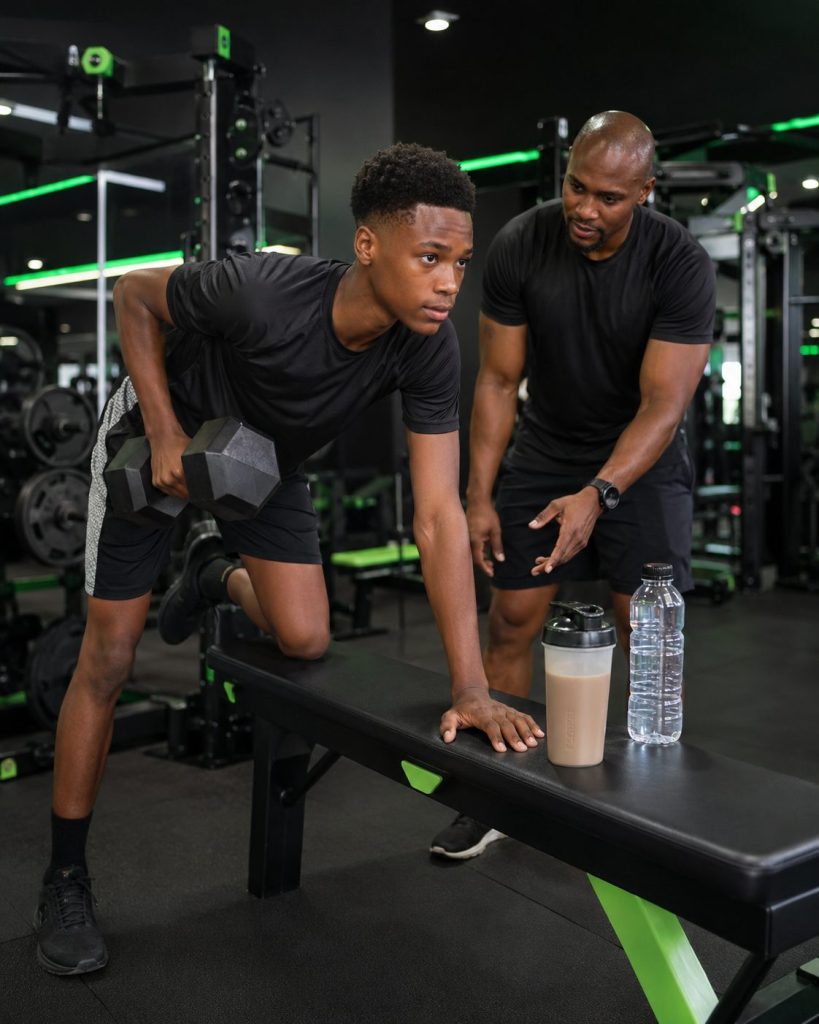
Rapid weight loss is often attractive because it gives fast feedback. However, the body usually responds better to structure.
A smarter fat-loss strategy should protect:
- Muscle mass
- Training performance
- Mood
- Hormonal health
- Skin quality
- Hair health
- Recovery
- Long-term adherence
Use these principles:
1. Keep the Calorie Deficit Moderate
Avoid extreme restriction. A slower pace gives the body more time to adapt and helps reduce unnecessary lean tissue loss.
2. Prioritize Protein at Every Meal
Build meals around a quality protein source, then add carbohydrates, vegetables, healthy fats, and fluids.
3. Fuel Training Properly
Training hard while under-fueled is a common reason people feel flat, weak, and irritable. Carbohydrates around training can help preserve output.
4. Strength Train During Fat Loss
Strength training gives the body a reason to preserve muscle. It also supports shape, posture, function, and confidence.
For better lifting and movement control, pair nutrition changes with Core Stability at EvoFitLab and the Four Worlds Movement Framework.
5. Monitor Recovery Markers
Track energy, sleep, mood, performance, hunger, soreness, and menstrual cycle changes where relevant. These signs often reveal under-fueling before the scale does.
When to Get Professional Guidance
Before starting an aggressive diet, weight-cutting phase, or transformation plan, speak with qualified professionals who understand nutrition, training, recovery, and health risk.
This matters even more if you have:
- A history of disordered eating
- Diabetes or blood sugar issues
- Thyroid concerns
- Persistent fatigue
- Unexplained hair loss
- Dizziness or fainting
- Menstrual irregularity
- Rapid muscle loss
- Ongoing injury or poor recovery
Clinical note: sudden hair loss, severe fatigue, dizziness, or unexplained weight changes should be assessed by a medical professional. Nutrition coaching can support performance, but it should not replace medical care when symptoms are significant.
Conclusion
Rapid weight loss can make people look older, feel weaker, and recover poorly when the body is under-fueled. The hollow face, hair shedding, fatigue, and reduced muscle tone are often connected by the same root problem: not enough energy, protein, micronutrients, hydration, and recovery.
Fat loss should not come at the cost of health or performance.
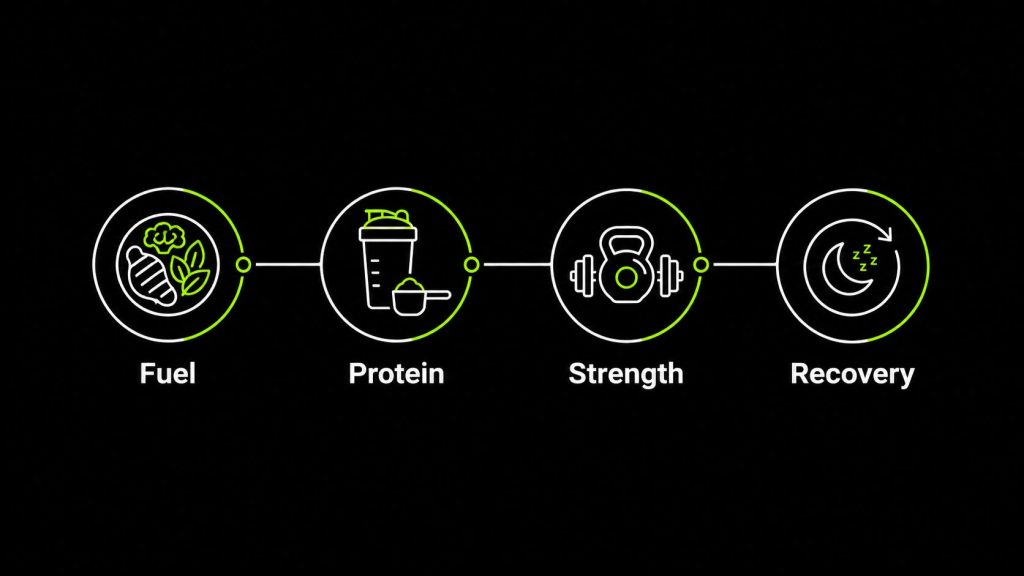
Train smart. Eat enough protein. Fuel your body. Recover properly. Progress at a pace your body can actually sustain.
Need help building a safer body-composition plan? Contact EvoFitLab and get a performance-led strategy built around strength, nutrition, recovery, and long-term health.
Written by Gerard Nicholas, CSCS