

Mechanical Tension for Muscle Growth matters more than chasing a perfect rep range. Many people argue about whether 5 reps, 8 to 12 reps, or 20 reps build the most muscle. However, the better question is simpler: are your muscles working hard enough against resistance to create adaptation?
Muscle does not grow because a rep number is magical. It grows when training creates a strong enough stimulus, then recovery, nutrition, and consistency allow the body to rebuild stronger.
Why Mechanical Tension for Muscle Growth Matters
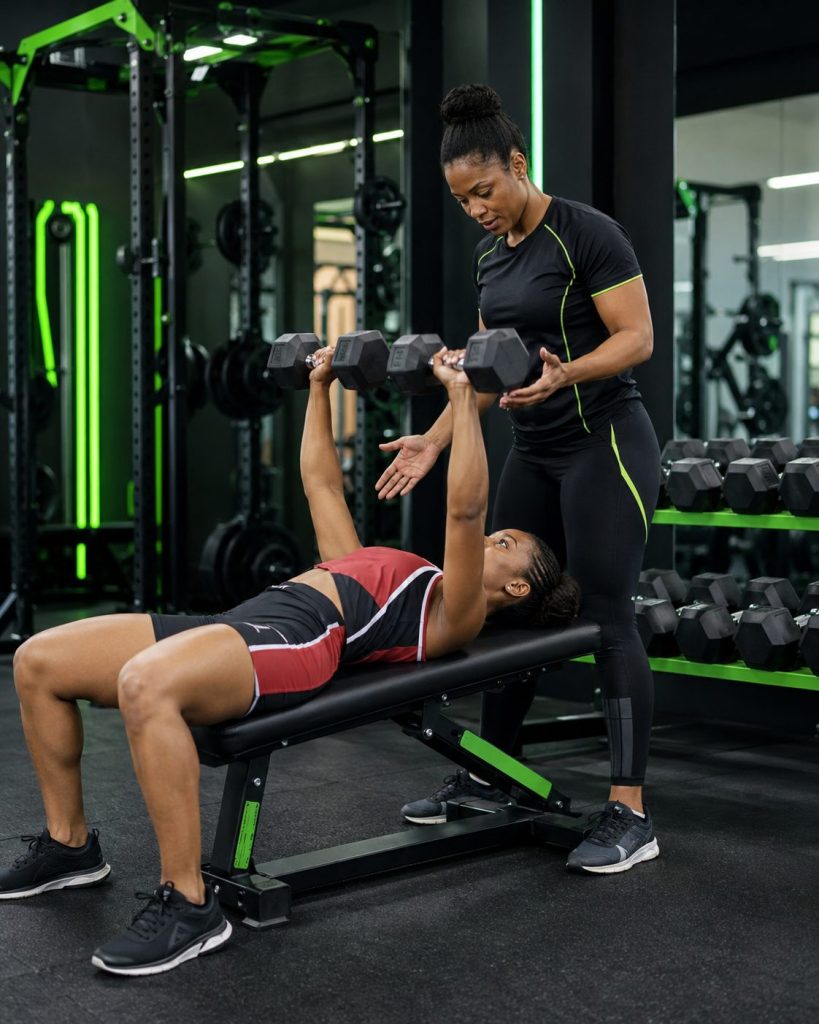
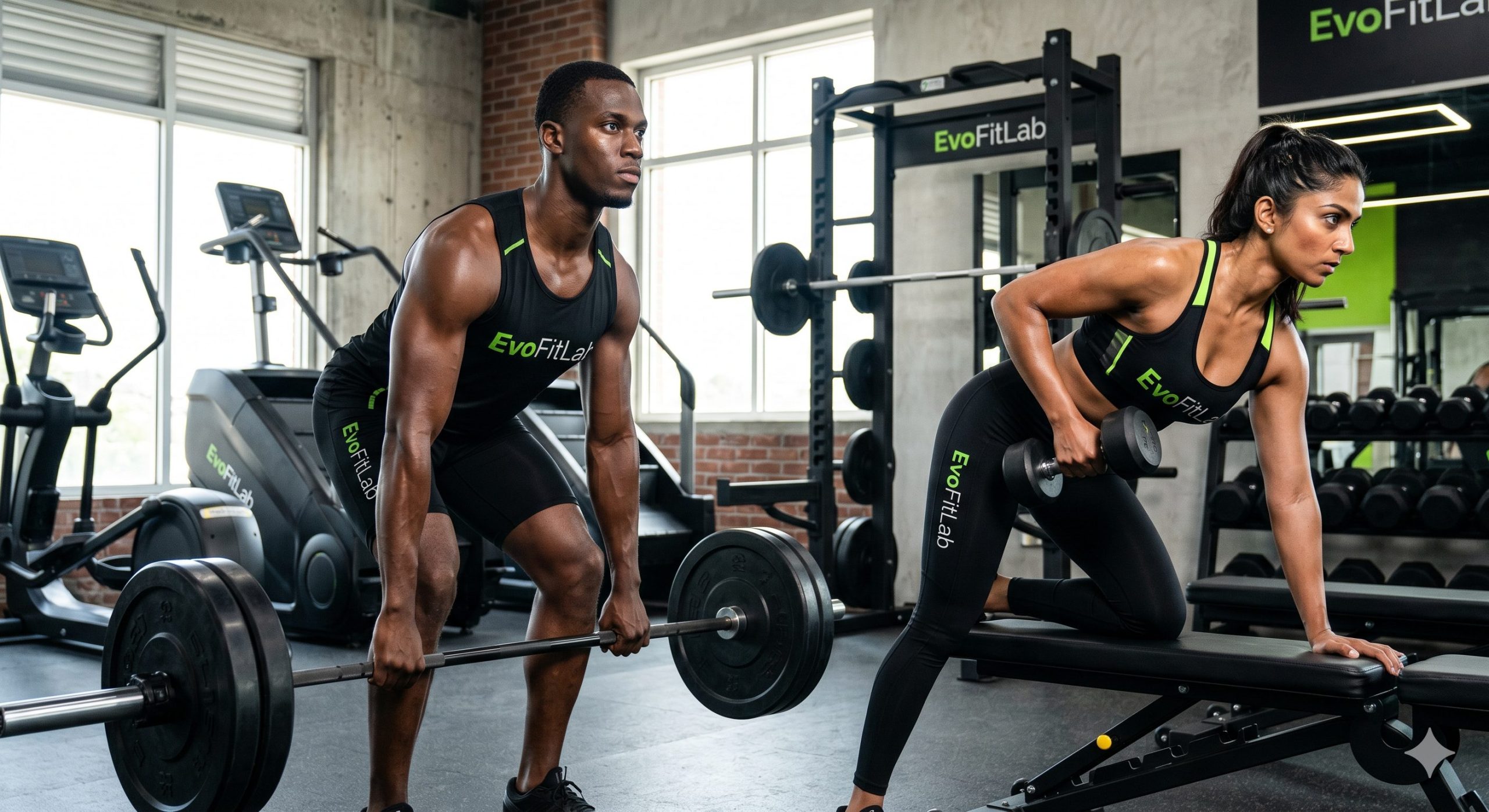
Mechanical tension is the force placed on muscle fibers when they contract against resistance. When you lift, pull, push, squat, or carry, the muscle has to produce force and control the load.
That tension helps signal the body to adapt. A classic review by Brad Schoenfeld explains that mechanical tension, muscle damage, and metabolic stress can all play a role in exercise-induced muscle growth. Still, mechanical tension remains one of the most important drivers because it directly challenges the muscle fibers.
Think of it like this: if the load is too easy, the body has little reason to change. If the challenge is meaningful and repeated over time, the body starts adapting.
That adaptation also depends on:
- Adequate protein intake
- Proper recovery
- Quality sleep
- Consistent training
- Smart load progression
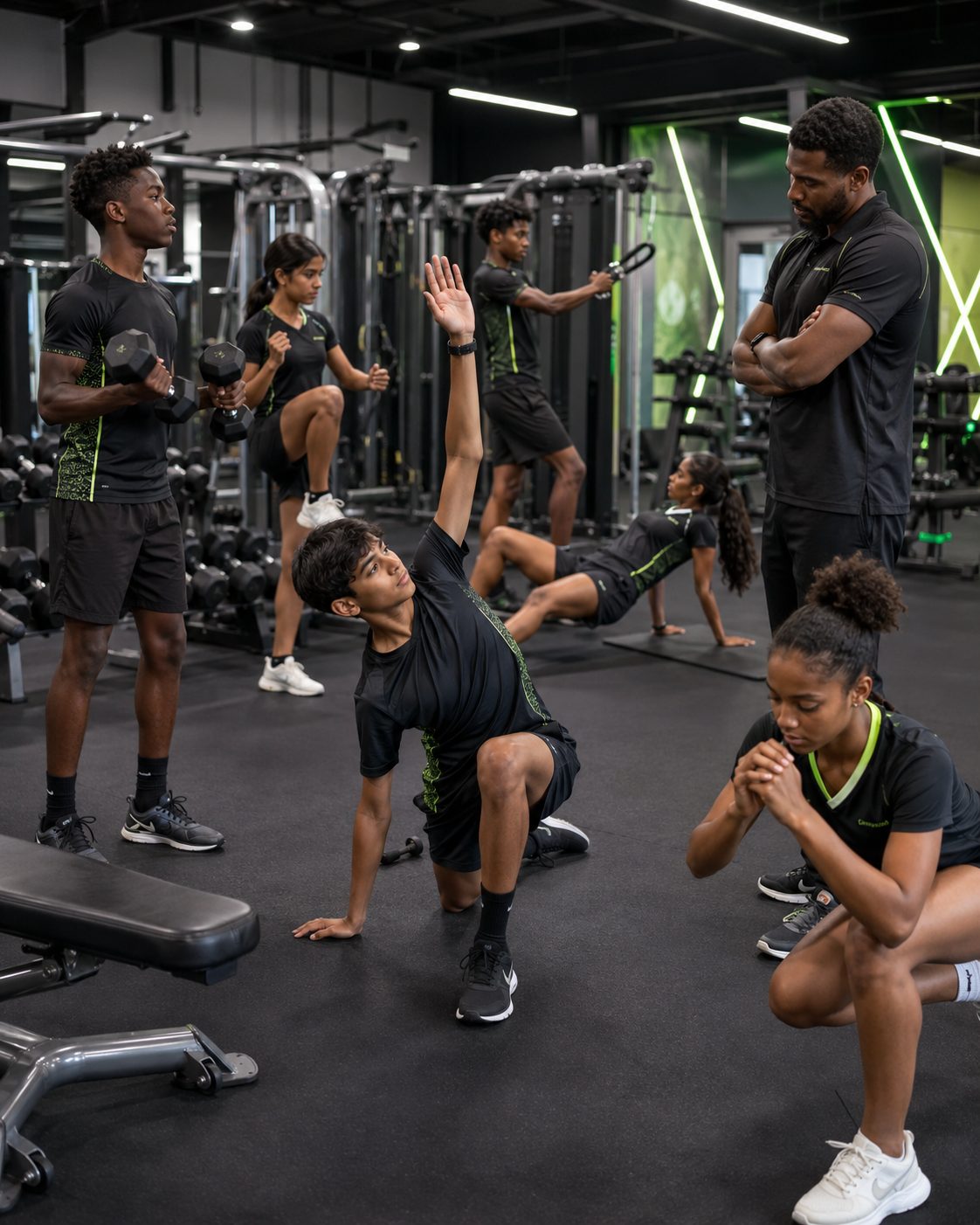
At EvoFitLab, this is why strength training is never just about counting reps. It is about matching effort, control, technique, and progression to the person in front of us. For better movement preparation before lifting, review the Four Worlds Movement Framework.
Progressive Overload Keeps Muscle Adapting

Once your body adapts, the same workout creates less stimulus. The weight that once felt difficult becomes manageable. Therefore, your program must progress if you want growth to continue.
Progressive overload can include:
- Increasing the weight lifted
- Performing more quality reps
- Adding sets gradually
- Improving technique
- Increasing range of motion
- Slowing tempo with control
- Reducing wasted movement
The key is not to make every session harder at random. Instead, overload should be planned. Better training gives the body enough challenge to adapt without creating so much fatigue that recovery suffers.
For athletes and coaches, this is where programming matters. The EvoFitLab Fitness Periodization Guide explains how structured phases help organize training stress over time.
Understanding Rep Ranges Without Overthinking Them
Different rep ranges emphasize different qualities. However, none of them works unless the set creates enough challenge.
| Rep range | Main focus | Best use |
| 3 to 6 reps | Maximum strength and neural efficiency | Heavy strength work, power athletes, force production |
| 8 to 12 reps | Hypertrophy and strength balance | General muscle growth, sustainable training, most lifters |
| 12 to 20 reps | Muscular endurance and work capacity | Accessories, conditioning phases, lower joint stress work |
Low reps use heavier loads and longer rest periods. They build strength and teach the nervous system to recruit force well.
Moderate reps give a strong balance between tension, volume, and technique. For many people, this makes 8 to 12 reps practical for long-term muscle growth.
Higher reps can also build muscle when taken close enough to fatigue. Research comparing loading zones shows that muscle hypertrophy can be achieved across a broad range of loads, provided the effort and total training stimulus are sufficient.
So the real issue is not whether 8 to 12 reps is the only way to build muscle. It is whether your chosen range creates enough mechanical tension with good control.
Is There a Best Rep Range?
There is no single best rep range for every athlete or client.
The best choice depends on:
- Training age
- Injury history
- Recovery capacity
- Sport demands
- Lifestyle stress
- Exercise selection
- Technique quality
For most general fitness clients and developing athletes, the 8 to 12 rep range often works well because it provides a strong training stimulus without the same joint stress as frequent maximal lifting. However, a complete program can still include heavier strength work and higher-rep accessory work.
For example, an athlete may use:
- 3 to 6 reps for trap bar deadlifts or squats
- 8 to 12 reps for split squats, presses, rows, and RDLs
- 12 to 20 reps for lateral raises, hamstring curls, calves, and rehab accessories
This balanced approach builds strength, muscle, tissue tolerance, and movement control.
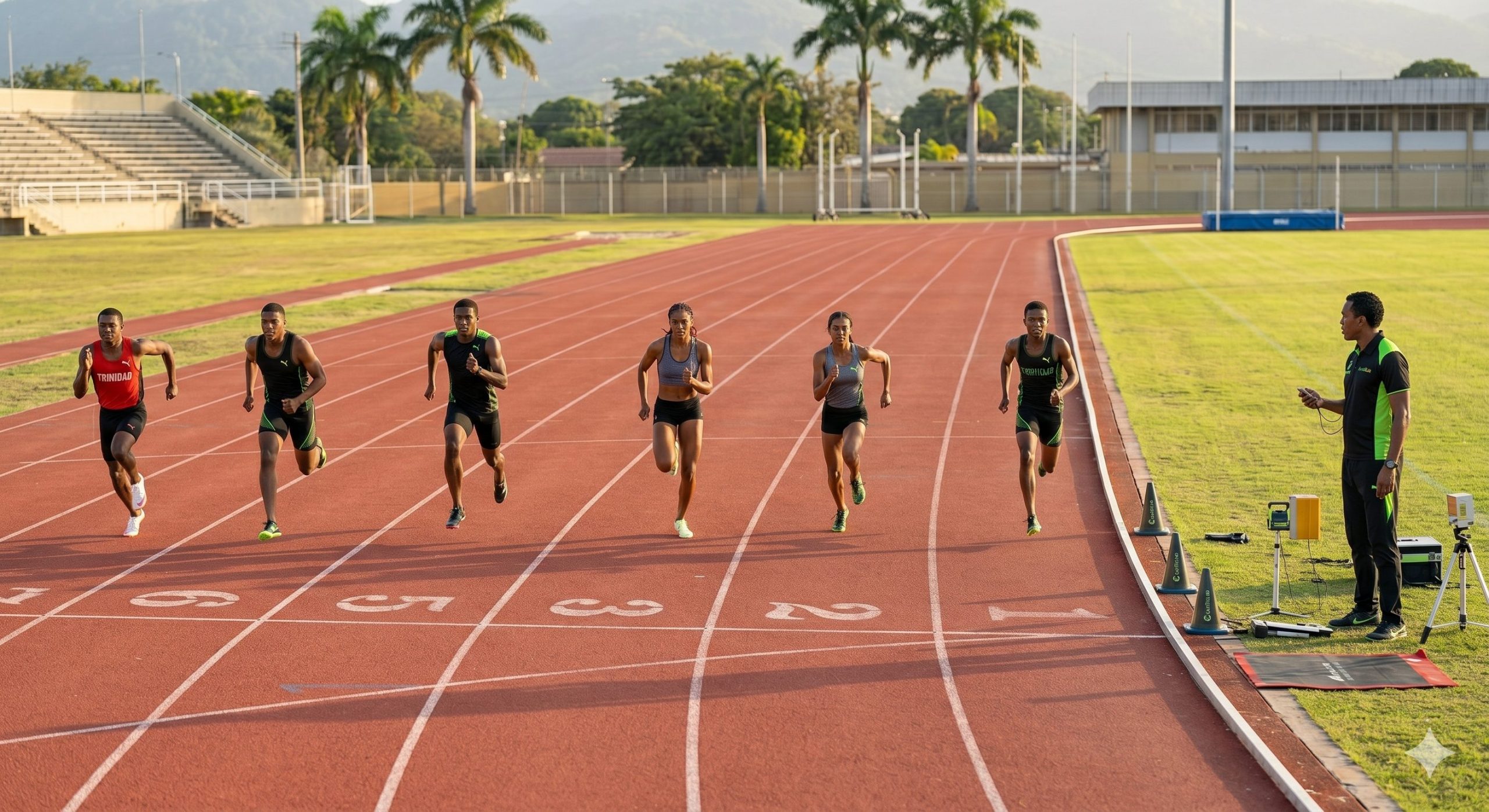
If your goal includes faster force production, connect your strength work with the principles in Rate of Force Development Training. Strength is useful, but sport performance depends on how quickly and efficiently athletes can express force.
Weekly Volume for Better Muscle Growth
Mechanical Tension for Muscle Growth works best when the weekly dose is high enough to matter and low enough to recover from.
A practical starting point is at least 10 quality sets per major muscle group per week, spread across two or three sessions. This recommendation lines up with resistance training research showing that training volume is an important driver of hypertrophy. One study found that higher resistance training volume produced greater hypertrophy than lower-volume training in resistance-trained men.
That does not mean every person should jump to high volume immediately. Instead, build toward it.
A simple weekly structure might look like this:
| Muscle group | Weekly target | Example setup |
| Chest | 10 to 14 sets | Pressing twice per week |
| Back | 10 to 16 sets | Rows, pulldowns, carries |
| Quads | 10 to 14 sets | Squats, split squats, leg press |
| Hamstrings and glutes | 10 to 14 sets | RDLs, bridges, curls |
| Shoulders and arms | 6 to 12 sets | Presses, raises, curls, triceps work |
Quality matters. A sloppy set that creates joint stress but poor muscle tension does not help much. Therefore, track both volume and execution.
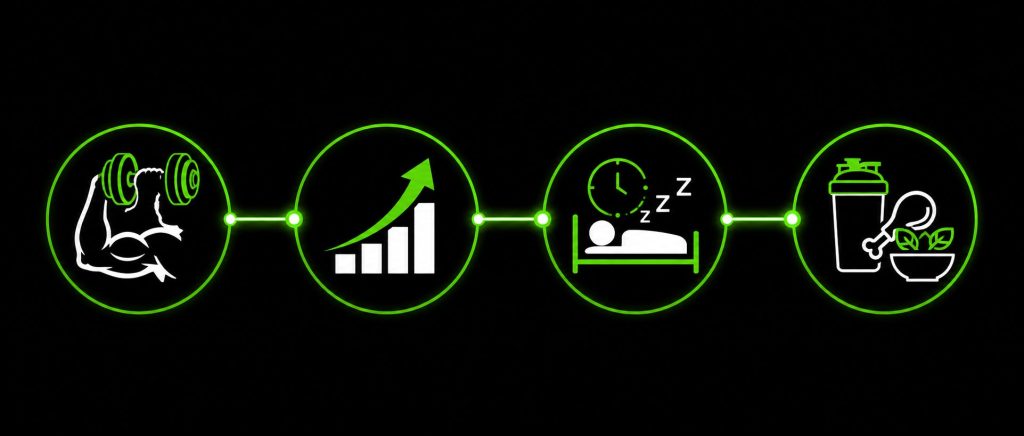
Recovery and Nutrition Complete the Process
Training creates the signal. Recovery allows the body to respond.
If sleep, calories, hydration, and protein are poor, muscle growth slows. The International Society of Sports Nutrition states that protein intakes around 1.4 to 2.0 g per kg of body weight per day are suitable for many exercising individuals. This range gives most active people enough protein to support adaptation when paired with resistance training.
Good recovery habits include:
- Eating enough total calories for the goal
- Spreading protein across the day
- Sleeping consistently
- Managing stress
- Hydrating well
- Taking rest days seriously
For more nutrition and recovery education, browse the EvoFitLab Blog and connect training decisions to your full lifestyle.
Coaching Checklist for Better Hypertrophy Training
Use this checklist before assuming your program needs more exercises.
- Are you training close enough to technical failure?
- Are you keeping control through the full range?
- Are your working sets actually challenging?
- Are you progressing load, reps, or quality over time?
- Are you recovering between sessions?
- Are you eating enough protein and total energy?
- Are you tracking performance instead of guessing?
If several answers are “no,” the issue may not be your rep range. It may be the quality of the stimulus.
At EvoFitLab, the goal is not to destroy the body with random volume. The goal is to build muscle through smart tension, better movement, and sustainable progression. For lifters who also need better trunk control under load, Core Stability at EvoFitLab is a useful next step.
Conclusion
Mechanical Tension for Muscle Growth is the foundation of effective hypertrophy training. Rep ranges matter, but they only work when the muscle receives enough challenge to adapt.
Train with purpose. Lift with control. Progress gradually. Recover intelligently.
That is how real muscle is built.
Need help building a strength plan that matches your body, goals, and sport demands? Contact EvoFitLab and get a structured program built around movement quality, progressive overload, and long-term results.
Written by Gerard Nicholas, CSCS