

When most people think about building muscle, they think about looking stronger, improving their physique, or performing better in sport.
But your muscles do much more than make you look good.
Skeletal muscle is one of the most important tissues in your body for controlling blood sugar. This means that maintaining and building healthy muscle mass can be an important part of a lifestyle that supports metabolic health and reduces the risk of developing type 2 diabetes.
Strength training for diabetes prevention is not simply about building bigger muscles. It is about supporting the body’s ability to use glucose effectively.
What Does Muscle Have to Do With Blood Sugar?

After you eat foods containing carbohydrates, your body breaks them down into glucose, which enters your bloodstream.
Your body then releases insulin. One of insulin’s important jobs is to help move glucose from your bloodstream into tissues where it can be used or stored.
Skeletal muscle is a major destination for that glucose.
Think of your muscles as a large storage and fuel-use system. When your muscles are active, particularly during exercise, they can take up glucose from the bloodstream and use it for energy or store it for later.
The American Diabetes Association explains that physical activity can improve insulin sensitivity and help muscles take up glucose, including through pathways that do not depend directly on insulin.
That is one reason physical activity is so important for blood sugar regulation.
What Happens When We Have Less Muscle?
Having less muscle does not automatically mean that someone will develop diabetes. However, having a lower amount of metabolically active muscle can reduce the body’s overall capacity for glucose disposal.
Insulin resistance can also develop when the body’s cells become less responsive to insulin. As insulin resistance increases, the body has more difficulty keeping blood glucose within a healthy range.
Over time, persistent insulin resistance and elevated blood glucose can contribute to the development of prediabetes and type 2 diabetes.
The good news is that muscle is adaptable.
You Can Train Your Muscles to Become Better at Using Glucose
Resistance training, such as weight training, bodyweight exercises, resistance bands, and properly prescribed strength exercises, can help build or maintain skeletal muscle.
Exercise also improves how effectively your muscles respond to insulin.
And you do not need to become a bodybuilder to benefit.
For many people, a sensible strength-training programme performed consistently can be an excellent addition to regular walking, cardiovascular exercise, and a balanced diet.
At EvoFitLab, we also explain the importance of mechanical tension for muscle growth, which helps individuals understand how muscles adapt to appropriately prescribed resistance training.
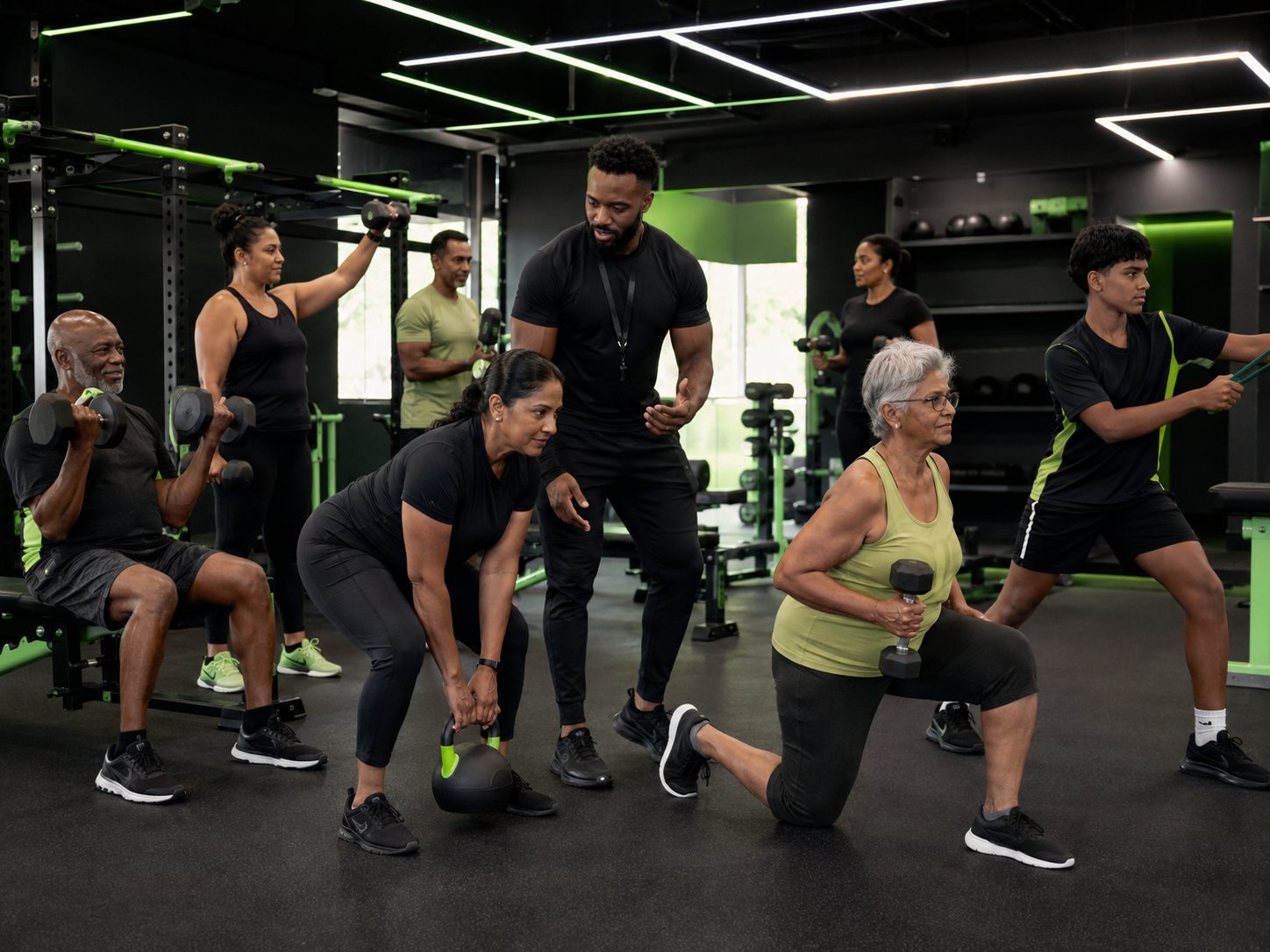
Practical Strength Exercises for Adults

For adults, think about:
- Squats or sit-to-stand exercises
- Lunges or step-ups
- Hip-hinge exercises
- Push-ups or chest presses
- Rows or pulling exercises
- Loaded carries
- Core and stability exercises
The exercises, loads, repetitions, and frequency should be appropriate for your age, fitness level, training experience, and medical status.
The aim is not simply to lift heavier weights. It is to develop and maintain healthy, functional muscle through consistent training.
For individuals with diabetes who use insulin or certain glucose-lowering medications, exercise may increase the risk of low blood sugar. Appropriate medical guidance and glucose monitoring may be necessary when starting or changing an exercise programme.
What About Young People and Athletes?
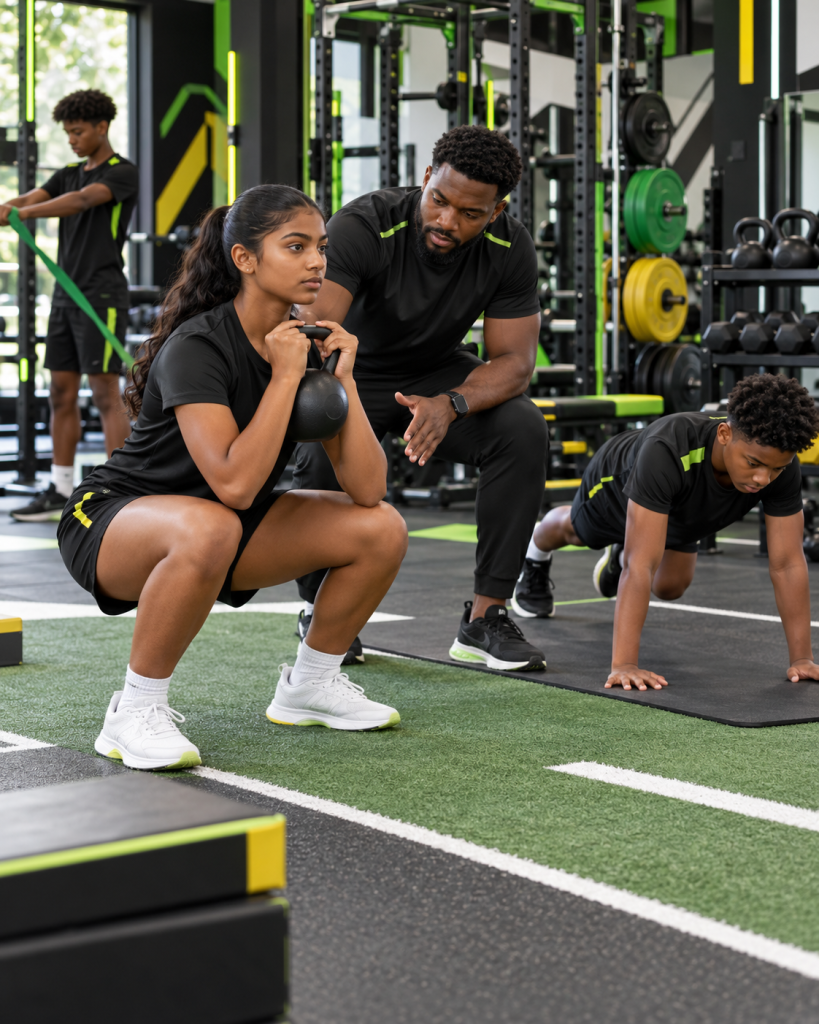
This principle is relevant to youth development and sports performance too.
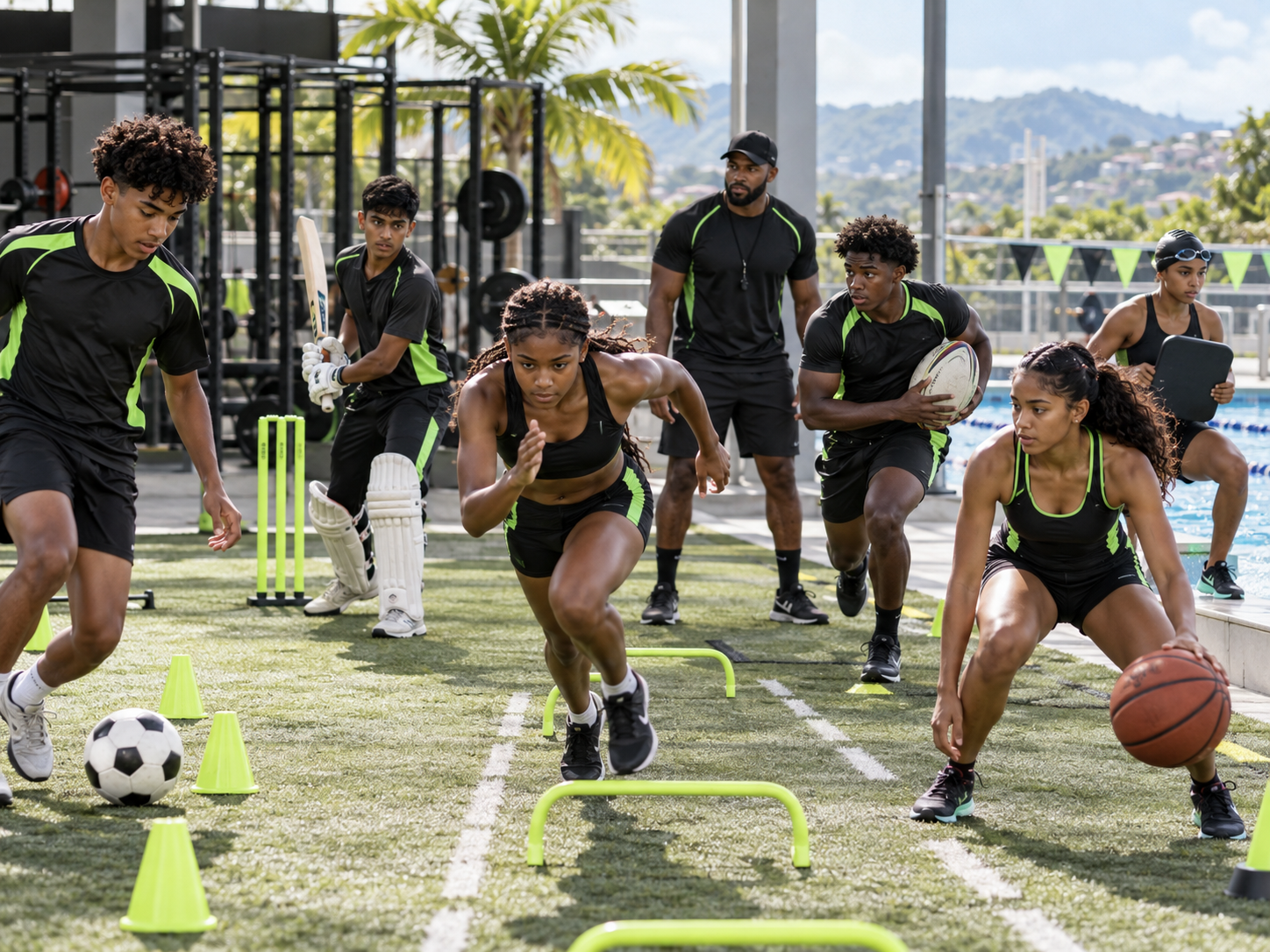
Appropriately supervised strength training can help young athletes develop strength, power, movement skills, and physical resilience. It can also help establish healthy exercise habits early in life.
For children and teenagers, however, strength training should focus on technique, movement competency, appropriate progression, and supervision, not simply lifting the heaviest weight possible.
The National Strength and Conditioning Association’s youth development guidance emphasizes safe progression, physical literacy, and foundational muscular strength as young athletes grow and mature.
These principles are also discussed in EvoFitLab’s Building Better Young Athletes guide.
Muscle Is Part of the Bigger Picture
Building muscle is not a magic solution for diabetes.
Your risk of type 2 diabetes is influenced by multiple factors, including genetics, age, body composition, diet, physical activity, sleep, and other aspects of your overall health.
The CDC’s guidance on preventing type 2 diabetes emphasizes the importance of healthy lifestyle habits, including regular physical activity and balanced nutrition.
But one thing is clear:
Your muscles are not just for aesthetics. They are active metabolic tissue.
Every time you train your muscles, you are not only working toward becoming stronger. You are also giving your body an opportunity to improve its ability to use glucose effectively.
So, whether your goal is to perform better on the football field, improve your strength, maintain independence as you age, or simply become healthier, strength training deserves a place in the conversation.
Train for how you look. Train for how you perform. But most importantly, train for how your body works.
For more information about individualized exercise programming, explore EvoFitLab’s strength and conditioning services.
Gerard Nicholas, CSCS, BSc Sports Science
Physiotherapist
EvoFitLab LP
14 Pentecostal Road, Tunapuna
Trinidad & Tobago
Mobile: 305-5482
Email: info@evofitlab.com
Website: www.evofitlab.com