
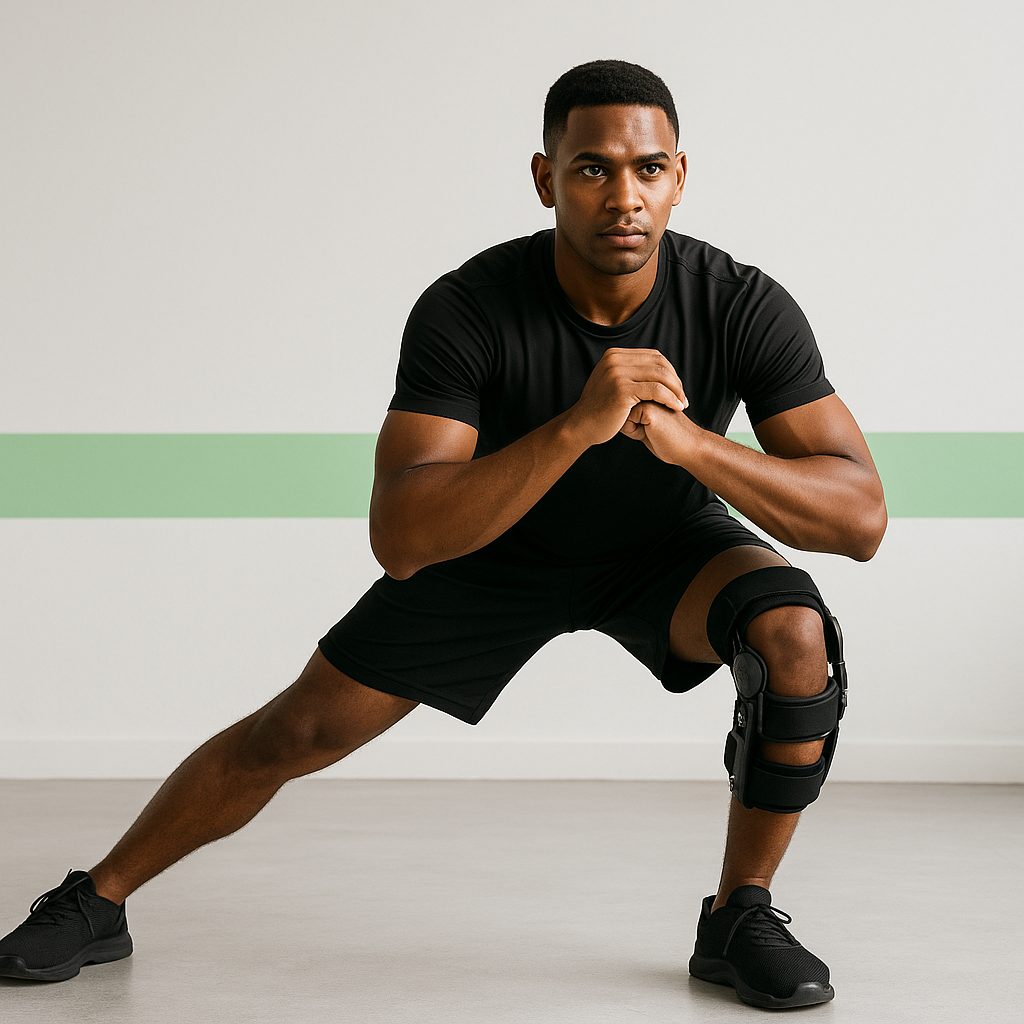
MCL Injury Rehab for Athletes
A medial collateral ligament sprain can stall a season, yet most athletes recover well when rehab matches the injury grade and builds clean valgus control. This guide gives you a simple screen, a phased program, and clear return-to-sport steps.
What the MCL does and how it gets hurt
The MCL resists inward knee collapse during cutting, contact, and awkward landings. Direct blows to the outer knee, rapid change of direction, or fatigue-driven mechanics often overload it. Good news: the MCL has solid blood supply, so most isolated sprains respond to progressive loading and smart bracing.
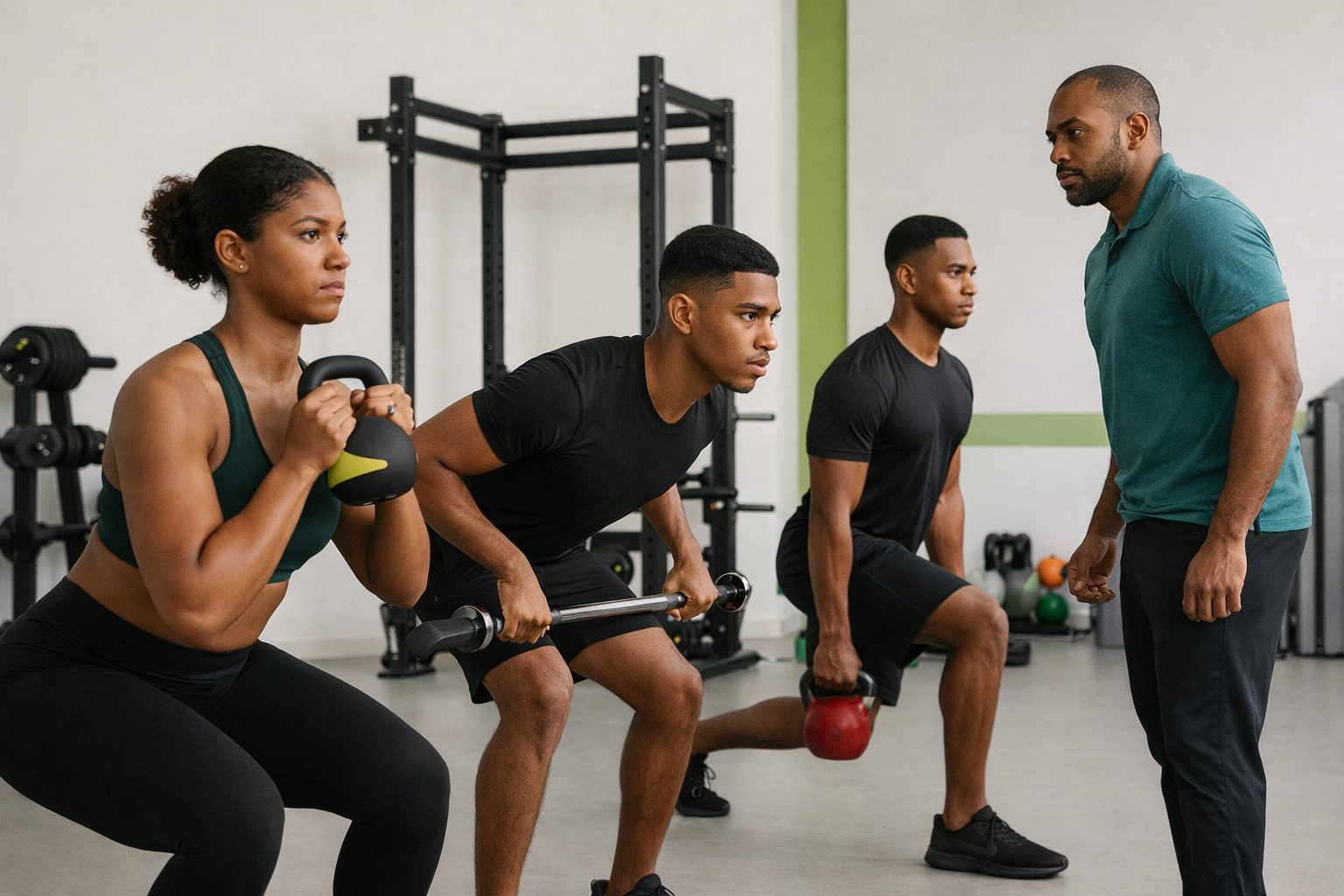
Internal link: For whole-body prep that keeps the kinetic chain synced, start sessions with our Four Worlds Movement Framework.
Quick screen and triage
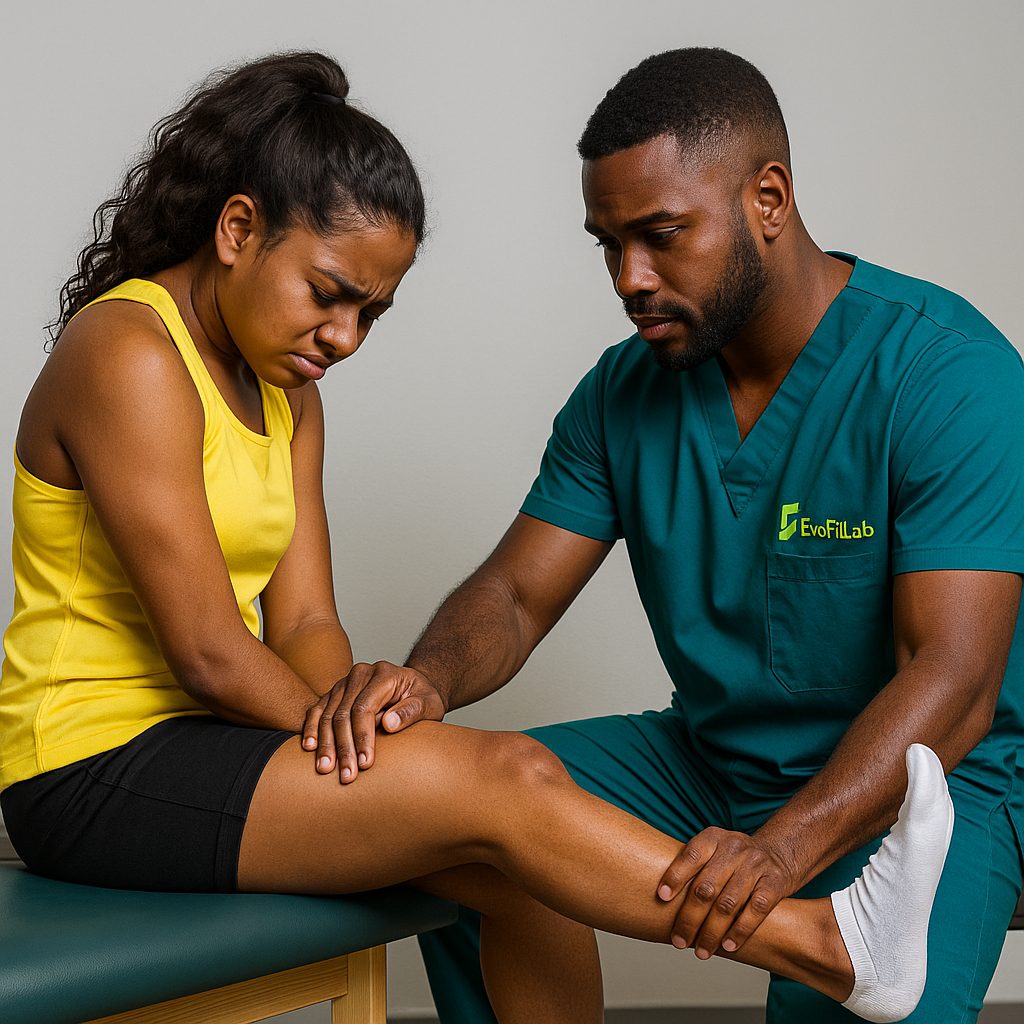
Use this brief check to guide day-one decisions. If pain is severe, there is a true giving-way feeling, or swelling locks the knee, refer for imaging.
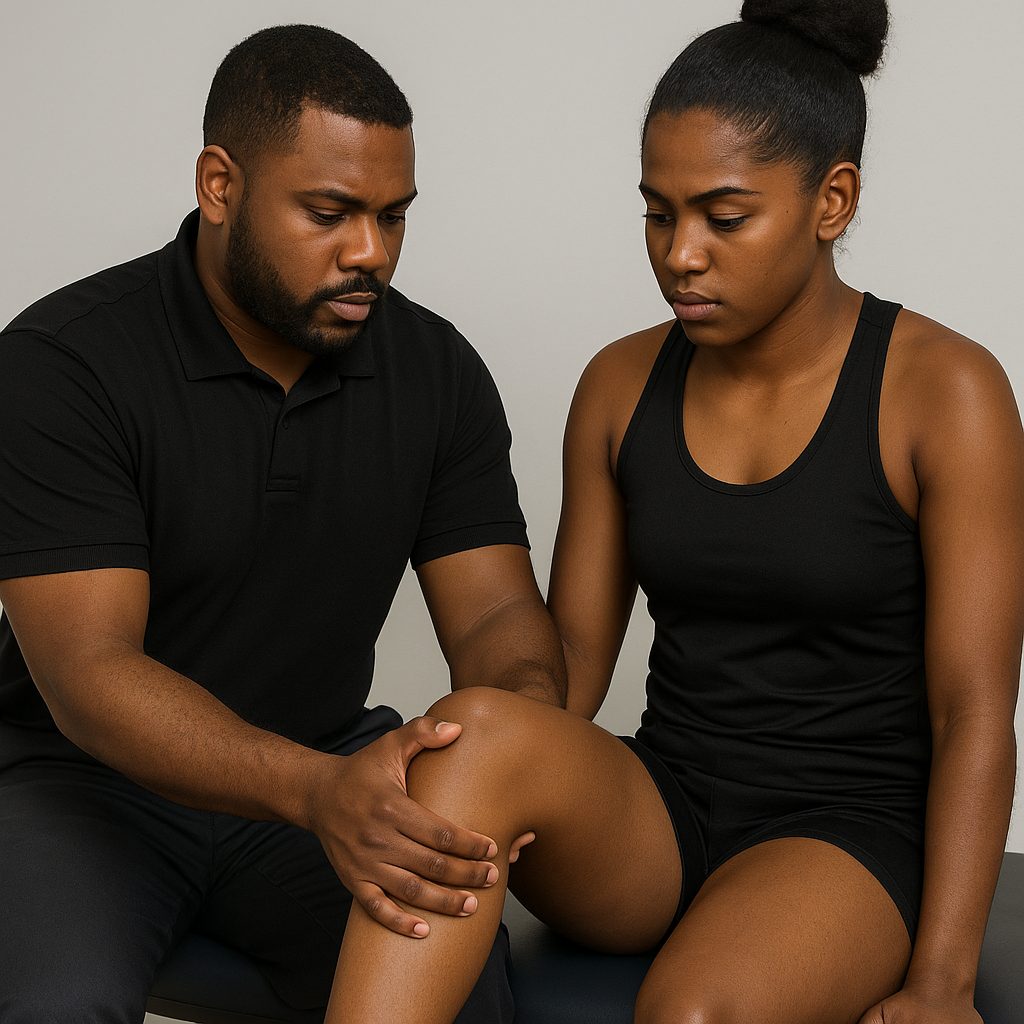
- Valgus stress test at 30° for medial pain or laxity compared with the other side.
- Palpate the inner joint line and proximal tibia for focal tenderness.
- Gait check: short steps, medial knee guard, or reluctance to load.
- Red flags: suspected combined injury, catching that suggests meniscus involvement, or persistent instability.
Outbound resources for clinicians and coaches: Overview pages at the NSCA, AOSSM, and BJSM outline assessment and loading principles: https://www.nsca.com, https://www.sportsmed.org, https://bjsm.bmj.com.
Bracing, load, and weekly structure
- Brace: a simple hinged brace protects against valgus while you restore motion and strength.
- Load: begin with pain-free range and isometrics, then add closed-chain strength and balance before linear speed and change-of-direction.
- Weekly rhythm: two strength days, one field or court movement day, plus an optional recovery circuit.
Internal link: When you reintroduce speed, layer ideas from our Rate of Force Development Training.
12-Week MCL Injury Rehab for Athletes
Progress when pain is settling, swelling remains low, and movement quality stays crisp.
Phase 1: Settle and Restore Motion (Weeks 1–2)
Goals: protect the ligament, calm pain, maintain aerobic base.
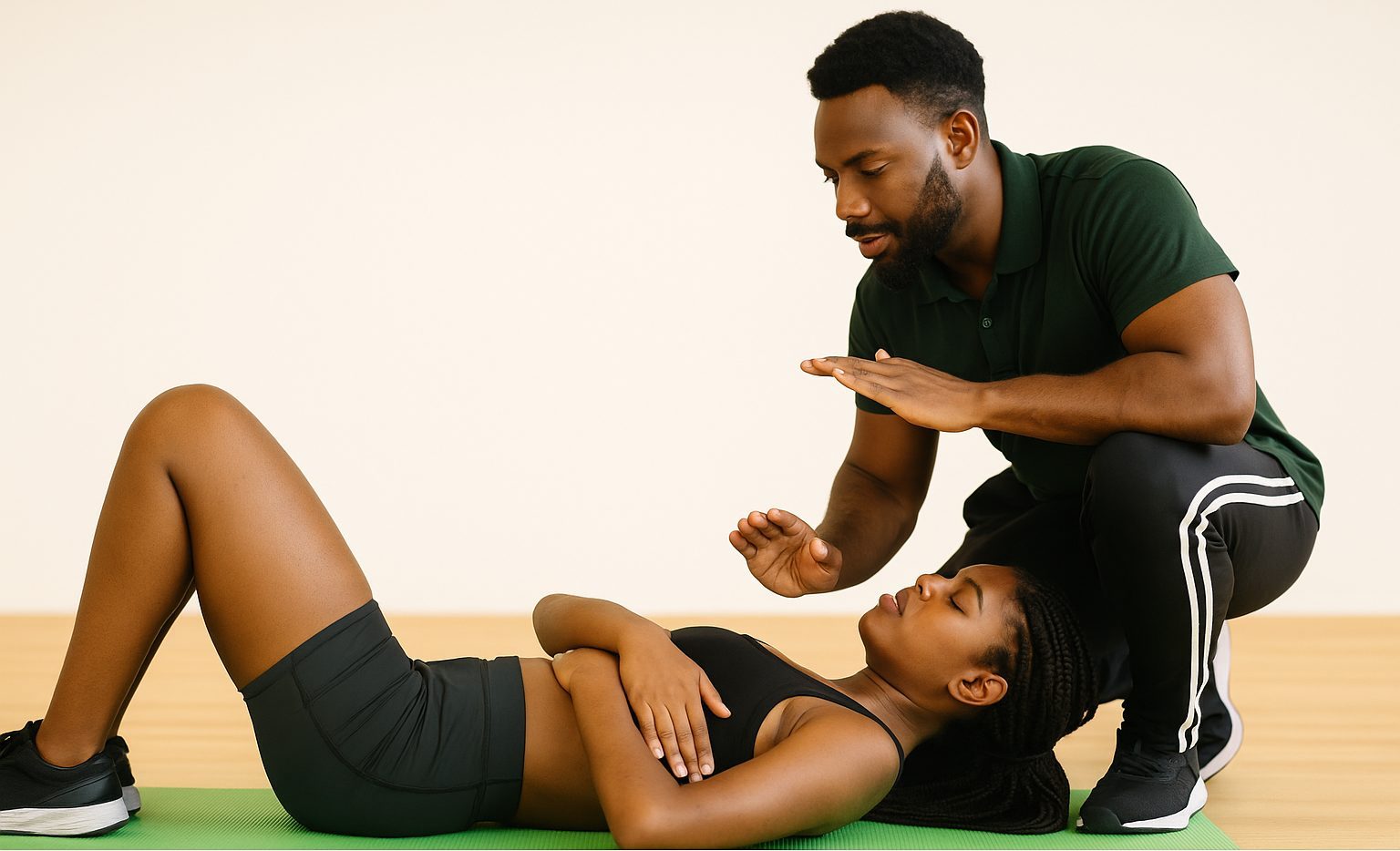
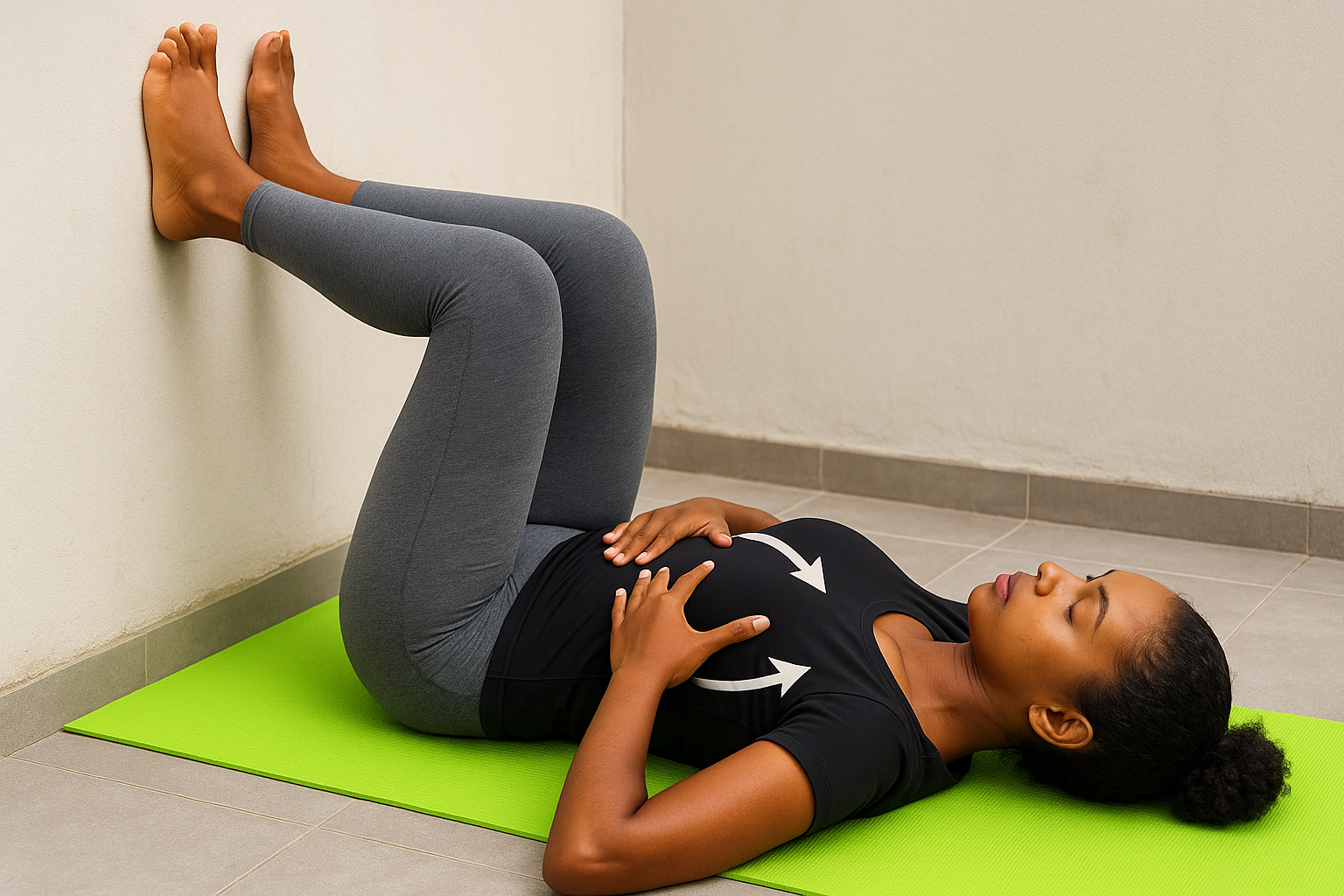
Do: heel slides, quad sets, glute bridge holds, bike or pool easy, brace as needed, short walking bouts.
Coach cues: ribs over pelvis, knee tracks between second and third toes.
Phase 2: Controlled Strength & Balance (Weeks 3–5)
Goals: rebuild quad and hip strength, add proprioception.
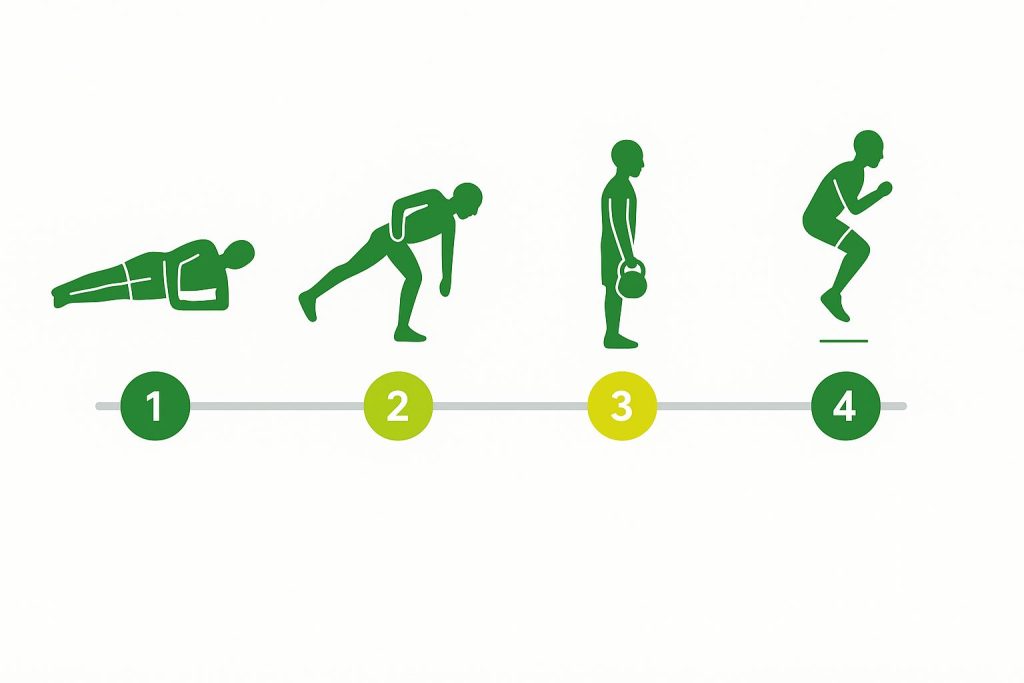
Do: wall sit holds, split-squat to box, step-ups, lateral band walks, single-leg balance reach, light tempo bike.
Optional field block: low cone walks, quick feet in place.

Phase 3: Agility and Deceleration Skill (Weeks 6–8)
Goals: absorb and redirect force without knee cave.
Do: lateral shuffles with stick landings, single-leg RDLs, lateral step-downs, mini-hops to quiet stick, short build-up accelerations.
Quality checks: soft landings, level pelvis, knee stacked over foot.
Phase 4: Return-to-Sport Prep (Weeks 9–12)
Goals: progress cutting, add reactive drills, restore confidence.
Do: closed-chain plyometrics, figure-8 runs, planned then reactive change-of-direction, sport-specific ball handling or footwork, conditioning intervals.
Pass to play: pain-free practice blocks, symmetrical single-leg strength and hop control, no next-day flare.
Internal link: Program your bigger picture with our Fitness Periodization Guide.
Internal link: Keep knee-safe landings with the Youth Plyometric Pyramid Trinidad.
Coaching cues that protect the MCL
- Stack ribs over pelvis and keep the foot tripod active during squats and landings.
- Drive the knee outward slightly as you push the ground away.
- Stop sets one rep before form breaks, then add volume slowly.
- Film one drill weekly from the front and side to audit valgus control.
Outbound learning: Read practical rehab and RTP discussions at AOSSM and NSCA and search PubMed for summaries on MCL outcomes with non-operative care: https://www.sportsmed.org, https://www.nsca.com, https://pubmed.ncbi.nlm.nih.gov/.
Conclusion
Match your plan to the injury grade, build strength that resists valgus, and blend agility with confident cutting. Use this 12-week outline, check quality every session, and return to sport with trust in your knee.
Written by Gerard Nicholas, CSCS