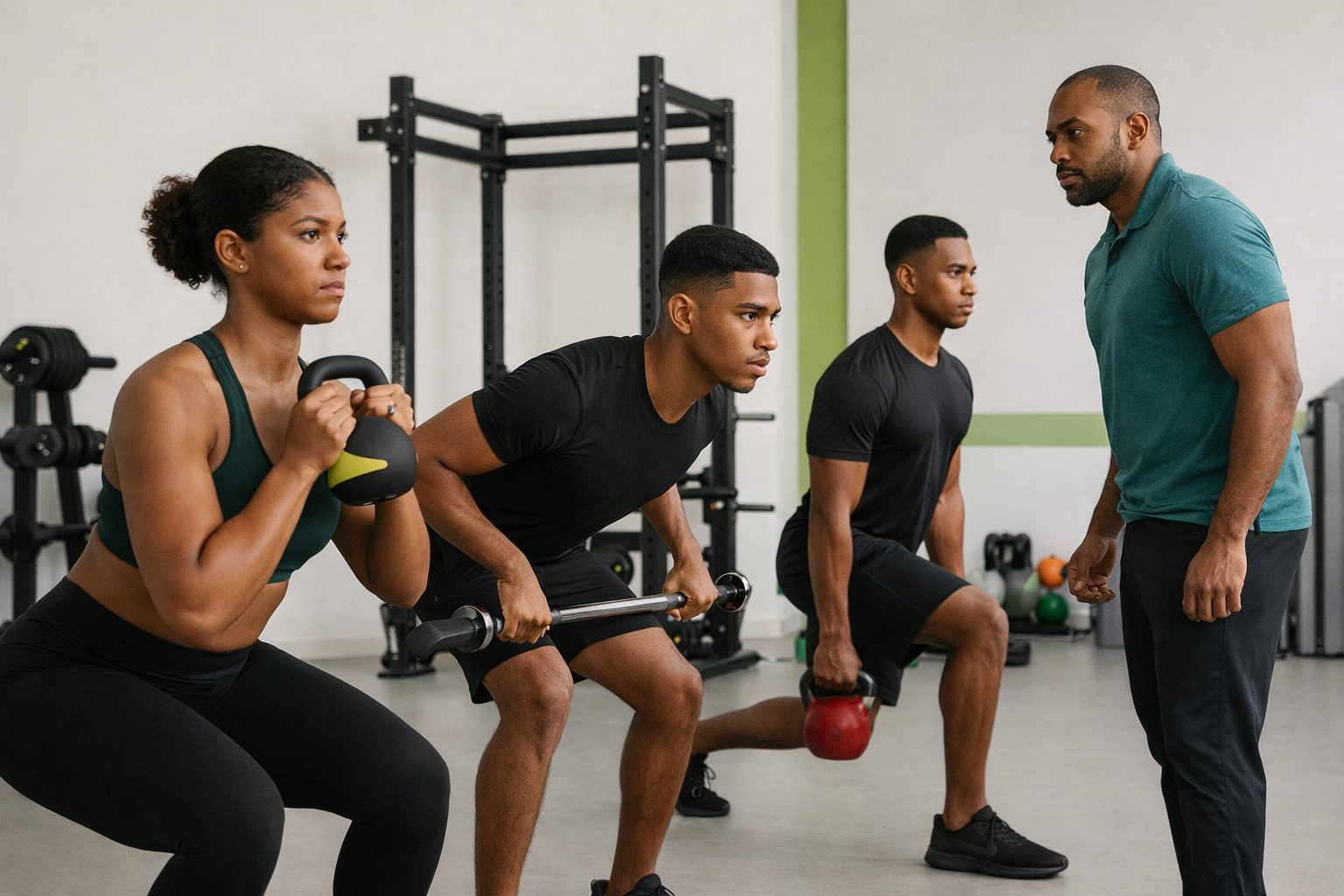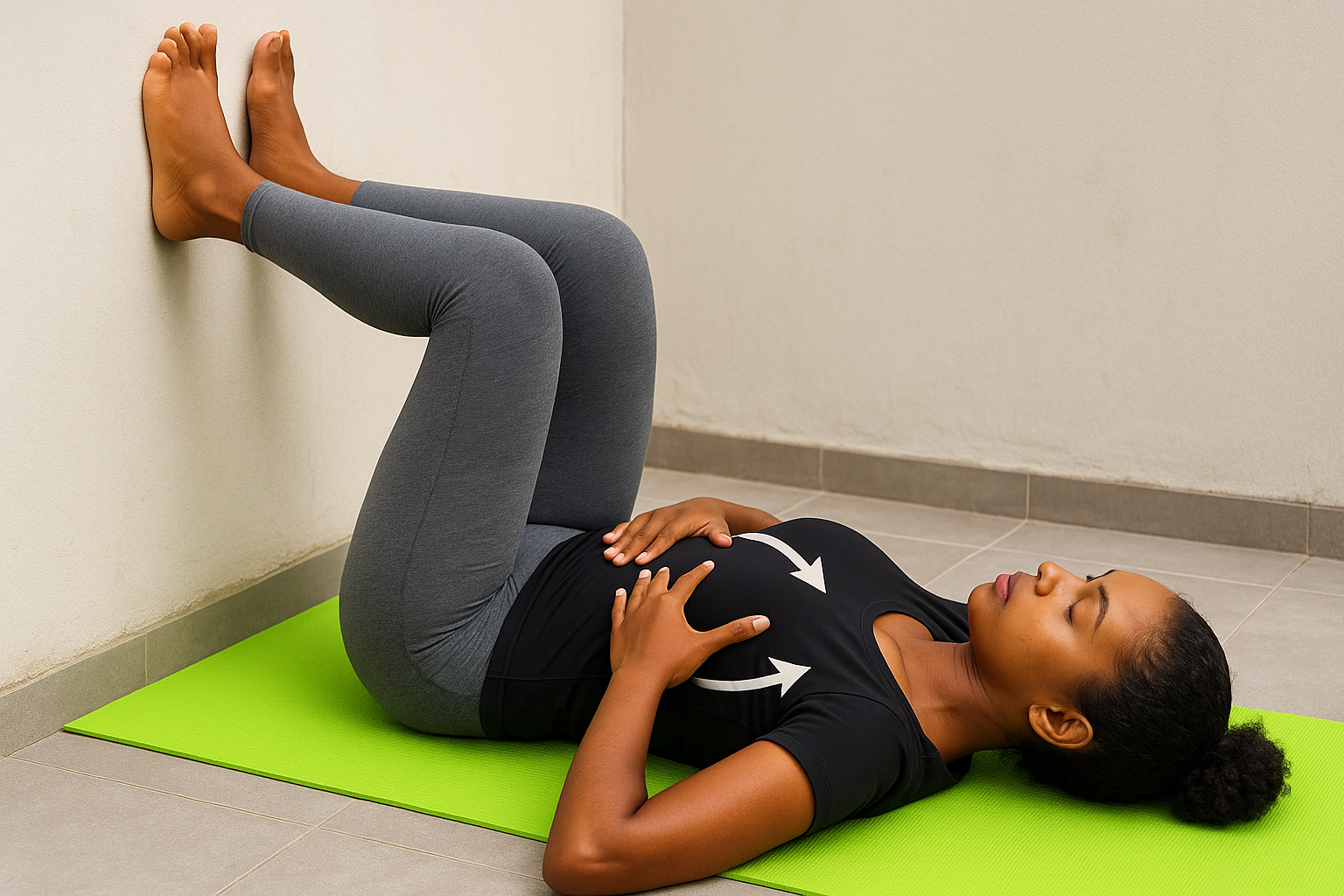


Youth athletes cut, jump, and land hundreds of times each week. When the trunk wobbles or the pelvis tilts at the wrong time, force leaks to the knees and ankles. As a result, building core stability early reduces overload on the lower limb while improving speed and balance.
What core stability really means
Core stability is coordinated control of the trunk and pelvis during movement, not just six-pack strength. In practice, think of three parts working together. First, position keeps ribs stacked over pelvis so force travels cleanly through the hips. Second, endurance holds alignment across reps and minutes. Finally, reflex control turns on the small muscles around the spine and hips at the right time.
For whole-body prep ideas, start with our Four Worlds Movement Framework.
How poor core control shows up in the lower limb
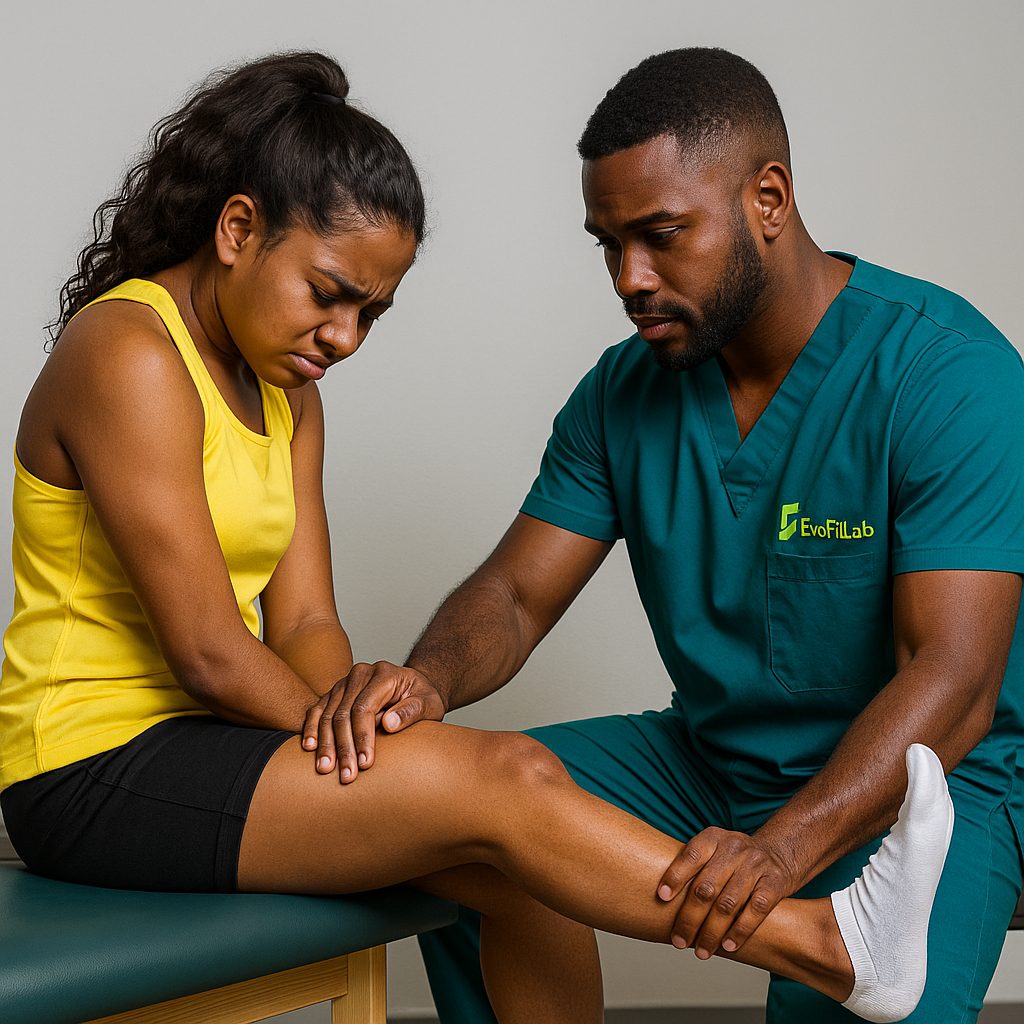
When trunk control lags, lower-limb patterns often give it away. For example, knee valgus or in-toeing appears on landings and single-leg tasks. Likewise, a hip drop shows up during running strides or step downs. Recurrent ankle rolls can follow when cutting at speed. In addition, athletes may post low jump height or slow change of direction despite solid leg strength.
Reinforce trunk steadiness that supports shoulder and hip patterns in Core Stability at EvoFitLab.
Simple screen for coaches
Use these field-friendly checks to guide training focus. If pain is present, refer to a clinician.
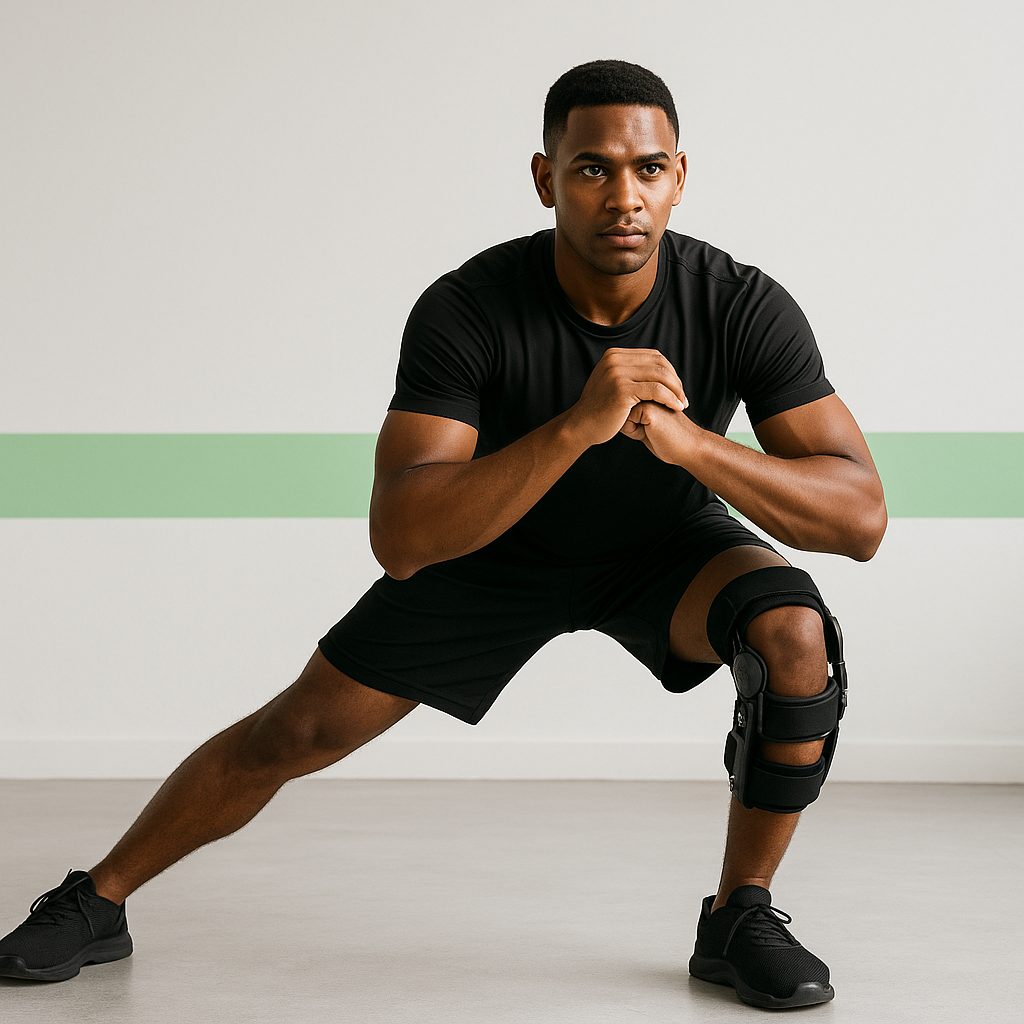
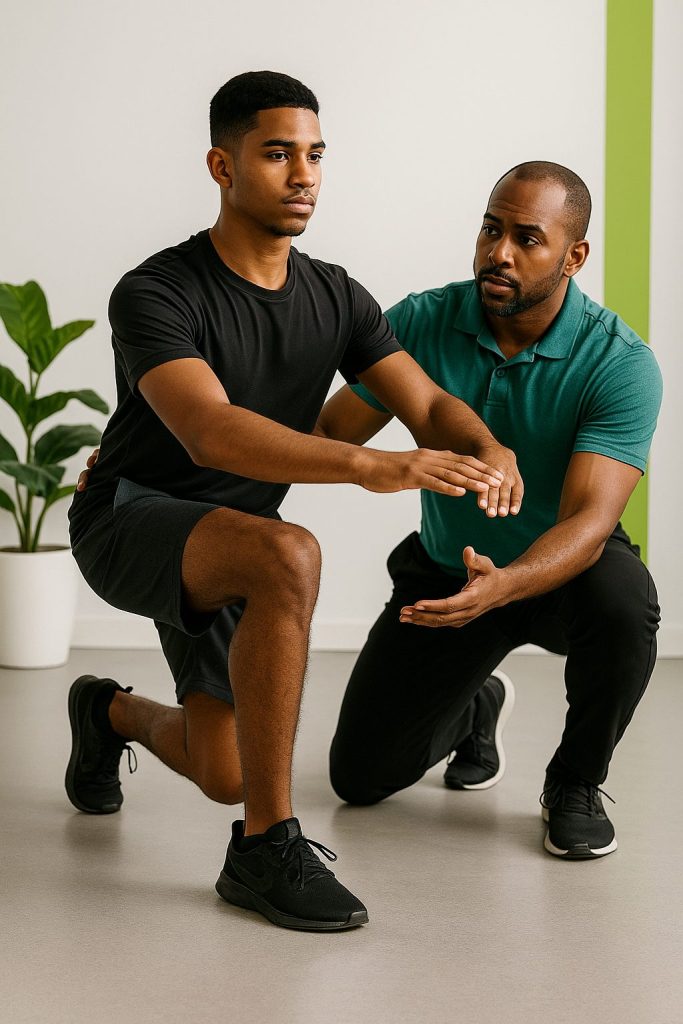
Single-Leg Squat
Observe whether the knee tracks over toes and the pelvis stays level for five slow reps per side.
Y-Balance or Star Excursion
Have athletes reach forward, sideways, and back without losing trunk control.
Drop Jump to Stick
Step off a low box, land softly, keep knees and hips aligned, and hold a quiet trunk.
Plank Triad
Rotate through front plank, side plank, and dead bug. Stop each set one rep before form breaks.
When athletes are ready for faster intent, layer ideas from our Rate of Force Development Training.
Training plan that actually moves the needle
Apply this three-step structure two or three days per week for youth teams.
Step 1: Organize the trunk
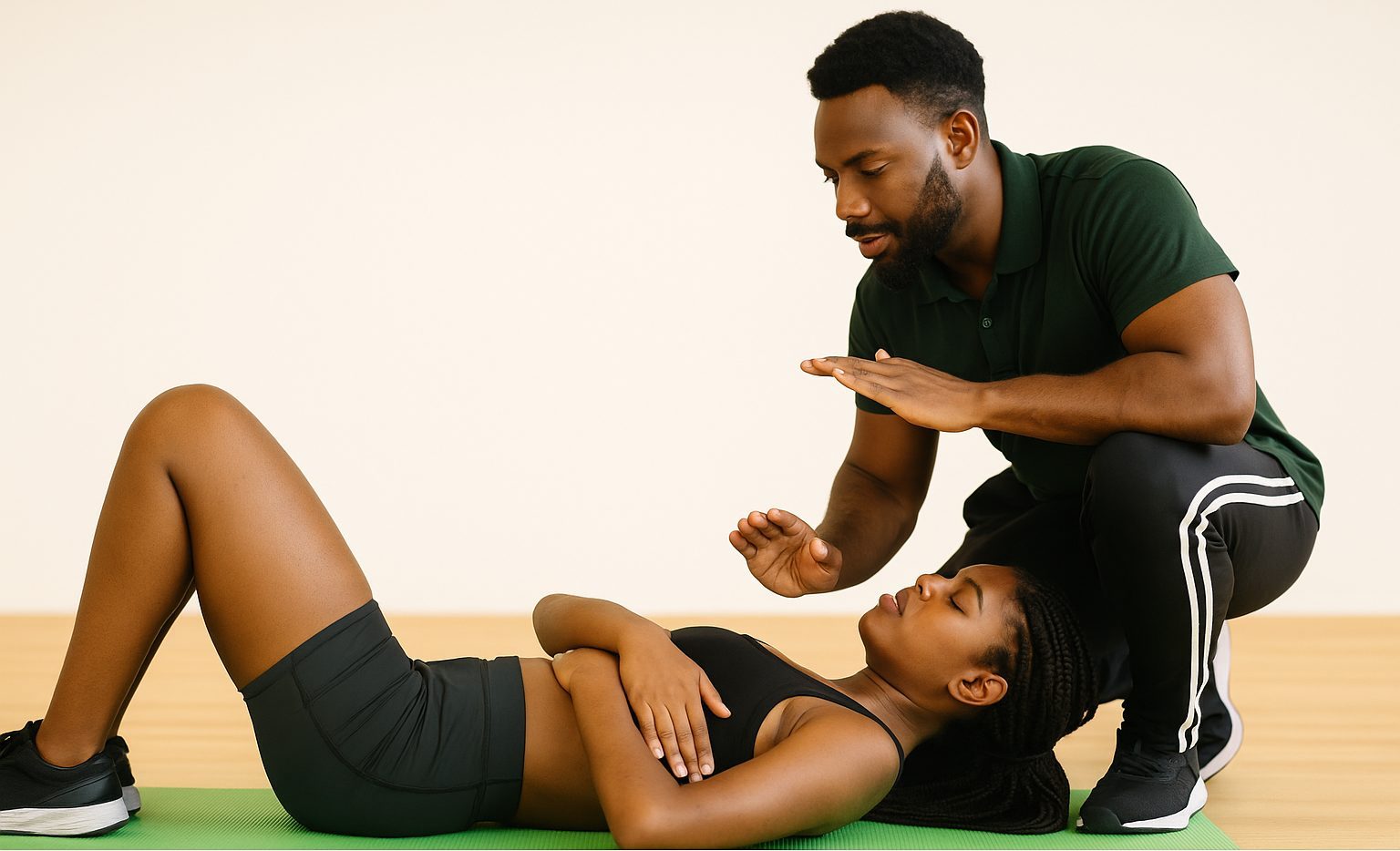
- Dead bug with slow exhales
- Side plank with top-leg abduction
- Tall-kneeling Pallof press
Step 2: Tie trunk to hips
- Hip airplane holds
- Split squat with two-second pauses
- Lateral band walks while keeping ribs stacked
Step 3: Land, cut, and sprint with control
- Low pogo hops to quiet stick landings
- Single-leg drop to stick plus quarter turn
- Ten to twenty meter accelerations with torso tall and shin angle set
Layer jump progressions safely using our Youth Plyometric Pyramid Trinidad.
Why this approach is evidence-friendly
Professional bodies endorse exercise-based prevention for youth sport and highlight neuromuscular training, landing control, and progressive loading as key ingredients. See the National Strength and Conditioning Association for youth recommendations and safety guidance, and search PubMed for summaries linking lumbopelvic control to knee mechanics during landing and cutting.
Outbound references: NSCA coaching resources (https://www.nsca.com) and PubMed research database (https://pubmed.ncbi.nlm.nih.gov/).
Coach checklist for games and practice
- Include one trunk primer and one landing drill in every warm-up.
- Additionally, cue athletes to keep ribs over pelvis in lifts and sprints.
- Progress volume gradually across weeks to avoid sudden spikes.
- Finally, film one drill weekly from the side and from the front to audit alignment.
Conclusion
Core stability is the quiet engine behind confident cutting, clean landings, and resilient knees and ankles. Screen quickly, train trunk-hip control consistently, and then build speed on top of quality positions.
Written by Gerard Nicholas, CSCS