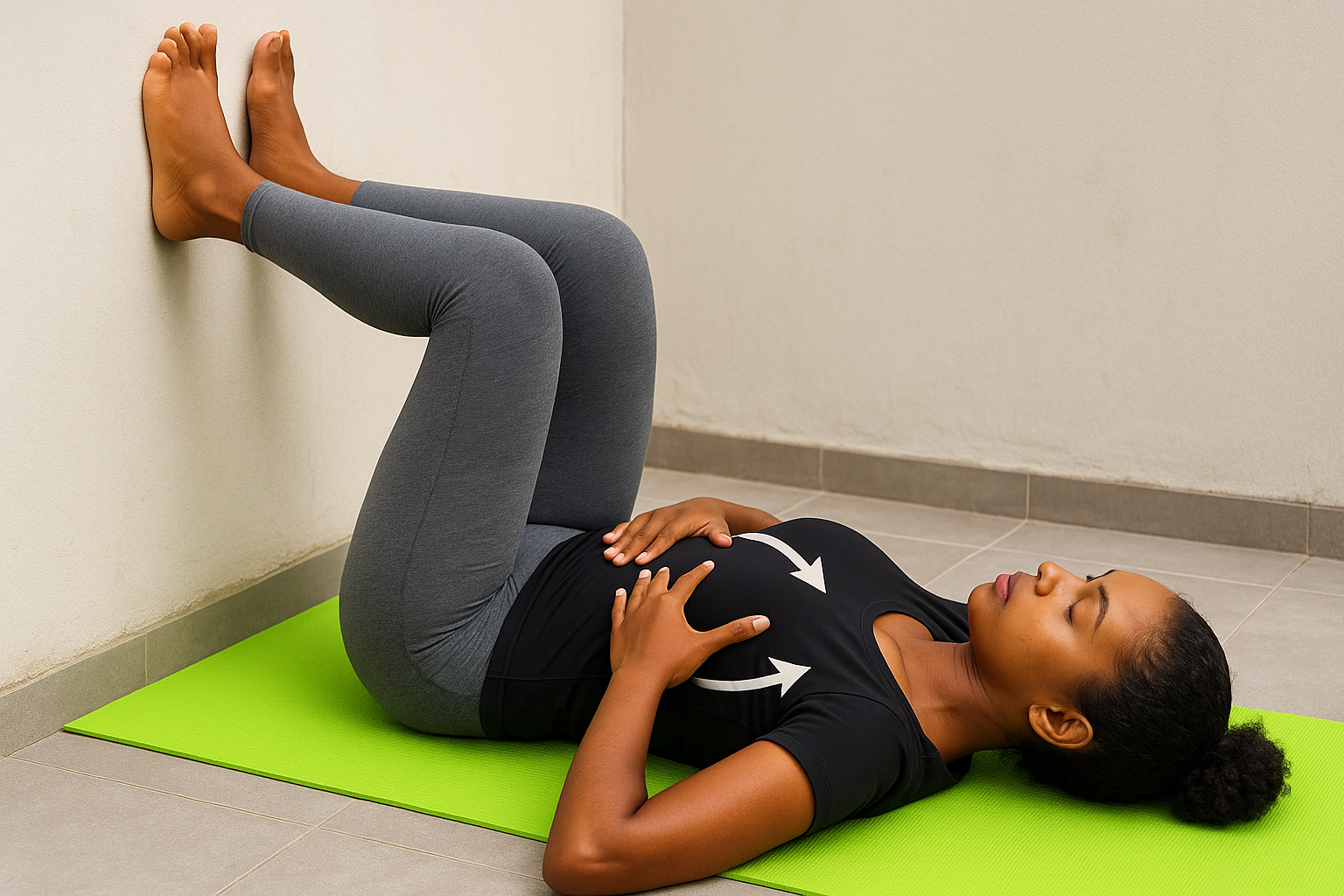


Throwing, serving, and swimming ask a lot from growing shoulders. A structured plan protects long-term performance by restoring control, building capacity, and returning athletes to overhead skills with confidence.
Why the shoulder needs special care
The shoulder trades stability for range of motion. The rotator cuff and scapular stabilizers keep the ball centered while the arm moves quickly. Overuse, rapid training spikes, or poor mechanics can irritate tendons and the joint capsule in teens who compete across seasons. For global movement prep ideas, start with our Four Worlds Movement Framework.
Common signs to watch for
- Night ache or pain with overhead reach
- Loss of throwing speed or accuracy
- Clicking, catching, or a sense of looseness
- Weakness with external rotation or scaption
Coach tip: Rotate positions across the season and track weekly throws, serves, or yardage to avoid sudden volume spikes.
Quick screen and red flags
Use a short screen to guide loading and decide if medical imaging is needed.
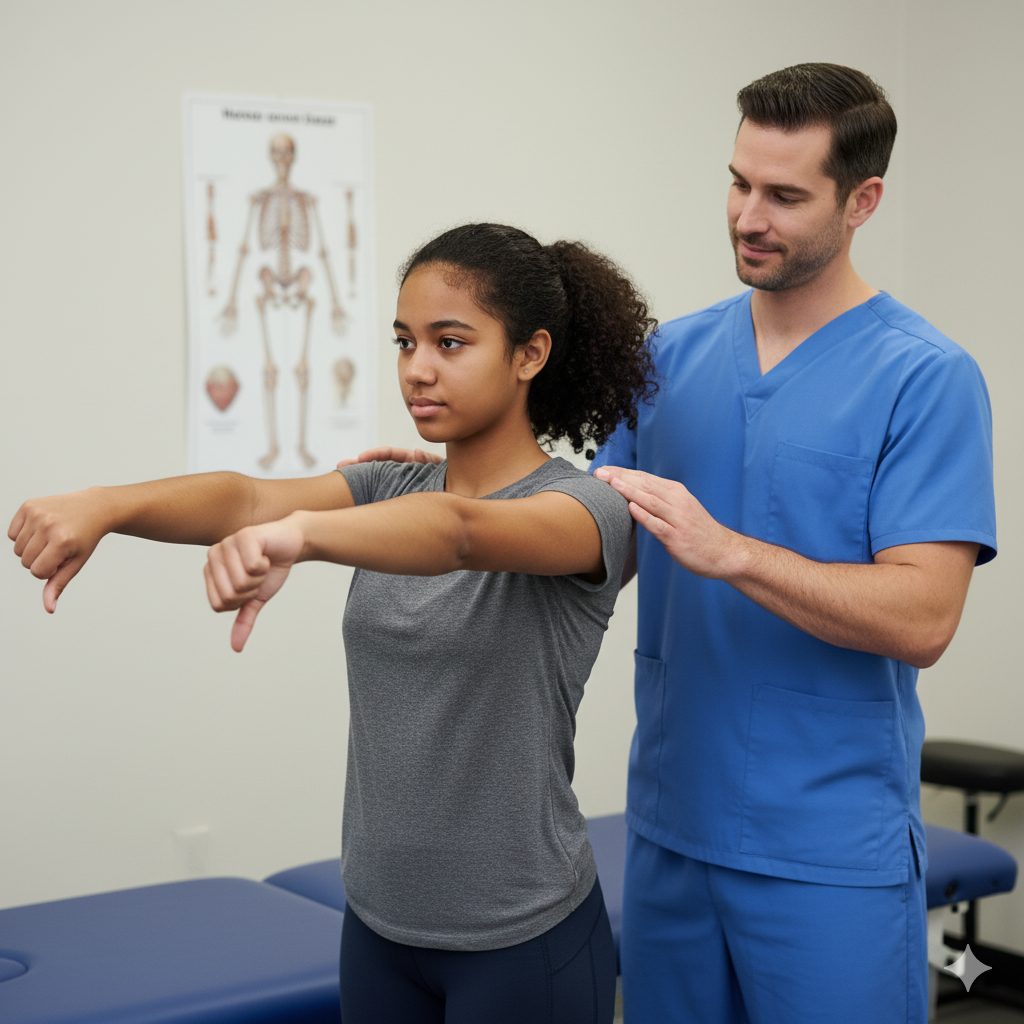
- Empty Can and resisted external rotation for pain or weakness
- Hawkins–Kennedy and Neer tests for impingement signs
- Scapular assistance or retraction tests to see if mechanics improve with cueing
Refer out urgently if trauma, true weakness, or night pain persists, or if there is a suspected dislocation.
For evidence digests on cuff pathology and impingement testing, see peer-reviewed summaries at PubMed and clinical resources at the APTA and NSCA websites: https://pubmed.ncbi.nlm.nih.gov/, https://www.apta.org/, https://www.nsca.com/.
12-Week Shoulder Prehab and Rehab Plan
Progress only when pain is trending down, range improves, and technique stays crisp.
| Phase | Weeks | Primary goals | Example work |
|---|---|---|---|
| 1. Settle and restore motion | 1–2 | Calm pain, gentle ROM | Ice 10–15 min, pendulums 2×30 s, stick-assisted flexion 2×10, wall slides 2×10 |
| 2. Activation and control | 3–4 | Cuff activation, scapular control | Isometric ER/IR 3×20–30 s, serratus slides 3×10, prone swimmer 2×8, posture resets hourly |
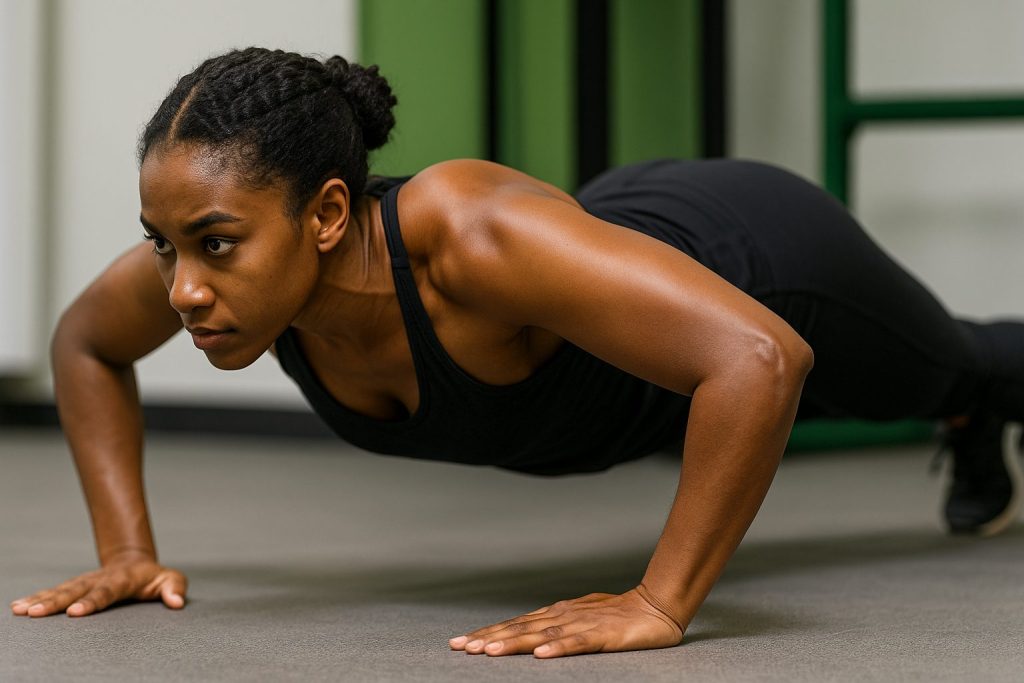
| 3. Strength foundation | 5–6 | Balanced strength without flare | Band ER/IR 3×12, scaption 3×10 light DB, wall push-ups 3×10, prone row + Y-T-W 2×8 |
| 4. Posture and dynamic stability | 7–8 | Link rib cage, scapula, arm | Push-up plus 3×8, half-kneeling cable press 3×10, landmine press 3×8, rhythmic stabilization 2×30 s |
| 5. Power prep and skill | 9–10 | Reactivity and sport patterns | Med-ball chest pass 3×6, wall throws 3×6, kneeling throws to standing progression, controlled overhead drill work |
| 6. Return to sport | 11–12 | Build tolerance to volume | Interval throwing or serving plan, stroke or sprint yardage build, plank walkouts 3×8, conditioning as needed |
Internal links to deepen learning: explore shoulder control from the trunk with Core Stability at EvoFitLab and browse related pieces in the EvoFitLab blog hub.
Technique cues that protect young shoulders
- Keep ribs stacked over pelvis to avoid flared chest and anterior shoulder strain
- Feel shoulder blade slide up and around during reach, then set back and down during pulls
- Train external rotation strength two or three times per week with light bands
- Stop sets one or two reps before form breaks
Return-to-sport checklist
- Pain free daily tasks and sleep
- Full active elevation and comfortable external rotation
- Symmetric scapular control on wall push-ups and prone Y-T-W
- Ability to complete interval throwing or serving session without next-day flare
For broader youth training guidance and safe progressions, the NSCA youth position resources and WHO physical activity guidelines offer useful context: https://www.nsca.com/ and https://www.who.int/health-topics/physical-activity.
Conclusion
A calm shoulder plus strong cuff and steady scapular control lets young athletes throw, serve, and swim with confidence. Use this Rotator Cuff Rehab for Youth Athletes plan for twelve weeks, then maintain two short sessions weekly to stay resilient.
Written by Gerard Nicholas, CSCS