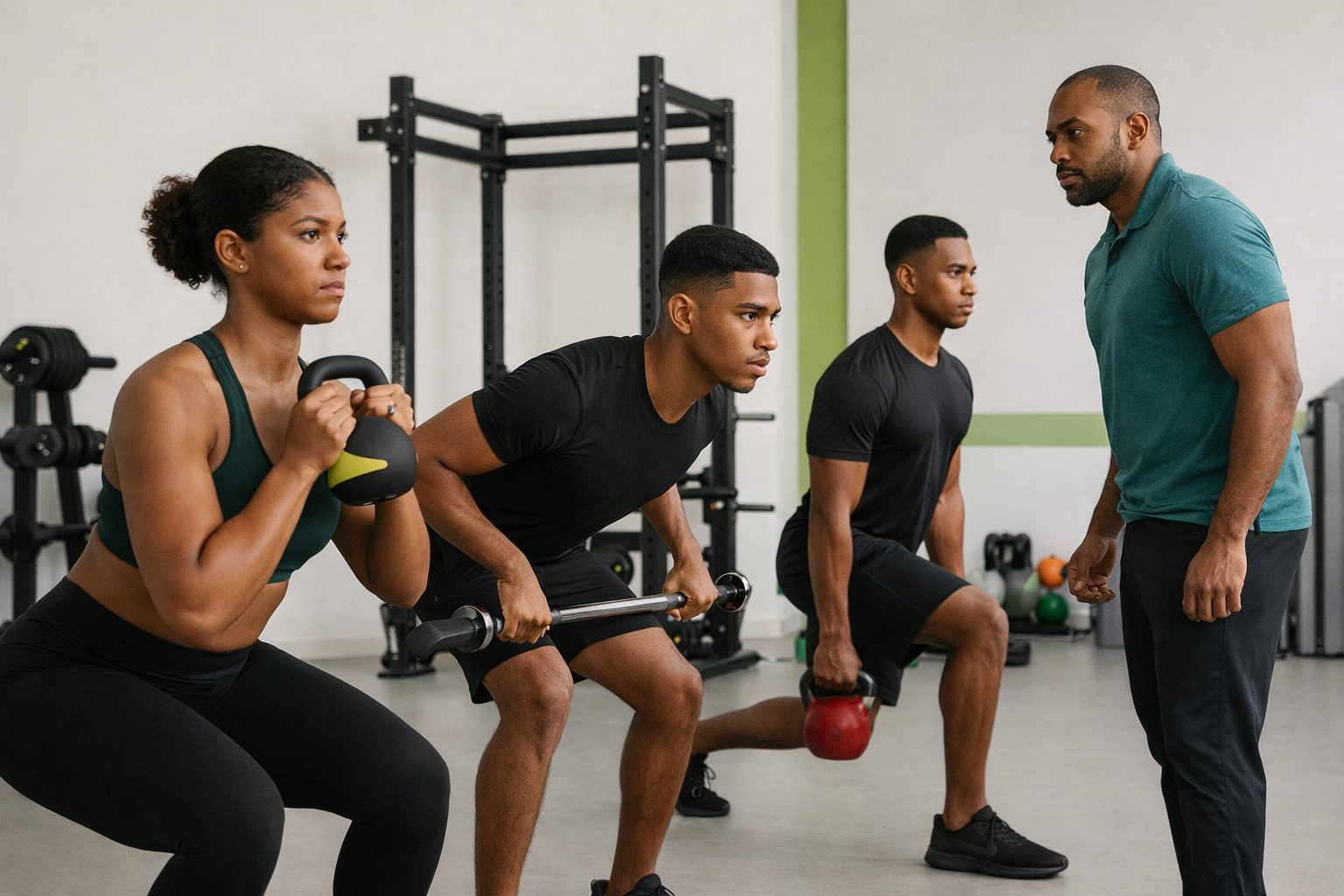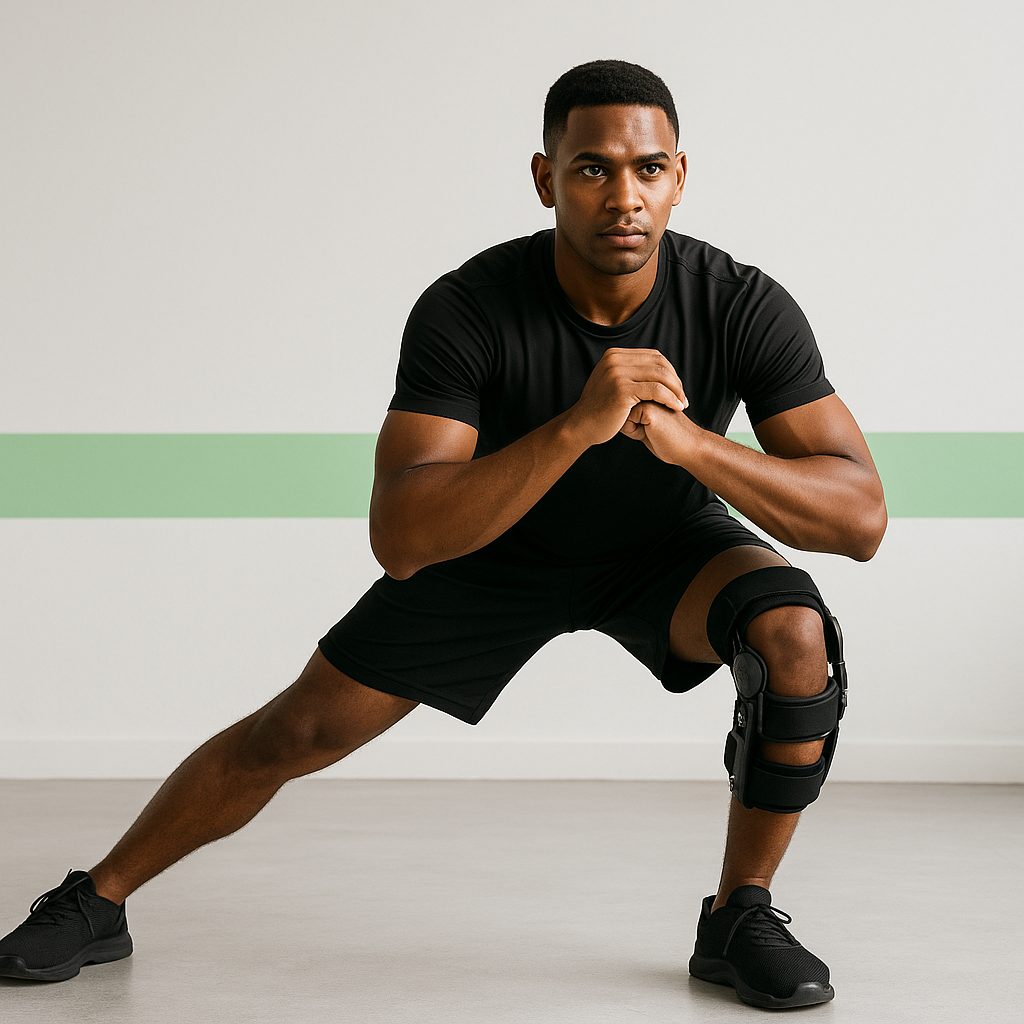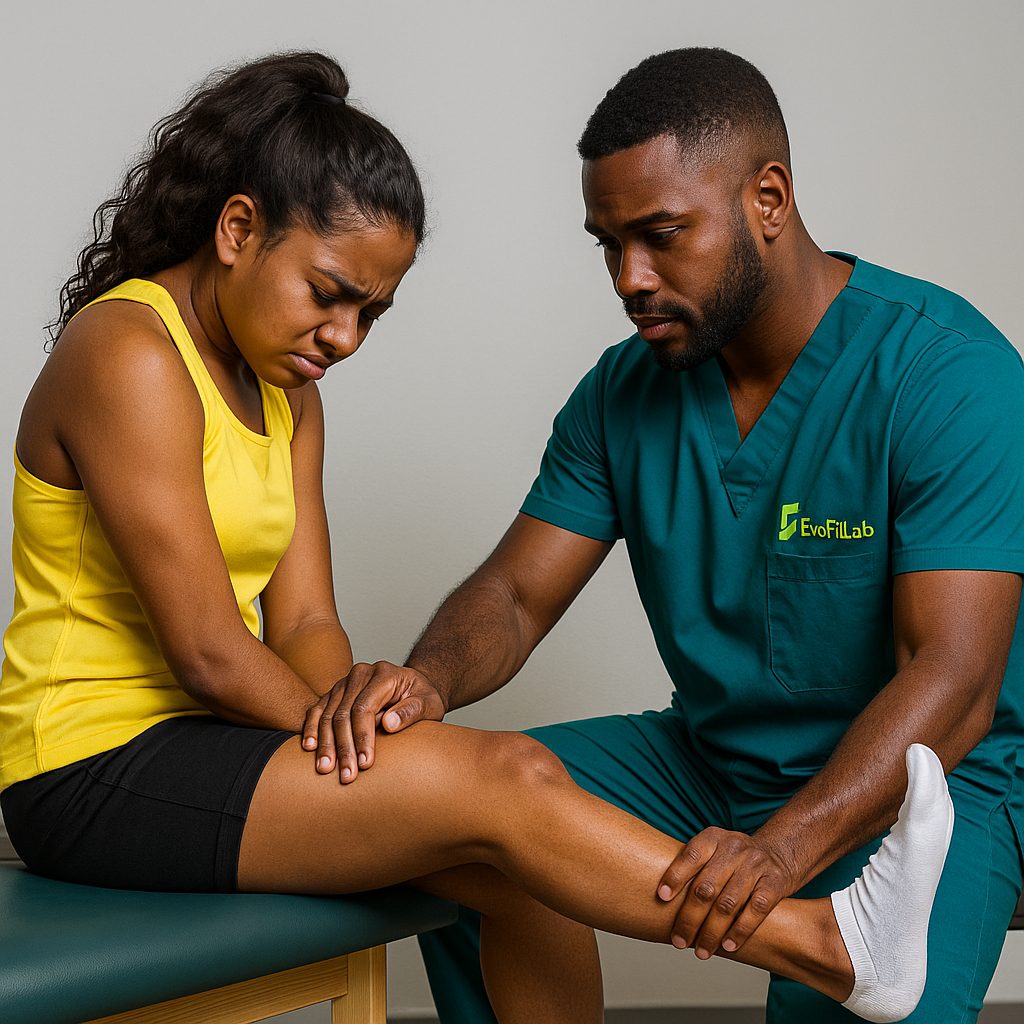

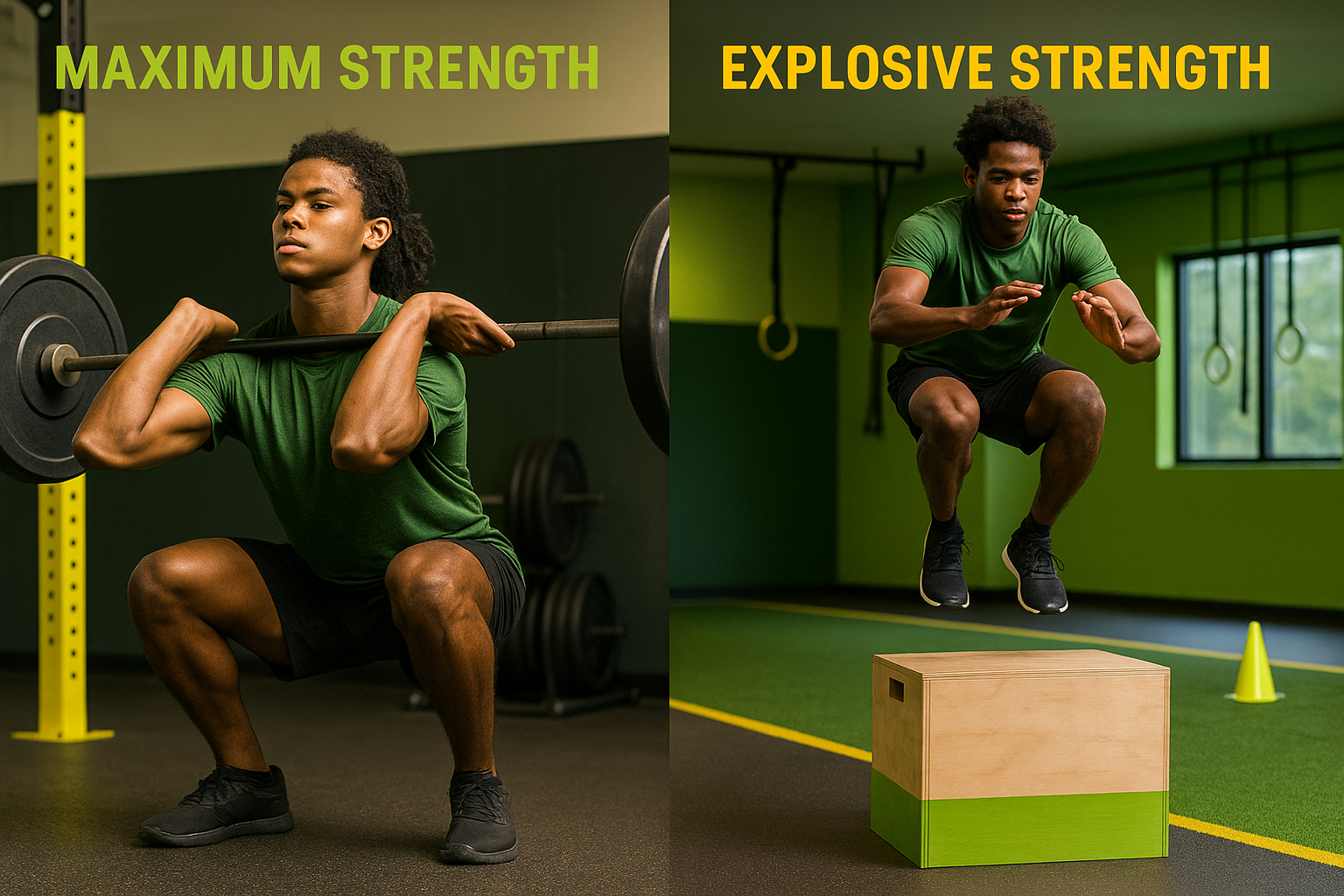
Building durable, lightning-fast young athletes means training two distinct qualities—maximum strength (how much force they can produce) and explosive strength (how fast they can produce it). Neglect either one and performance—and injury resilience—plateaus. uhhospitals.orgnsca.com
Why Train Both Strength Qualities?
- Injury shield: Stronger muscles and stiffer tendons cut lower-limb injury risk by up to 50 %. pmc.ncbi.nlm.nih.gov
- Sport carry-over: Higher rate-of-force development (RFD) predicts faster sprint starts and bigger jumps in teens. pmc.ncbi.nlm.nih.gov
- Long-term athlete development (LTAD): IOC guidelines stress balanced strength qualities through growth spurts. olympics.comstillmed.olympics.com
Maximum Strength in Youth
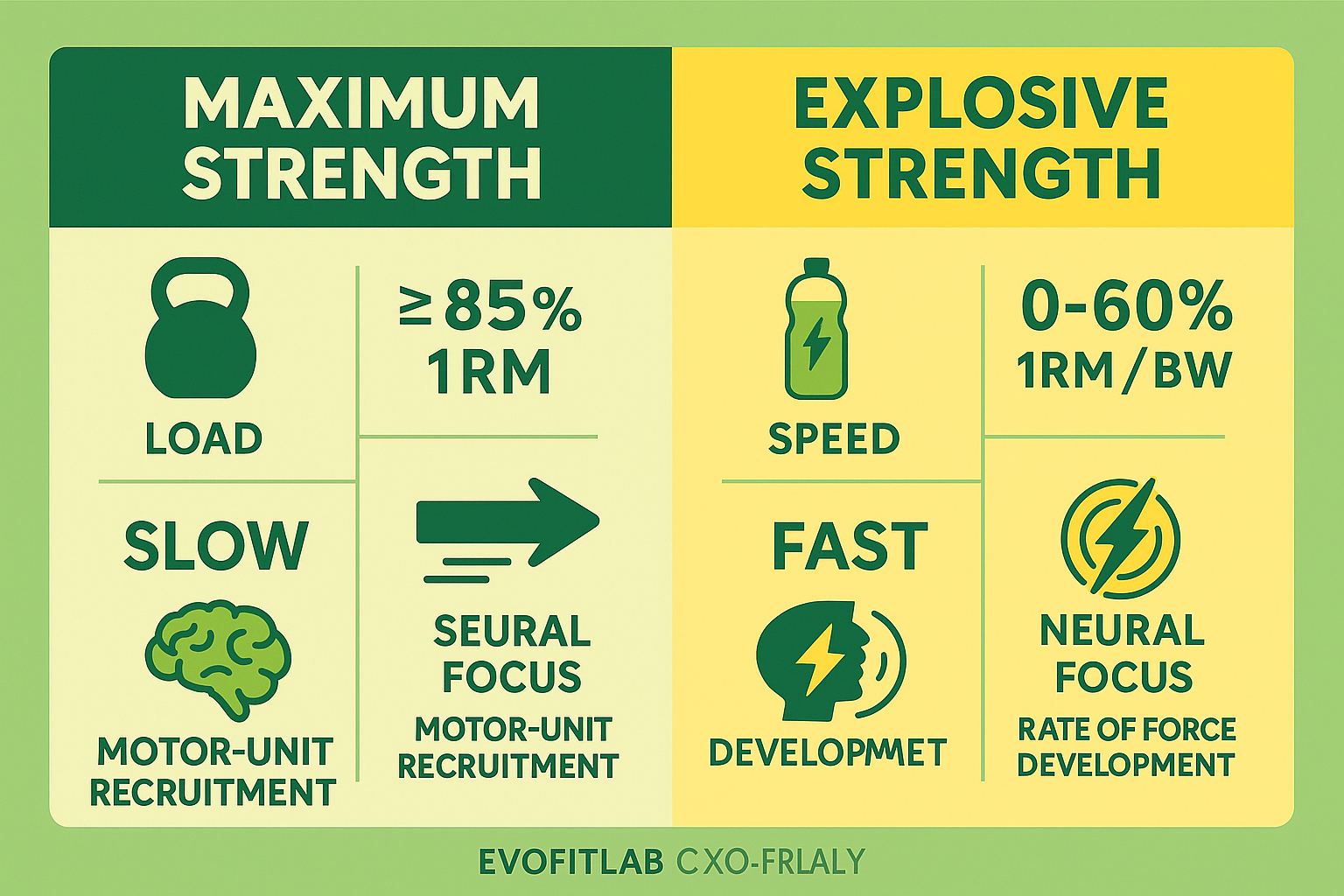
Definition: Peak force against a heavy load (≥ 85 % 1 RM).
Benefits: boosts tendon stiffness, foundational for later power work. nsca.com
Typical methods: 3 – 5 sets × 3 – 5 reps of squats, deadlifts, presses.
Explosive Strength in Youth (Youth Maximum vs Explosive Strength)
Definition: Peak force in < 250 ms—think broad jumps or medicine-ball throws. pmc.ncbi.nlm.nih.gov
Benefits: Direct transfer to sprinting, bowling and jumping. pubmed.ncbi.nlm.nih.govpubmed.ncbi.nlm.nih.gov
Typical methods: Olympic-lift derivatives, jumps, throws at 0 – 60 % 1 RM or body-weight.
Key Differences at a Glance
| Feature | Maximum Strength | Explosive Strength |
|---|---|---|
| Speed | Slow-controlled | Fast-ballistic |
| Load | 85 – 100 % 1 RM | 0 – 60 % 1 RM / BW |
| Neural focus | Motor-unit recruitment | Rate of force development |
| Sport link | Foundational capacity | Direct skill transfer |

More youth topics on the EvoFitLab Blog.
Age-Based Programming Guidelines
| Age | Primary Emphasis | Weekly Dose | Coaching Cues |
|---|---|---|---|
| 10 – 13 | Body-weight explosive games | 2 × 45 min | land softly, stick landings |
| 13 – 15 | Intro heavy lifts + plyos | 3 × 60 min | brace, full ROM |
| 16 – 18 | Periodised heavy & power | 4 – 5 × 75 min | intent = fast concentric |
Sample 6-Week Block
| Week | Day 1 – Maximum | Day 2 – Explosive |
|---|---|---|
| 1 | Goblet squat 3×8 | Jump squat 3×5 |
| 2 | DB deadlift 3×6 | Broad jump 3×4 |
| 3 | Front squat 4×5 | Box jump 3×5 |
| 4 | Trap-bar DL 4×4 | Bounding 3×10 m |
| 5 | Back squat 5×3 | Depth jump 3×4 |
| 6 | 3 RM test & review | Mobility + recovery |
Plyometric meta-analysis shows 60–120 total ground contacts per week optimise CMJ gains in adolescents. pubmed.ncbi.nlm.nih.gov
Practical Coaching Tips
- Load monitor: Track session RPE and growth-spurt rate; spikes during ≥ 8 cm/yr spurts raise injury risk. jscimedcentral.com
- Warm-up: FIFA 11+ Kids or similar neuromuscular routine twice weekly cuts injury rates up to 48 %. time.com
- Recovery: 5 ml kg⁻¹ water 2 h pre-session, then 200 – 300 ml every 15 min in heat. pubmed.ncbi.nlm.nih.gov
- Communication: Share training loads via simple Google Sheet with parents and S&C staff.
Download free monitoring sheets on the EvoFitLab homepage.
Conclusion & Call-to-Action
Balancing Youth Maximum vs Explosive Strength builds athletes who are not only powerful today but resilient for seasons ahead. Start your next six-week block, track loads, and watch your athletes leap ahead—literally.
Written by Gerard Nicholas, CSCS