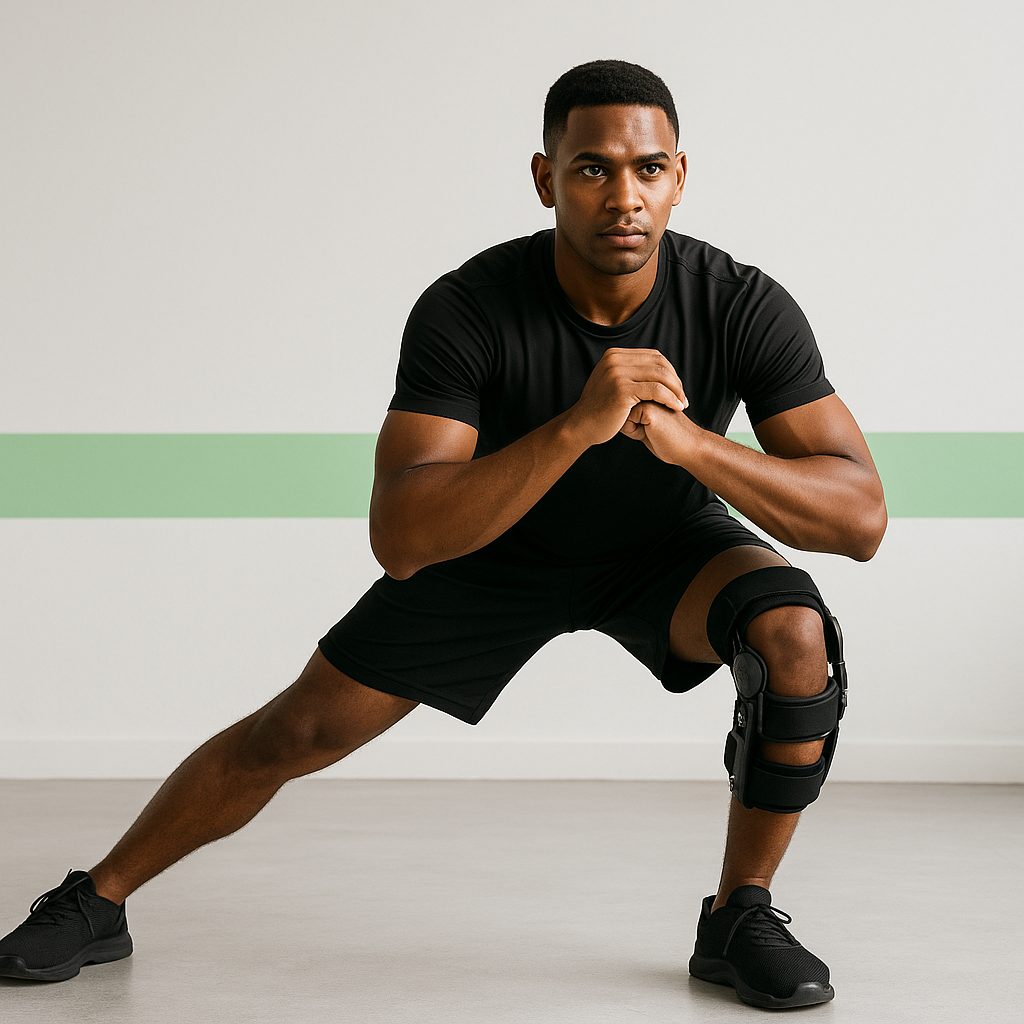


Helping young people become strong, resilient and motivated movers requires more than random drills—it demands a Youth Athlete Development Framework that grows with the athlete.
Why a Youth Athlete Development Framework Matters
The International Olympic Committee stresses that early, evidence-guided planning is key to “healthy, capable and resilient young athletes.” stillmed.olympics.compubmed.ncbi.nlm.nih.gov Too many programs still chase short-term wins, ignoring overuse-injury data that rises sharply when children specialize too soon. pmc.ncbi.nlm.nih.govpubmed.ncbi.nlm.nih.gov Our framework balances fun, skill acquisition and long-term performance so kids stay in sport—not burn out.
LTAD Stages at a Glance
| Age Band | Stage Name | Primary Objectives | Sample Metrics |
|---|---|---|---|
| 6–9 | FUNdamentals | Movement literacy, enjoyment | Hop-to-stick test, smile index |
| 10–12 | Learning to Train | Basic sport skills, games sense | 10 m sprint, push-up quality |
| 13–15 | Training to Train | Strength foundation, coordination | Counter-movement jump, Yo-Yo IR1 |
| 16–18 | Training to Compete | Sport-specific power, leadership | Peak velocity, RPE compliance |
IOC consensus papers recommend these progressive phases to avoid talent-selection bias and support late bloomers. bjsm.bmj.com

Strength & Conditioning Blueprint
A periodised plan keeps growth plates safe while still driving adaptation. The NSCA position stand notes that well-supervised resistance training is “relatively safe for youth and improves sport performance.” nsca.compubmed.ncbi.nlm.nih.gov
Off-Season
- Strength foundation: Goblet squats, sled pushes, pull-ups
- Motor skill rehab: Land, roll, crawl patterns (see EvoFitLab Four Worlds Movement Framework)
Pre-Season
- Energy-system focus: 4×4 min tempo runs, resisted sprints
- Eccentric control: Nordic hamstring curls, depth drops
In-Season
- Maintenance micro-doses (15 min): 3×5 power cleans, band Pallof presses
- Recovery: Mobility flows, sleep audits
Sport-Specific Hooks
- Football/Rugby: FIFA 11+ Kids for 30 % fewer injuries inside.fifa.com
- Cricket: Shoulder Y-T-W circuits, decel drop-lunges
- Swimming: Dry-land scap pulls, hip bridges
- Track & Field: Posterior-chain RDLs, wicket runs
Smart Nutrition & Hydration
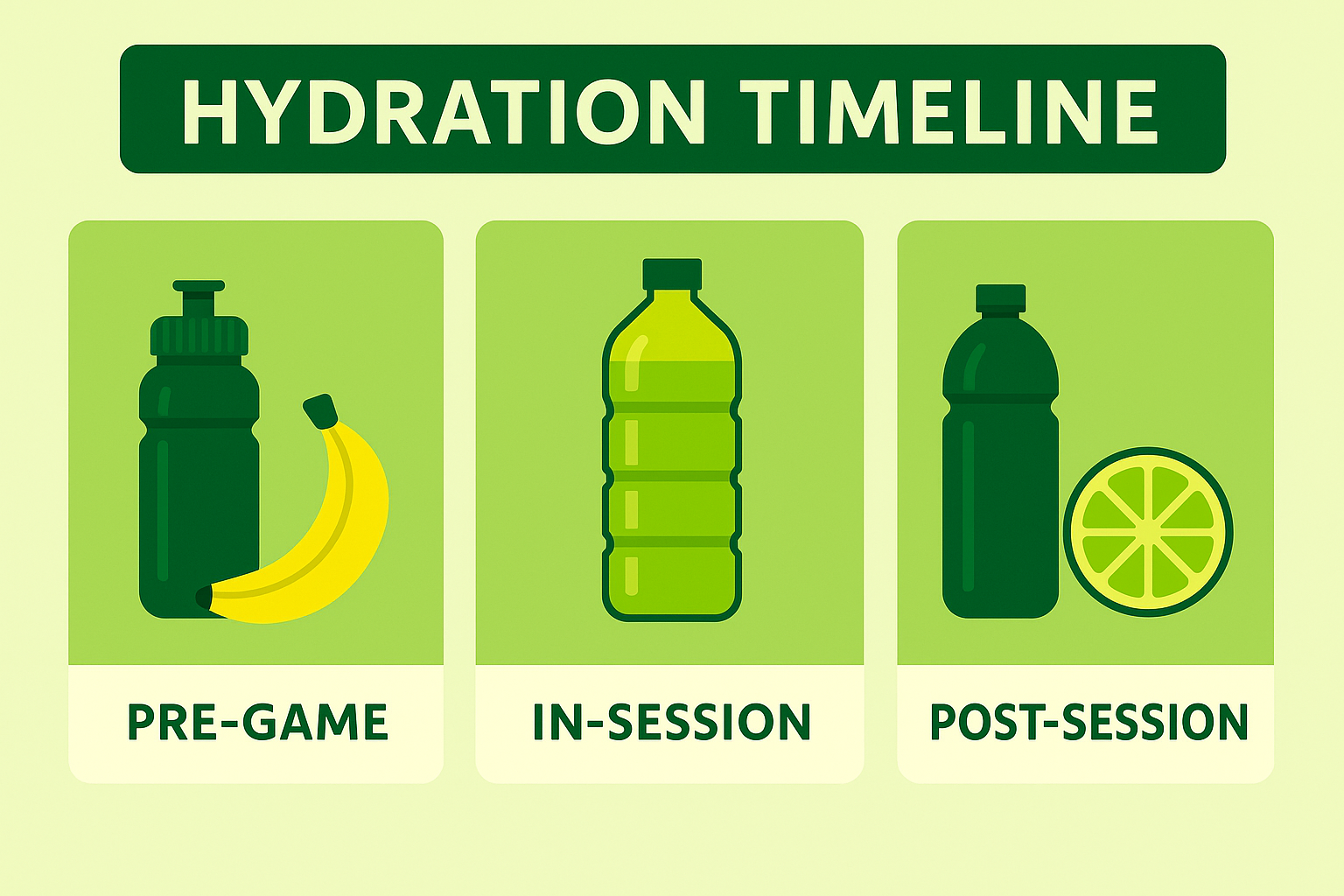
Youth athletes should drink 200–300 ml every 10–20 min in training, aiming for < 2 % body-mass loss pmc.ncbi.nlm.nih.govpubmed.ncbi.nlm.nih.gov. Encourage:
- Balanced meals: 50 % colourful carbs, 25 % lean protein, 25 % healthy fats
- Timing: Pre-session snack 2 h before; 20 g protein + carbs within 30 min after
- Recovery picks: Smoothies with yogurt and banana, chocolate milk, peanut-butter sandwich
Mental & Social Growth
A growth-mindset lens boosts resilience and motivation in young athletes frontiersin.orgfrontiersin.org. Coaches can:
- Praise effort, not just outcomes.
- Rotate leadership roles to build autonomy frontiersin.org.
- Use self-reflection journals after matches.
- Run “conflict-resolution games” monthly to sharpen communication skills.
Life-skill wins: teamwork, discipline, optimism—all linked to lower burnout risk frontiersin.org.
Coaching Best Practices
Do
- Promote multi-sport participation until at least 14 y to reduce overuse injury odds pmc.ncbi.nlm.nih.gov.
- Assess movement benchmarks quarterly.
- Educate parents on rest and growth-spurt monitoring.
Don’t
- Specialise before puberty.
- Let competition schedules override recovery.
- Treat every athlete the same—adapt loads to maturation status.
Conclusion & Next Steps
Adopting this Youth Athlete Development Framework keeps sport joyful today while preparing bodies and minds for the demands of tomorrow. Share the guide with your coaching staff and start auditing your programme this week.
Written by Gerard Nicholas, CSCS