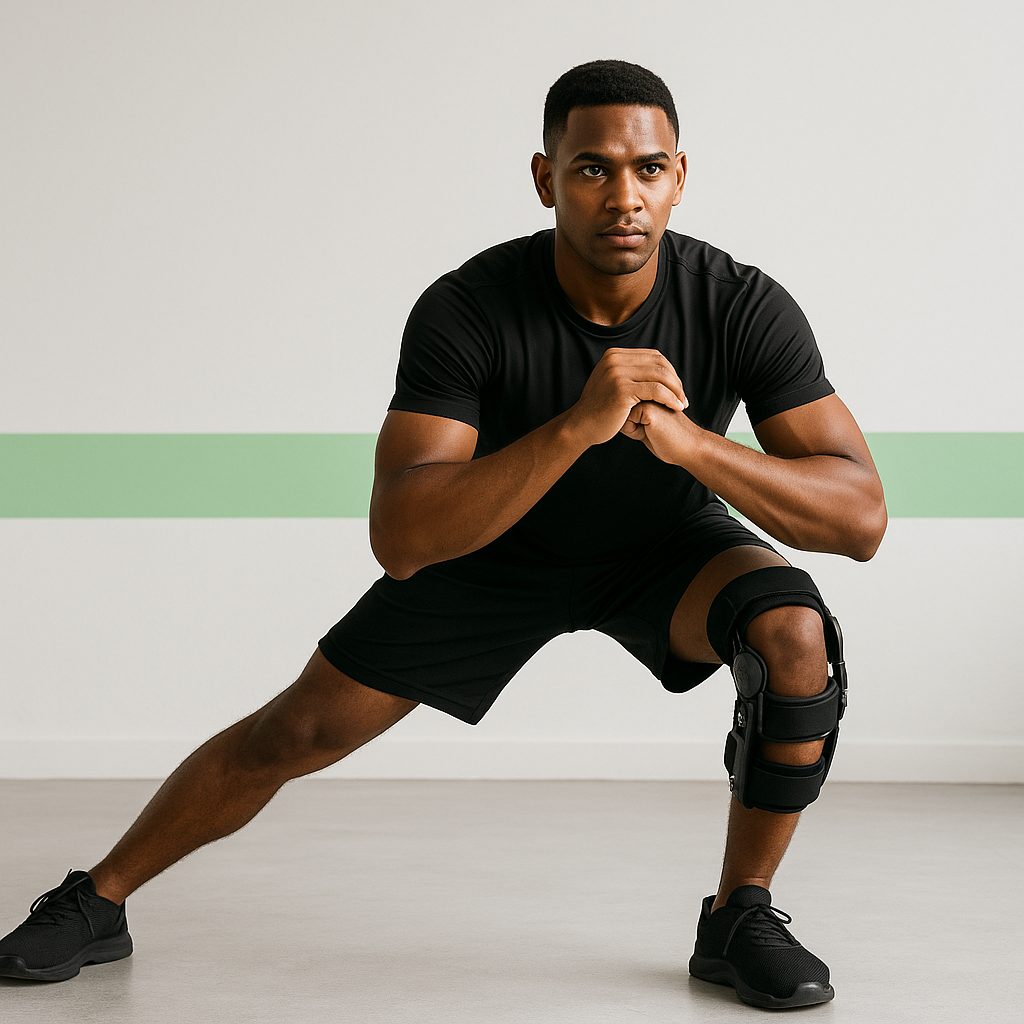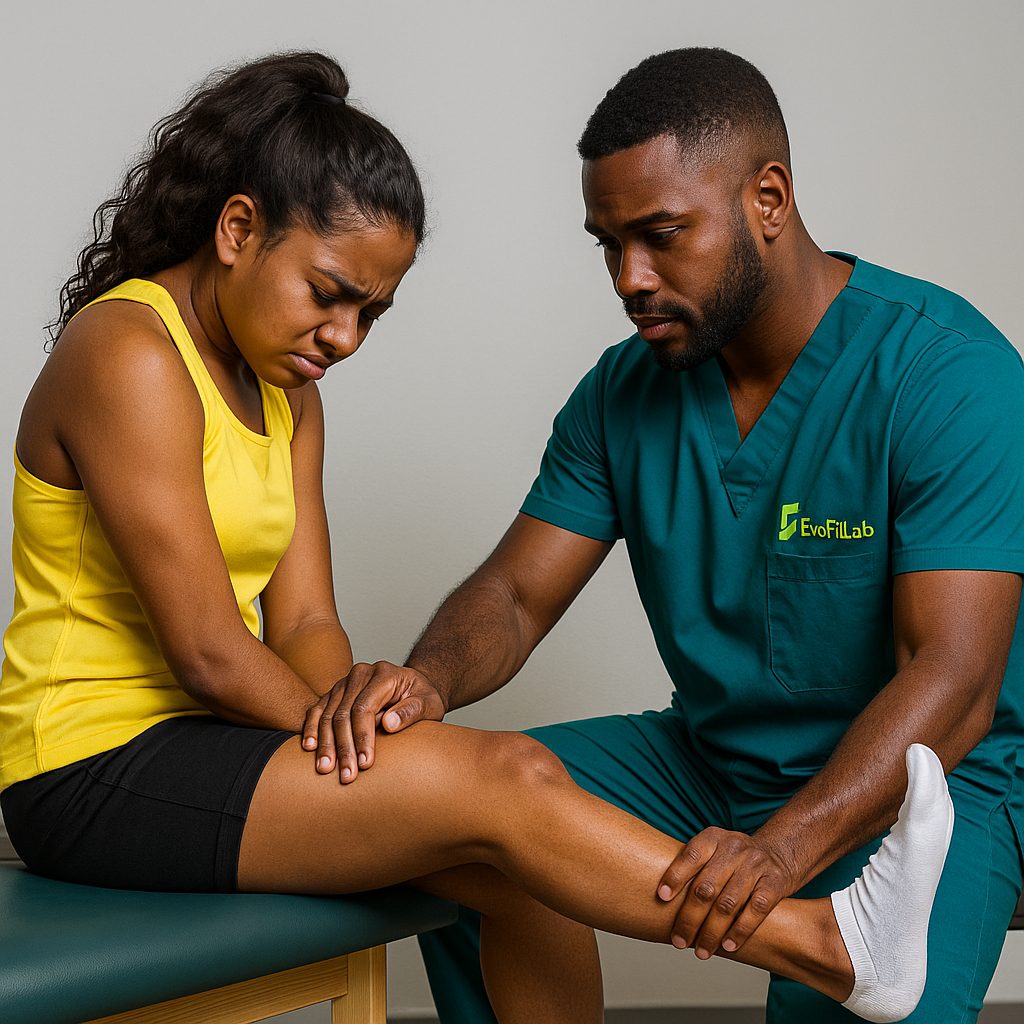


Youth Athlete Development Framework for Trinidad & Tobago
A robust youth athlete development framework provides coaches and fitness professionals with a clear roadmap—from FUNdamentals through Train to Compete—that ensures age-appropriate progression, injury prevention, and long-term athletic success. This framework integrates LTAD stages aligned with Sport for Life’s guidelines, periodized strength & conditioning, nutrition, mental skills, and practical coaching tips.
TL;DR
- LTAD Stages (6–18 yrs): FUNdamentals → Learning to Train → Train to Train → Train to Compete
- Periodized S&C: Off-Season, Pre-Season, In-Season & Transition phases with mobility, core, speed, agility, and functional strength
- Nutrition & Hydration: Balanced meals, timing strategies, recovery snacks, and electrolyte guidelines
- Mental & Social Skills: Growth mindset, team-building, leadership & life skills through sport
- Practical Tips: Encourage multi-sport play, assess often, involve parents, and keep it fun
1. LTAD Age-Group Framework
| Stage | Age | Focus | Example Activities |
|---|---|---|---|
| FUNdamentals | 6–9 | Agility, balance, coordination & fun | Play-based games, animal crawls, mini-circuits |
| Learning to Train | 10–12 | Skill mechanics & movement literacy | Medicine-ball throws, ladder drills, journaling |
| Train to Train | 13–15 | Periodized S&C, strength & power building | Resistance exercises (8–12 reps), plyometrics |
| Train to Compete | 16–18 | Sport-specific skills, tactics & leadership | Advanced plyos, energy-system work, peer mentoring |

2. Periodized Strength & Conditioning
Break the calendar into four phases to optimize development and recovery:
| Phase | Duration | Goals | Key Metrics |
|---|---|---|---|
| Off-Season | 6–8 weeks | Strength base, motor skills | FMS, ROM, RPE |
| Pre-Season | 8–12 weeks | Sport-specific capacity & power | Vertical jump, YoYo IR1 |
| In-Season | Varies | Maintain fitness & skills | sRPE, GPS load |
| Transition | 2–4 weeks | Active rest & mental reset | Wellness survey |
Training Components:
- Mobility & Flexibility: Daily dynamic/static stretches
- Core Stability: Planks, anti-rotation drills
- Speed & Agility: Ladder, cone drills, resisted sprints
- Functional Strength: Sport-specific lifts & jumps
3. Nutrition & Hydration
Educate athletes and parents on fueling for growth and performance:
- Balanced Meals: ½ fruits/veg, ¼ protein, ¼ grains + healthy fats
- Timing: 2–3 h pre-activity, snack within 30 min post-training
- Hydration: Water throughout day + electrolytes for intense/hot sessions
- Recovery Snacks: Protein smoothies, yogurt & granola, peanut-butter sandwiches
4. Mental & Social Development
Build resilient, well-rounded athletes:
- Growth Mindset: Praise effort 3:1 over outcomes
- Goal-Setting: SMART goals & self-reflection journals
- Team Culture: Inclusive drills, community projects
- Leadership Rotation: Athlete captains, peer mentoring
- Conflict Resolution: Role-play scenarios
5. Sport-Specific Emphasis
Tailor drills to each sport’s demands and injury risks:
- Cricket: Shoulder prehab & rotational core
- Football: Nordic hamstring protocol & heat breaks
- Basketball: Landing mechanics & ankle prep
- Track & Field: Sprint mechanics & plyometrics
- Swimming: Shoulder/thoracic mobility & dryland work
- Tennis/Golf: Rotational strength & grip endurance
- Netball/Volleyball: ACL prevention & jump training

6. Practical Coaching Tips
- Do:
- Promote multi-sport participation until ≥15 yrs
- Vary training environments (track, pool, gym)
- Educate parents on rest & recovery importance
- Regularly assess physical literacy
- Don’t:
- Specialize too early
- Overload competition schedule
- Neglect fun and enjoyment
Ready to Elevate Your Youth Programs?
Implement this comprehensive framework and foster strong, resilient, and well-rounded athletes across all sports in Trinidad & Tobago.